Don’t touch this fluffy NC insect — it’s ‘painfully venomous.’ What to know
AI-generated summary reviewed by our newsroom.
- Puss caterpillars are “adorable” insects that are one of the most venomous in NC.
- Stings from the creatures can cause pain, swelling, nausea and other symptoms.
- To stay safe, avoid puss caterpillars and wear long clothing for yard work.
A North Carolina creature is “adorable” — but don’t be fooled by its fluffy appearance.
Southern flannel moths, also called puss caterpillars, can cause people to endure swelling, nausea and hours of soreness. In the Triangle, a visitor stung by one of the insects at Falls Lake said he faced “the worst pain he’d ever experienced,” The News & Observer reported in 2018.
“They are one of the more venomous insects in the state and are painfully venomous,” Matt Bertone, director and entomologist at the Plant Disease and Insect Clinic at N.C. State University, told The N&O in a Wednesday, March 25 email. “But barring an allergic reaction, stings are not going to cause any serious issues.”
Though puss caterpillar stings are rare, the creatures can come around in the spring. Here’s what to know about where you may encounter one and how to avoid them.
What do puss caterpillars look like?
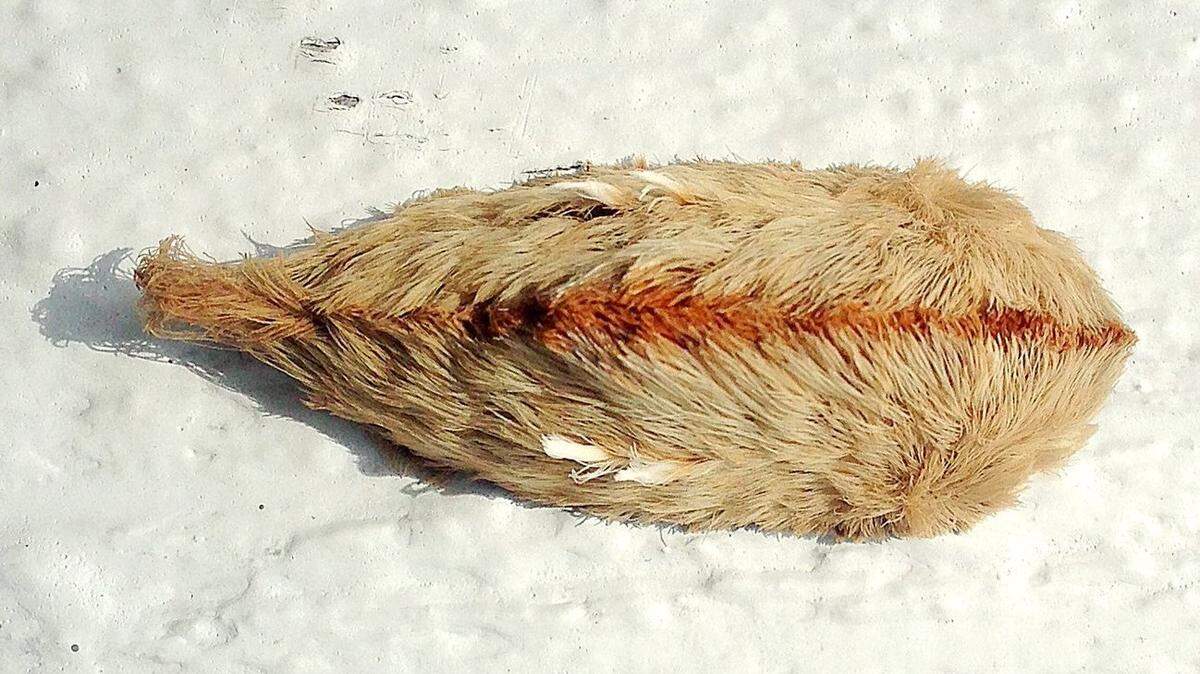
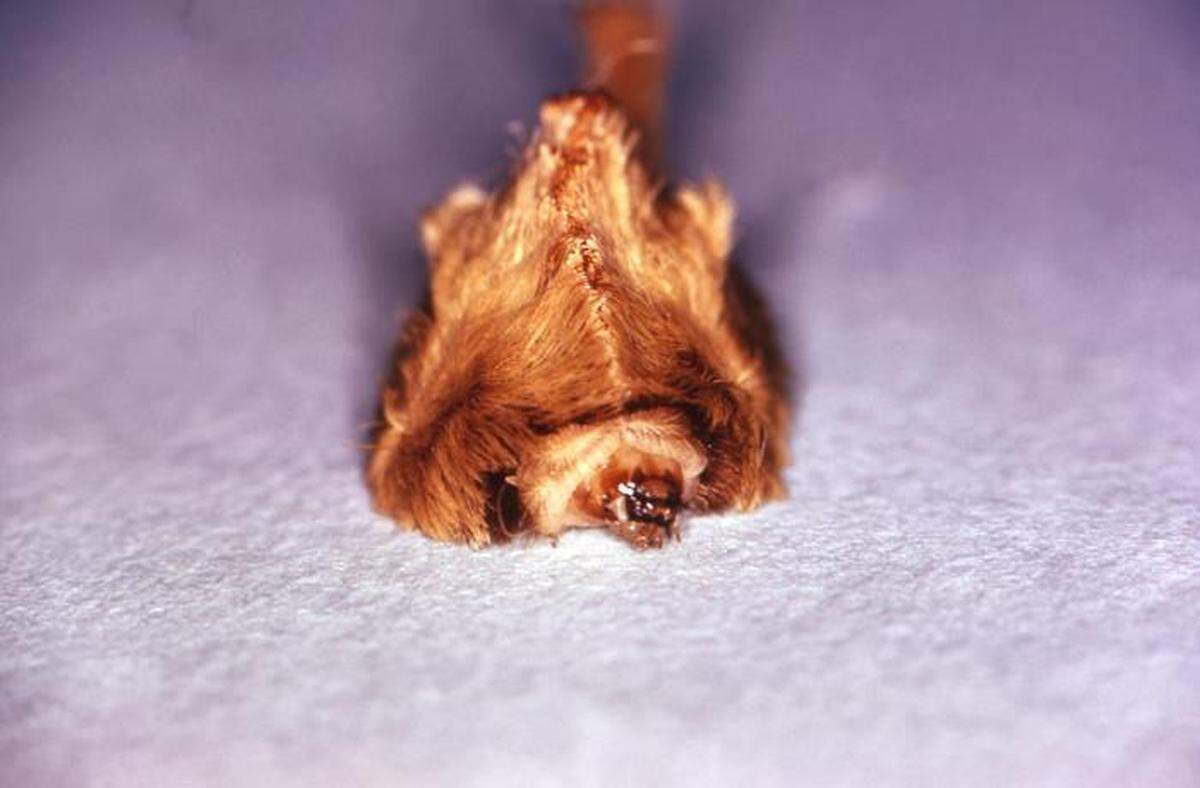
Puss caterpillars are known for their “adorable” and “fuzzy” appearance.
“They look like toupees,” Eric LoPresti, an assistant professor of ecology at the University of South Carolina, previously told The Charlotte Observer.
In fact, the creatures’ hairy appearance influenced their name. They are called puss caterpillars because their bodies look like the fur of pussycats, the N.C. State Extension wrote on its website.
The insects have “long, dense, gray to tan hairs, with a blunt anterior end,” making them resemble mice. They often have “rusty-red” crests down their backs and “short, toxic spines” on their bodies, according to the N.C. State Parks.
Where do puss caterpillars live?
In North Carolina, you’re most likely to see a Southern flannel moth in the Piedmont region or near the coast. The insects often live in trees and forests, LoPresti previously told The Observer.
“Flannel moths typically feed on elms, maples, hackberries, hollies, oaks and sycamores, according to the NC State Extension, so people who have these plants around their properties are more likely to encounter these caterpillars,” The Observer reported.
Bertone said caterpillars spend the winter in cocoons. Then, they finish developing and emerge in the spring.
“The timing of insect activity each year is hard to predict, due to variation in the weather that affects them, but in general the caterpillars of flannel moths are first seen around May,” he wrote. “However, their peak of activity is during the second generation, and these caterpillars are commonly seen in the fall around October.”
How to stay safe
If you see a puss caterpillar, it’s best to steer clear.
“They can’t jump or shoot venom at people, nor are they fast, so there is no danger in just observing them,” Bertone wrote. “However, most encounters happen when people accidentally brush up against them or touch them, causing the caterpillars to sting using modified hairs.”
People may encounter the creatures while pruning plants or doing other yard work. So to help protect yourself from stings, LoPresti recommends wearing pants or long-sleeved shirts during those activities, The Observer reported.
What happens if you get stung?
If a puss caterpillar stings you, expect to feel an “initial burning sensation, commonly followed by numbness.” You may be in pain for several hours, though it could be less intense after the first hour. Swelling can last for days, according to state park officials and other experts.
“Other symptoms aside from pain, stinging, and swelling are nausea, headache, fever, itching, abdominal distress, chest pain, difficulty breathing, numbness, vision problems,” the extension wrote.
People are urged to seek emergency care if they have more serious reactions, The Observer reported. Here are some tips to treat pain from the Merck Manual, a medical textbook:
- Wash the area and dry it with a hair dryer set to low power.
- Put tape over your skin and peel it off to remove the insect’s hairs.
- Apply rubbing alcohol, calamine lotion or a baking soda paste.
- Ice the area.
Luckily, it’s unlikely that a puss caterpillar will sting you.
“They’re not something you’re going to encounter on a daily basis in a normal year,” LoPresti told The Observer. “It’s good for people to know that these exist, but it’s also not something for people to worry about.”
Portions of this story were previously published in The Charlotte Observer.