Marine Corps warns public to stay away from Browns Island ahead of holiday weekend
AI-generated summary reviewed by our newsroom.
- The Marine Corps warns that Browns Island and nearby waters are strictly off-limits.
- The island contains 500-pound bombs and 25- and 40-millimeter munitions.
- Violating restrictions can result in up to a $5,000 fine, six months in jail, or both.
The U.S. Marine Corps is reminding visitors ahead of the Memorial Day holiday weekend that Browns Island and nearby waters remain “strictly off-limits.”
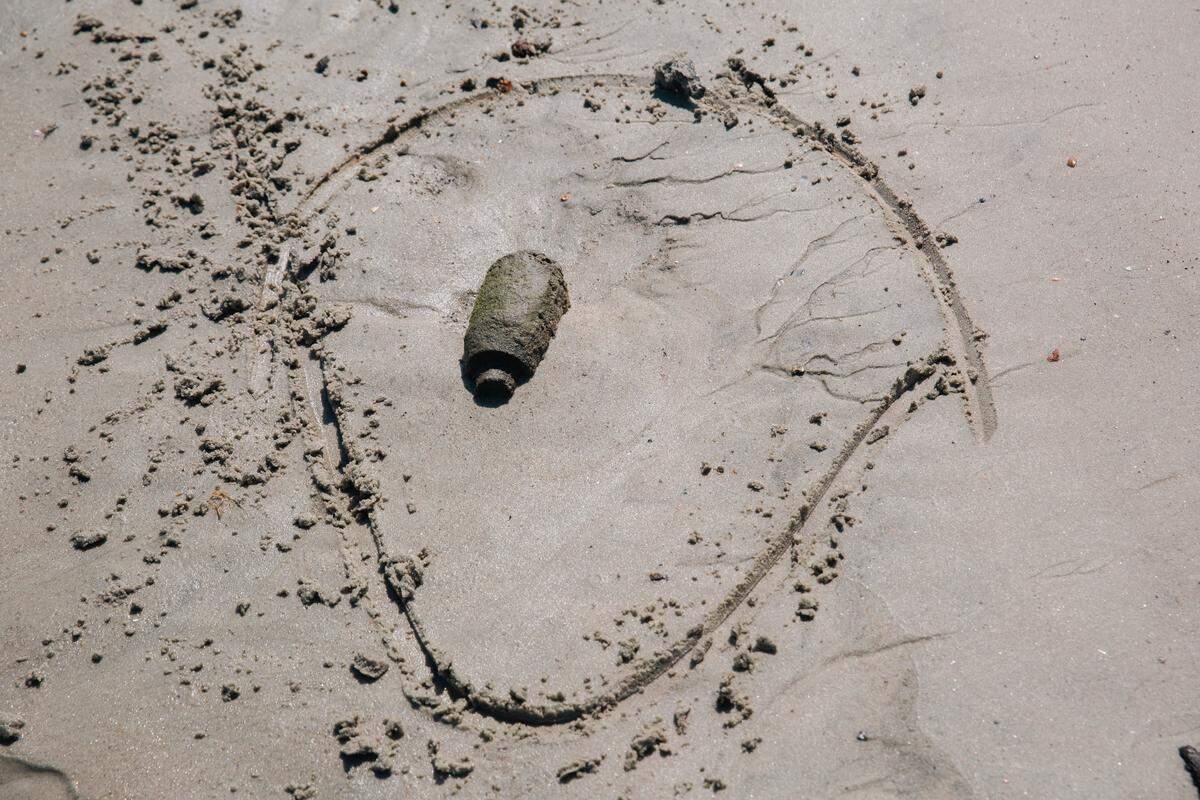
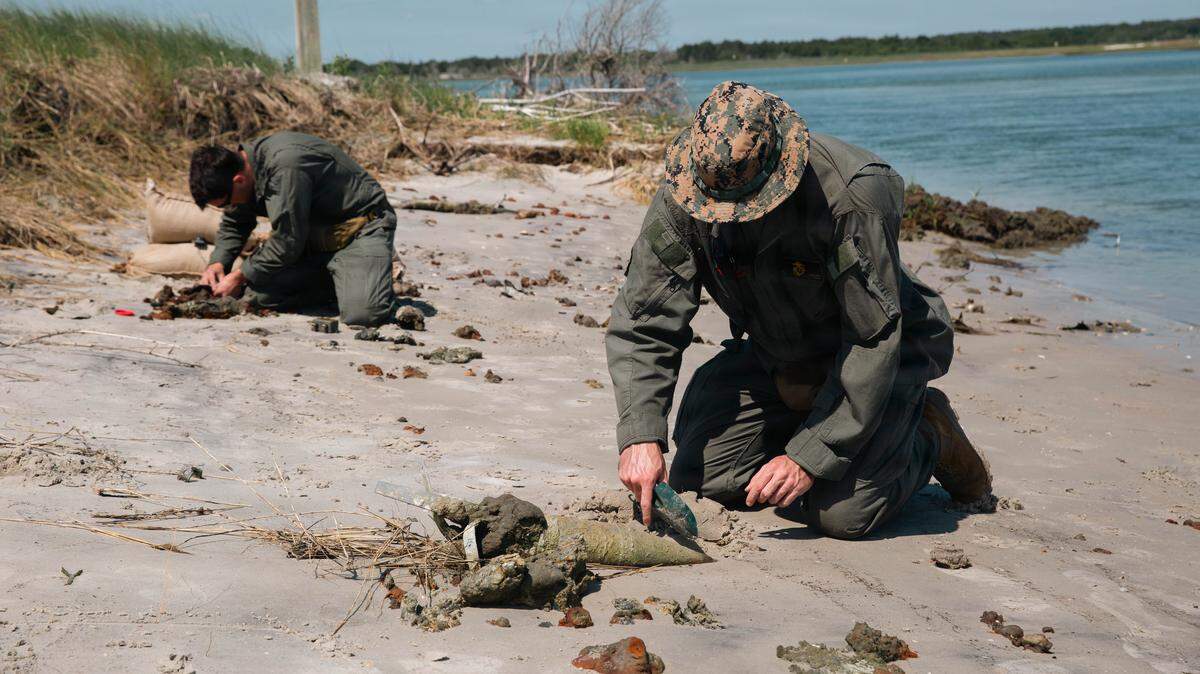
There’s “everything from 500-pound air-delivered bombs all the way down to 25- and 40-millimeter high-explosive dual-purpose munitions,” on the island, Lt. Col. Jeffrey Cummings, director of Range Control at Camp Lejeune, said in a Friday press release.
Browns Island is between the Atlantic Ocean and the Atlantic Intercoastal Waterway, north of Camp Lejeune and about 20 miles east of Jacksonville. It’s home to ongoing live-fire training exercises, the Marine Corps said.
It’s also between North Onslow Beach, a recreational beach open to Department of Defense ID holders, and 4-mile-long Bear Island, which is accessible by ferry and is a popular beach spot.
Due to erosion, previously buried explosives can surface and pose a blast threat to the surrounding areas. Officials are reminding the public, regardless of military affiliation, that the island and its waters, including the shoreline, tributaries and creeks, are strictly off limits.
“Civilian watercraft must never beach or drop anchor on or near restricted areas that are posted with warning signs,” Cummings said in the release.
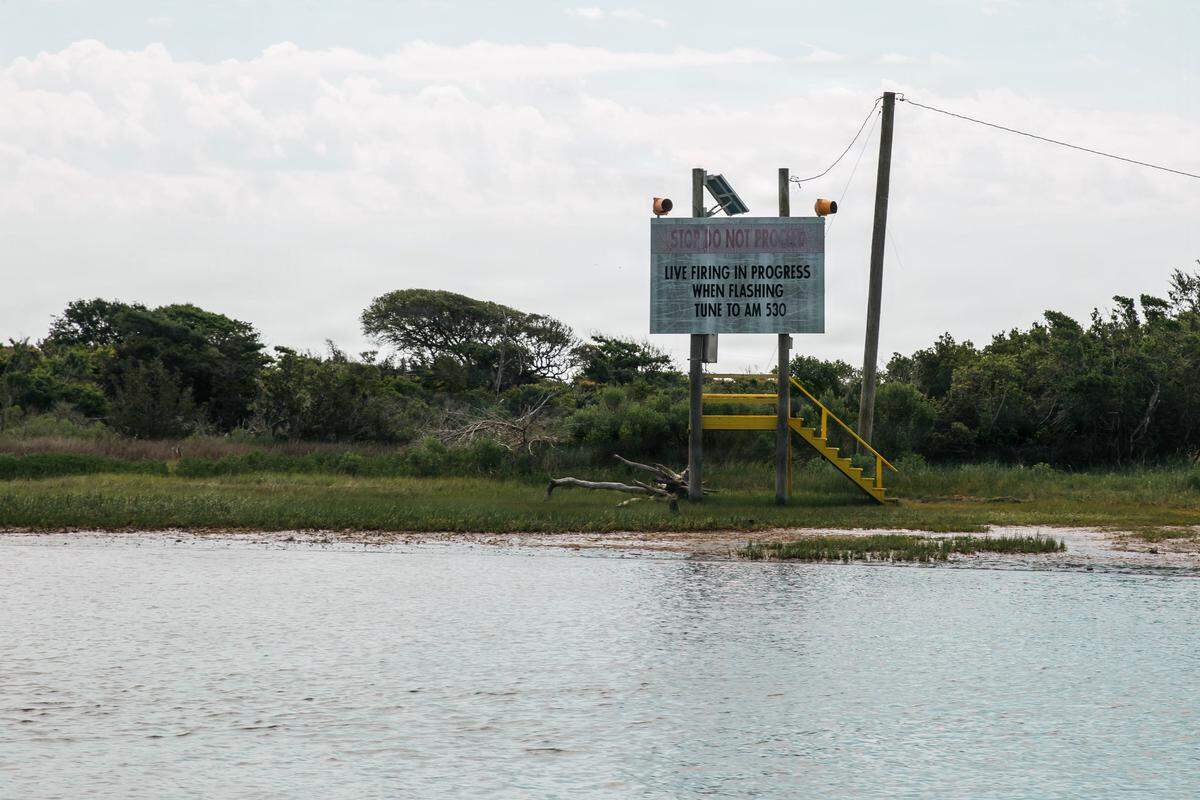
That means no clamming, oystering or crabbing, military officials warn. Visitors also can’t fish with bottom-dragging nets, anchor, stop or even leave your boat, Cummings said.
Browns Inlet is still open, and boaters can move through it without stopping during “periods of nonmilitary use,” according to the military’s Browns Island webpage. But officials still warn that because of the unexploded bombs, boaters shouldn’t make contact with the bottom of waterways.
Violating the military’s warnings could mean a $5,000 fine, a six-month prison sentence — or both.