
Birthright citizenship ruling a ‘relief’ for NC immigration advocates
North Carolina immigration advocacy groups are relieved by the U.S. Supreme Court’s Tuesday ruling upholding birthright citizenship, but say that more challenges lie ahead — particularly on the state level.
The 6-3 ruling affirmed a long-held understanding under the 14th Amendment of the Constitution that nearly anyone born in the United States is an American citizen, with very narrow exceptions. In doing so, it rejected President Donald Trump’s executive order from the beginning of his second term, which declared children born to parents who are in the United States temporarily or illegally are not American citizens.
“I’m glad the Supreme Court made the right decision in upholding the 14th Amendment,” Stefanía Arteaga, the co-executive director of Carolina Migrant Network, which is based in Charlotte and provides legal services and education.
Advocates emphasized that while the ruling was “reassuring,” it was not a surprising one.
“I think that birthright citizenship should not have been in question in the first place,” said Andreina Malki, defense manager for Siembra NC — an organization that supports Latinos legally and politically in North Carolina.
Ezra Rash, a staff attorney with the Charlotte Center for Legal Advocacy’s Immigrant Justice Program, said the decision was still “an unambiguous relief” for birthright citizens and families with mixed immigration statuses.
For immigrant parents, the ruling assured them of their American-born children’s citizenship statuses. It allows them and their children to continue pursuing the American dream, advocates said.
However, immigrant communities in Charlotte and North Carolina still face challenges, especially on the state level.
North Carolina House Republicans overrode Gov. Josh Stein’s veto of Senate Bill 153 last week, which required state and local law enforcement to cooperate with federal immigration officials.
“The parents [of children with birthright citizenship] are still very vulnerable and laws like SB 153 are making those parents very vulnerable,” Malki said. “If you have a child that’s a U.S. citizen, but you get detained or your partner gets detained … that child may not be able to live in the U.S., even if they’re citizens.”
Actions on the state level are also impacting the organizations that assist immigrants. Republican lawmakers also targeted a charitable state fund that provides financial assistance for low-income people to get civil legal aid.
“They put severe restrictions on the federal immigration work that we do, including for victims of human trafficking, survivors of abuse, unaccompanied minors and asylum cases,” Charlotte Center for Legal Advocacy CEO Larissa Mañón said.
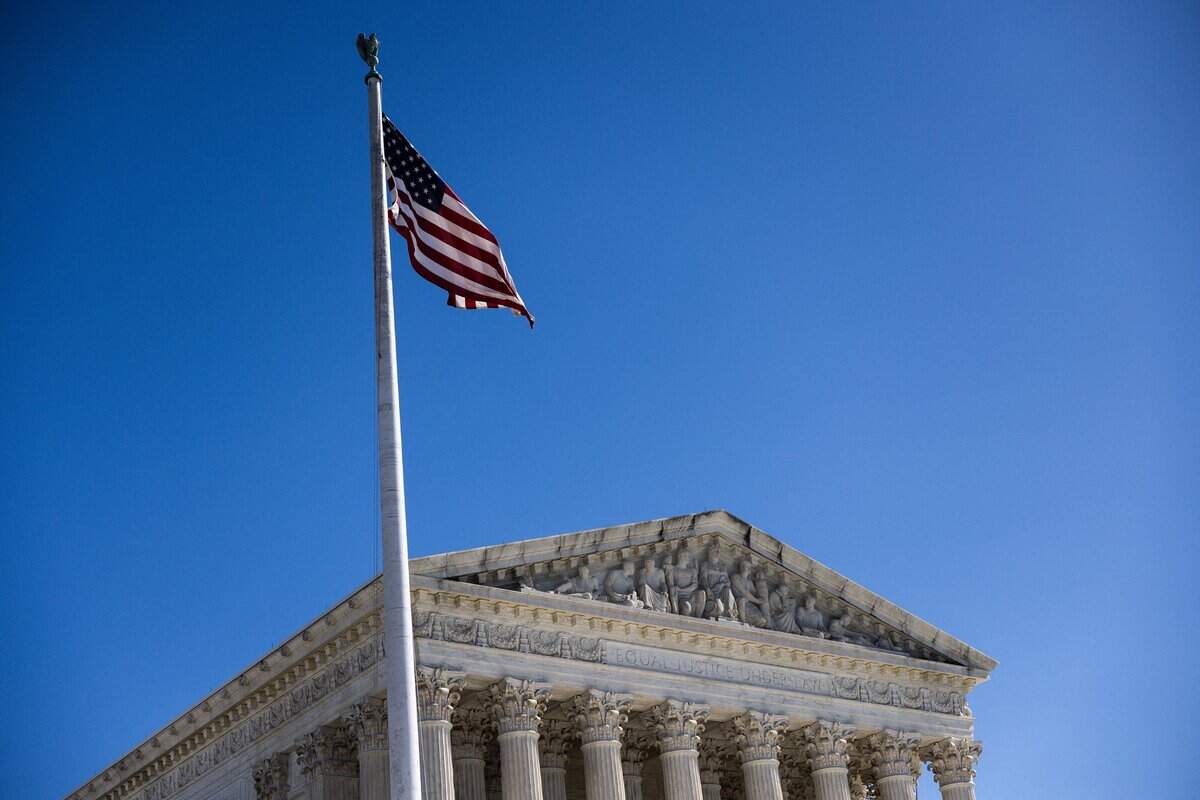
The June 30 ruling also comes days after the Supreme Court ruled to allow the Trump administration to end Temporary Protected Status for Haitian and Syrian immigrants, with far-reaching implications for immigrants from other countries who also fall under Temporary Protected Status.
However, advocates said they remain focused on their missions and existing initiatives to support local immigrant communities.
Héctor Vaca, the immigrant justice director for Action NC, highlighted the organization’s work with local artists. Action NC is also working to host “Know Your Rights” workshops to inform immigrants about what to do if they encounter immigration officials, and is working with local police to build trust within immigrant communities.
Ultimately, Tuesday’s decision represented a “silver lining” for vulnerable immigrant families and communities, advocates said.
“It means that we are moving in the direction of a country that acknowledges our differences and accepts them,” said Vaca. “So, it means that our country is moving in the right direction.”
This story was originally published July 3, 2026 at 5:30 AM with the headline "Birthright citizenship ruling a ‘relief’ for NC immigration advocates."