
Fish with glowing eyes can vanish in NC lake for months. State seeks answers
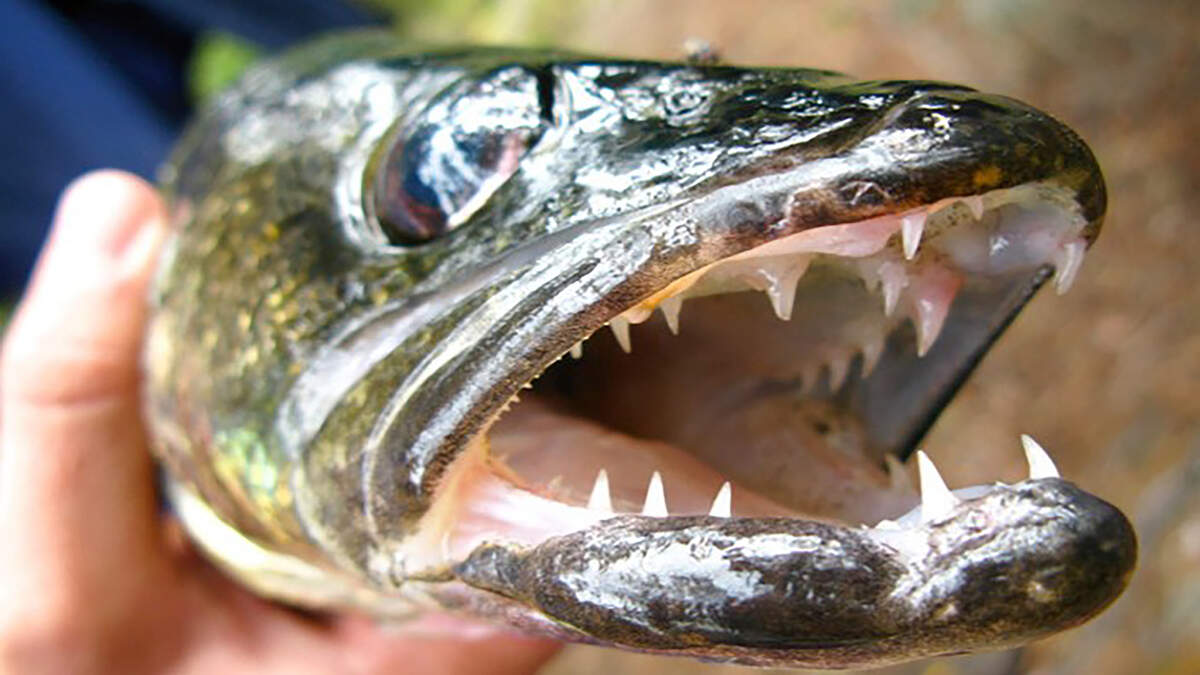
If you point a flashlight into the waters of Lake Gaston after dark, you may see “glowing eyes staring back at you,” according to the North Carolina Wildlife Resources Commission.
That would be the walleye, an ambush predator known to have very sharp “canine teeth.”
Stranger still is the fact these non-native fish have developed a mysterious ability to vanish for months at a time in Lake Gaston – much to the disappointment of anglers.
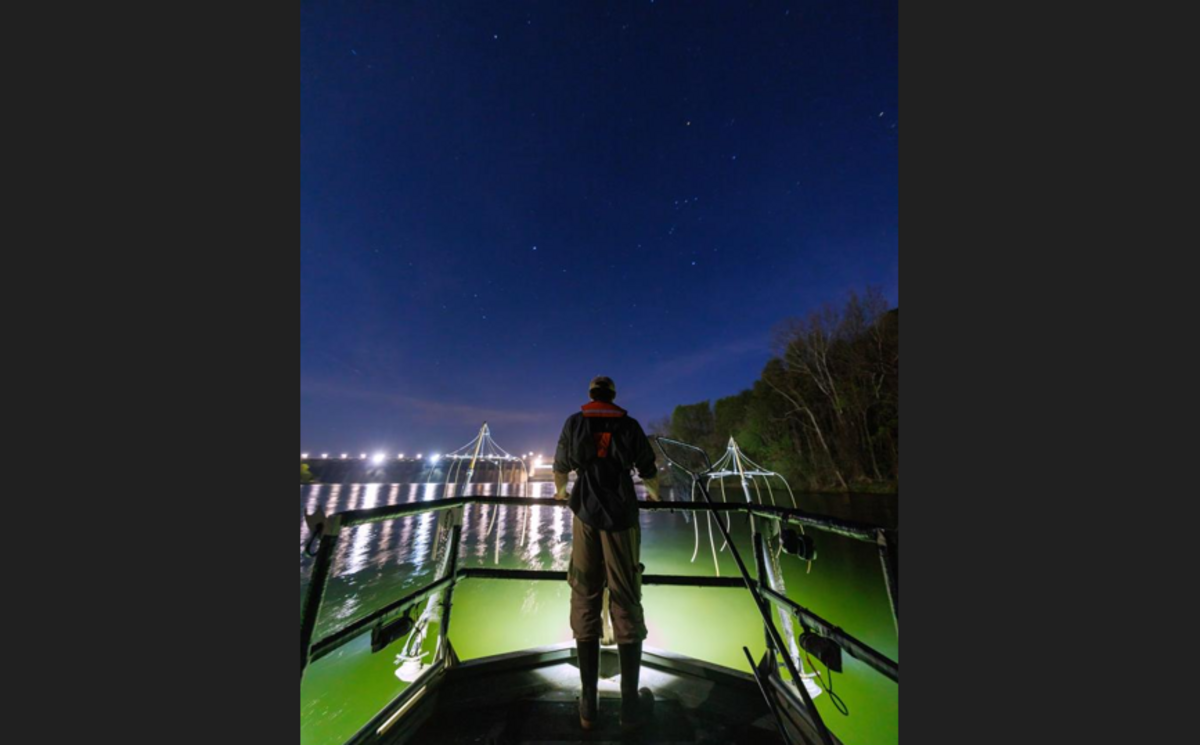
Trying to solve that riddle is the goal of a telemetry study that is fitting walleye with transmitters in hopes of tracking their movements in the lake. The 20,300-acre reservoir is between the Kerr and Gaston dams, about a 70-mile drive northeast from Raleigh.
“Lake Gaston walleye are a little bit of a unique population. They are a cool water fish that are more common in the Midwest, Northeast, and in Canada,” state Fisheries Biologist David Belkoski told The Charlotte Observer.
“In March and April most of the Walleye population is ... spawning on the shallow rocky part of the (lake). The rest of the year is when things get interesting. ... During the summer, fall, and winter, walleye fishing becomes more of a treasure hunt.”
This vanishing act is due largely to the thousands of walleye seeking out cool water refuges in the lake, which can shift depending on the weather, experts say.
“So, most of the year we don’t know where walleye hang out,” Belkoski said.
Solving the mystery
In March, state biologists anesthetized 50 walleyes and fitted them with acoustic transmitters that send signals, or “pings,” to underwater receivers located throughout the 34-mile-long lake.
“As a tagged walleye swims by a receiver, it records the temperature and depth of that fish. Biologists are then able to extract the receivers and download data for analysis,” the commission says.
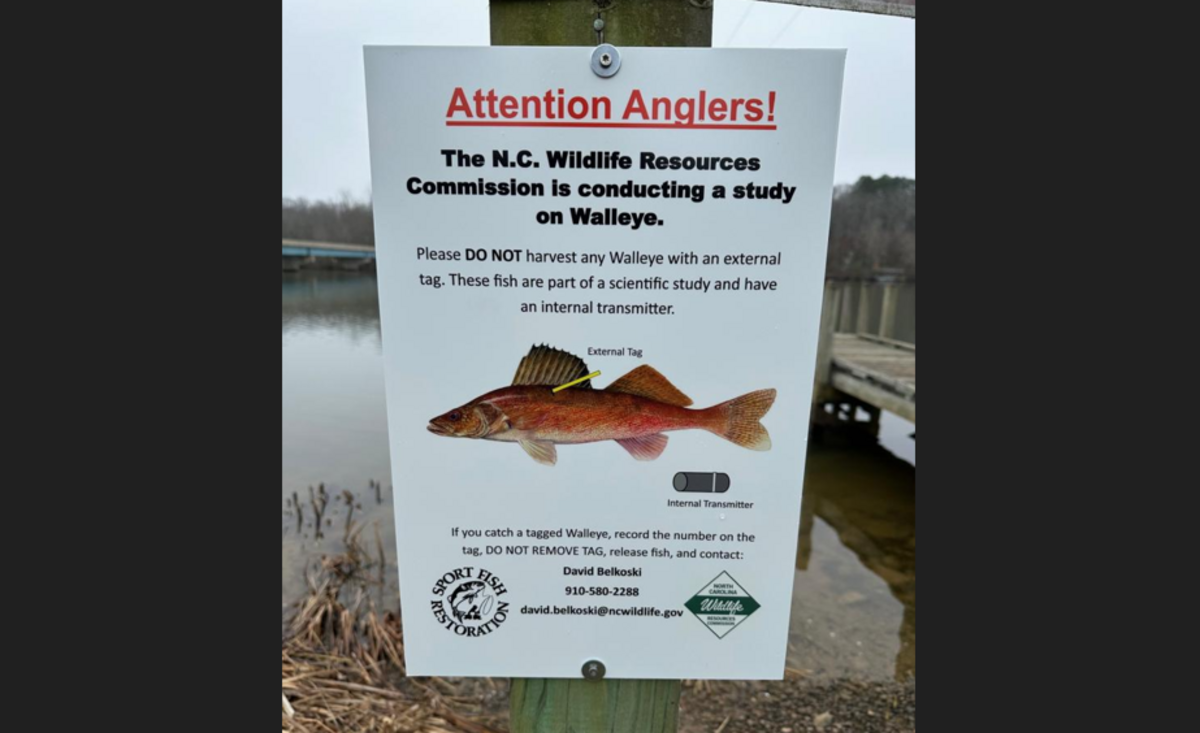
The 50 walleyes also have yellow tags with contact information, just in case they are caught by a lucky angler. (Walleye are “excellent table fare,” the state says.)
“If you catch a tagged one, please take note of the fish number on the yellow tag and call the telephone number on the tag to let biologists know when and where you caught the fish,” the commission says.
“This will provide additional information for the project and help biologists better understand the ultimate fate of that fish. (Also, if possible, please return the fish to the water after capture.)”
This story was originally published July 14, 2026 at 11:29 AM with the headline "Fish with glowing eyes can vanish in NC lake for months. State seeks answers."