Red wolf recovery sees boost as four litters born in Eastern North Carolina
AI-generated summary reviewed by our newsroom.
- Four litters of red wolf pups were born in Eastern North Carolina this spring.
- Between 12 and 16 pups survived their first months, the highest recent total.
- North Carolina recently received a $31 million federal grant to build wildlife crossings.
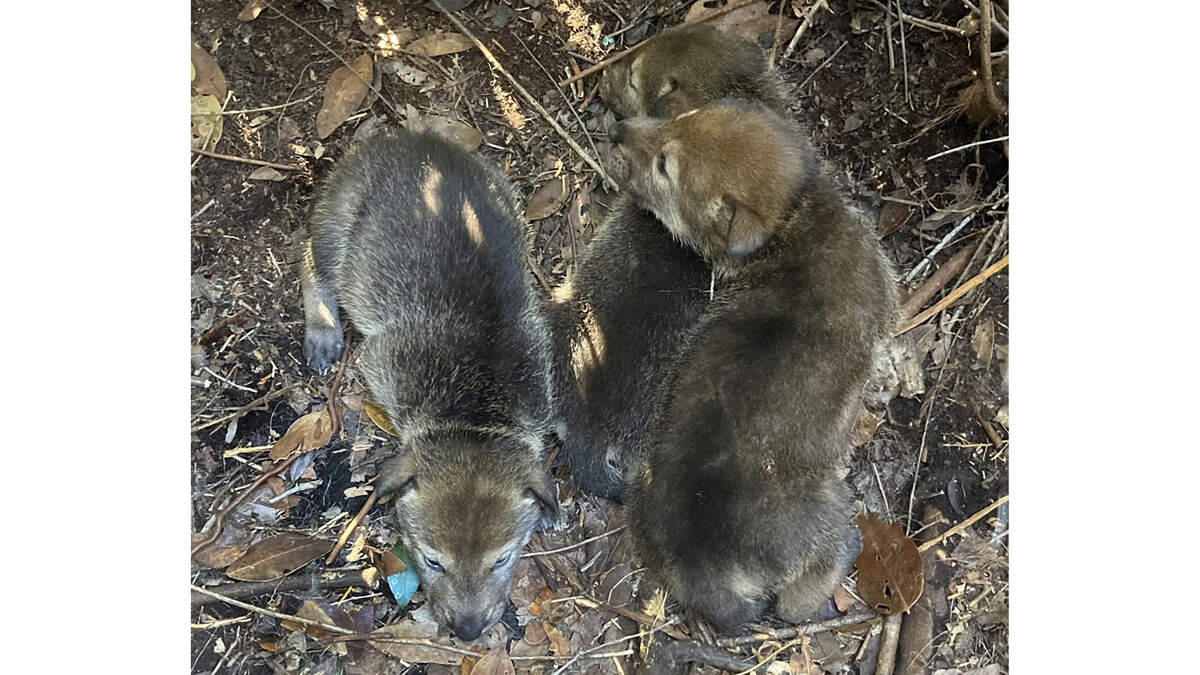
Four new litters of red wolf pups were born in the wild this spring, giving hope for the conservation of the world’s most endangered canine.
According to recent reports from the U.S. Fish and Wildlife Service’s Red Wolf Recovery Program, between 12 and 16 pups have survived their first months, the highest numbers recorded in several years. Currently, there are only 22 adults living in the Alligator River National Wildlife Refuge and surrounding areas.
The new pups were born to established breeding pairs on both public and private lands. Wildlife biologists with the recovery program have been monitoring the litters, administering vaccinations and, in some cases, fitting pups with tracking transmitters to follow their health and development.
Private land has played an increasingly important role in the red wolf recovery effort, according to Heather Clarkson, outreach representative from Defenders of Wildlife.
“The fact that we have wolves using private land, and we have private landowners who are allowing it ... speaks to just how much progress this program is making in connecting with the community,” Clarkson said.
The Prey for the Pack program, a collaboration between the Fish and Wildlife Service and the North Carolina Wildlife Federation, offers incentives for landowners who maintain healthy habitats for prey species like deer and rabbits. This initiative aims to support sustainable food resources for red wolves while strengthening cooperation with local landowners.
The Saving Animals From Extinction (SAFE) Program has also contributed to the red wolf program’s progress. The SAFE program breeds red wolves in captivity to supplement the wild population. This year, pups from the SAFE population at the Saint Louis Zoo were placed into wild dens, while wild-born pups were transferred to the zoo to boost genetic diversity.
Despite these advancements, mortality from vehicle collisions remains a significant challenge. To address this, North Carolina recently received a $31 million federal grant to construct wildlife crossings beneath Highway 64, a major road that cuts through red wolf habitat.
Clarkson said the wildlife crossing will help more than just wolves.
“This wildlife crossing is such a big deal,” Clarkson said. “Years of roadkill data helped us pinpoint hot spots, and putting a plug in this fire hydrant of vehicle mortality will improve life for wolves, black bears, and really every species in that area.”
For updates on red wolf conservation, see SaveRedWolves.org.