
Senator tried to ease hunting ban on preserve, years after dad killed a gator there
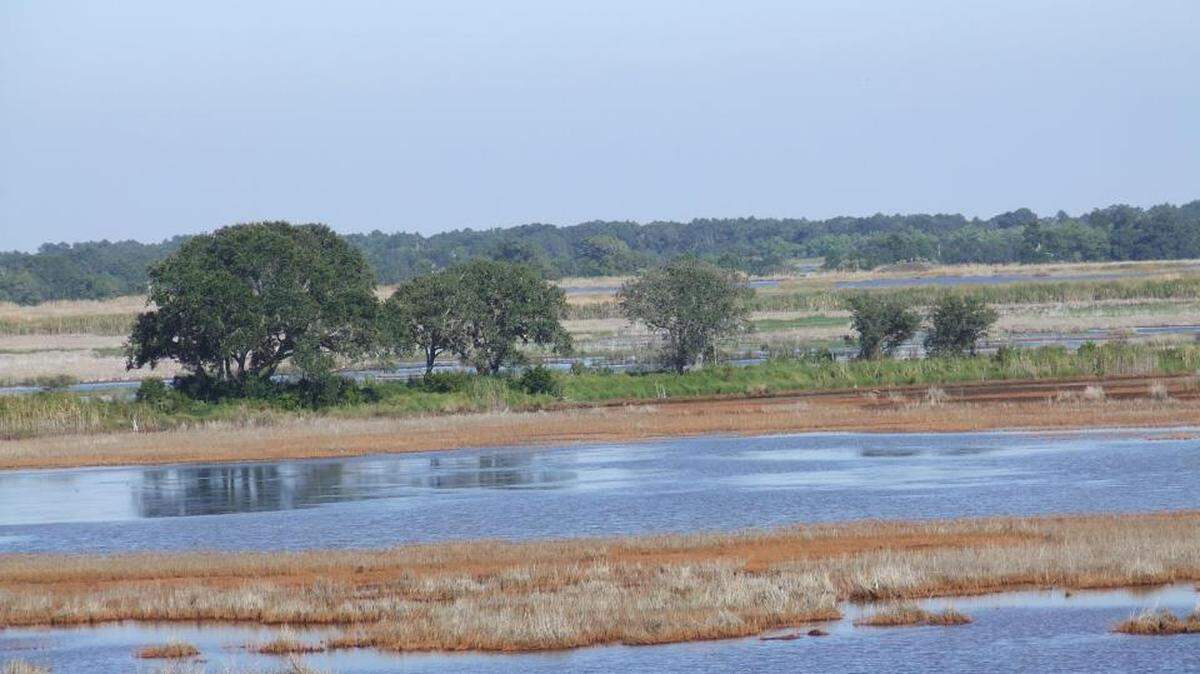
State Sen. Stephen L. Goldfinch Jr. says he was looking out for the public when he pushed legislation that would keep wildlife officers from enforcing hunting laws on part of the Yawkey wildlife sanctuary, a 24,000-acre coastal preserve near Georgetown where hunting is illegal.
But Goldfinch, a Murrells Inlet Republican, isn’t saying much about a run-in his father had with state wildlife agents on the Yawkey preserve six years ago.
In 2013, the state Department of Natural Resources fined Stephen L. Goldfinch of Aynor $470 for illegally hunting an alligator at South Island on the Yawkey Wildlife Center. The ticket and court records show that the elder Goldfinch, now 60, was found guilty two weeks later in a Georgetown County magistrate’s court.
Officers charged him with “taking,’’ or killing, an alligator on a wildlife sanctuary, said DNR spokesman Robert McCullough, who said Goldfinch was in a boat when officers arrived. The hunting violation occurred at about 9:30 p.m. on Oct. 6, 2013 at South Island, according to a copy of the ticket.
Neither Sen. Goldfinch nor his father would comment, except to say the hunting incident was unrelated to the senator’s recent budget proviso that would have stopped the DNR from enforcing hunting laws on creeks at the Yawkey wildlife sanctuary.
“I can’t believe you called me, but it has no basis,’’ the elder Goldfinch told The State.
Earlier this week, the younger Goldfinch abandoned his effort to relax the ban on hunting in the sanctuary. He had received a barrage of criticism after The State reported last week that he persuaded the Senate to approve a budget proviso to open up hunting on sections of the Yawkey Wildlife Center.
The proviso, voted on by the Senate April 17, banned the DNR — the same agency that ticketed Goldfinch’s father — from enforcing a sanctuary agreement that prohibits hunting from navigable waters, or major creeks, that run through the Yawkey preserve.
Sen. Goldfinch told The State last week he has had complaints from hunters about the lack of access to parts of the preserve. He said the Department of Natural Resources has tried to expand its authority on beaches and creeks the public has traditionally used, through new regulations for the Yawkey preserve. The DNR says it was not trying to do that.
Gary Weinreich, a leader with the group Preserve Murrells Inlet, said it’s “terribly upsetting” that Goldfinch sponsored legislation to ease hunting restrictions after his father was ticketed for hunting on the Yawkey preserve. Weinreich and other residents have disagreed with Sen. Goldfinch over hunting issues in the past.
“What could possibly be the motivation, other than you are possibly angry that your father got a ticket — or that you have got a small segment of your constituency that wants to take advantage of the fact that Yawkey attracts this large number of birds to a refuge?’’ Weinreich asked.
Alvin Taylor, the DNR’s director, said he doesn’t “know that there is a lot to be made’’ of the ticket and issues that concern the Yawkey refuge. Taylor said the ticket had not come up in any discussion about rules changes at the preserve. McCullough said the hunting fine was paid.
The Department of Natural Resources historically has not prevented people from taking boats into the wildlife refuge’s creeks, but the department has traditionally banned hunting on creeks and on the land, a condition of Tom Yawkey’s will.
Yawkey, the Boston Red Sox owner who died in 1976, said the preserve should be a wildlife sanctuary, free of hunting. If the state does not comply with terms of his will, the land would revert to a New England trust established by the former baseball executive, a change the DNR does not want to happen.
The Yawkey Wildlife Center is considered by the DNR to be a “crown jewel’’ of nature preserves in South Carolina. Three islands primarily make up the preserve, which has about 12 miles of unspoiled beaches, salt marshes and historic buildings. Wild animals are abundant. The area contains some of the state’s prime grounds for ducks, nesting sea turtles and huge alligators. Overall, some 200 species of birds can be found there, including bald eagles and rare red-cockaded woodpeckers.
Goldfinch told The State last week that he offered the budget proviso because the DNR had begun expanding its authority in the area and he wanted to stop that. The wildlife agency had proposed regulations that would have made “entrance on the beach or in the tidelands a trespassing offense,’’ according to a post on Goldfinch’s Facebook page Monday.
Since The State’s story last week, Goldfinch has told people he was interested in protecting public access in the area, not allowing hunting at Yawkey. But as written, the proviso Goldfinch introduced would let sportsmen — for the next year — hunt in public creeks that run through the preserve. The preserve is a refuge for ducks and other animals to recover from hunting in Georgetown and northern Charleston counties, according to the DNR.
Scott Powell, a retired DNR officer who formerly patrolled the Yawkey Wildlife Center, said he would sometimes find people hunting on Yawkey’s creeks, but when told it was illegal, they would leave the area.
Allowing people to hunt from major streams like Mosquito Creek would bring them to the edge of major duck impoundments, ponds that are managed to attract ducks and give the birds refuge from hunting, he said. Weinreich said allowing hunting from the water would invariably encourage people to trespass on Yawkey’s land to retrieve birds they have shot.
Sen. Goldfinch said this week he is withdrawing his budget proviso because the DNR had agreed to allow access in areas he was concerned people could not visit. On Thursday, the Senate canceled DNR regulations that Goldfinch claimed would limit access to beaches and creeks.
“This is a win for the public and the wildlife,’’ Goldfinch said on his Facebook page this week.
This story was originally published May 8, 2019 at 6:37 PM with the headline "Senator tried to ease hunting ban on preserve, years after dad killed a gator there."