Myrtle Beach trips were a family tradition. COVID-19 took man who loved them most.
Myrtle Beach was the spot for John Hicks Jr. and his family.
For three decades, Hicks visited from his Virginia home. The area became their second home for the retired firefighter and man known as “papaw” to his grandchildren. They owned a condo in the area and it was the family’s vacation spot.
“I know he loved it,” his daughter, Beth Wells, said.
Her tone quickly shifted as she recounted a phone conversation with her dad just weeks ago. She spoke to Hicks over the phone as he laid in his hospital bed. Hicks fought against COVID-19, but wasn’t getting better. He started to fade away physically — the love of the Grand Strand faded, too.
“I also know that when I could talk to him, he told me if he never went to Myrtle Beach again, he’d be OK with it. He said he just had no interest in going back.”
Hicks never had to choose if he would return to Horry County. Coronavirus decided for him.
He died July 20 at age 71, about four weeks after his last visit to Myrtle Beach.
It was a trip to the Myrtle Beach area that might have cost him his life.
.jpg "FullSizeR1(1).jpg")
Life in Virginia
Hicks grew up in a foster home and then spent 33-years working as a firefighter in Salem, Virginia. He wasn’t one to climb the corporate ladder, as he didn’t want to deal with the bureaucratic elements, so he retired as a senior firefighter.
“(Hicks described his job training as) one, hold on to the back of the truck and two, hold and aim a house. If he could do that, he was golden,” Wells said.
He also drove a school bus in Roanoke County, which he continued to do after retiring as a firefighter. He had a third job working as a meat cutter for a local butcher shop, and later Kroger.
“He worked a lot, but it never seemed like he was gone a lot,” Wells said.
Hicks was married to his wife, Nancy, for 45 years. Together they had three children, seven grandchildren and two great-grandchildren. The entire family lived in the Roanoke area with nobody more than 90 minutes away, Wells said. Any time the whole family gathered were some of Hicks’ favorite memories.
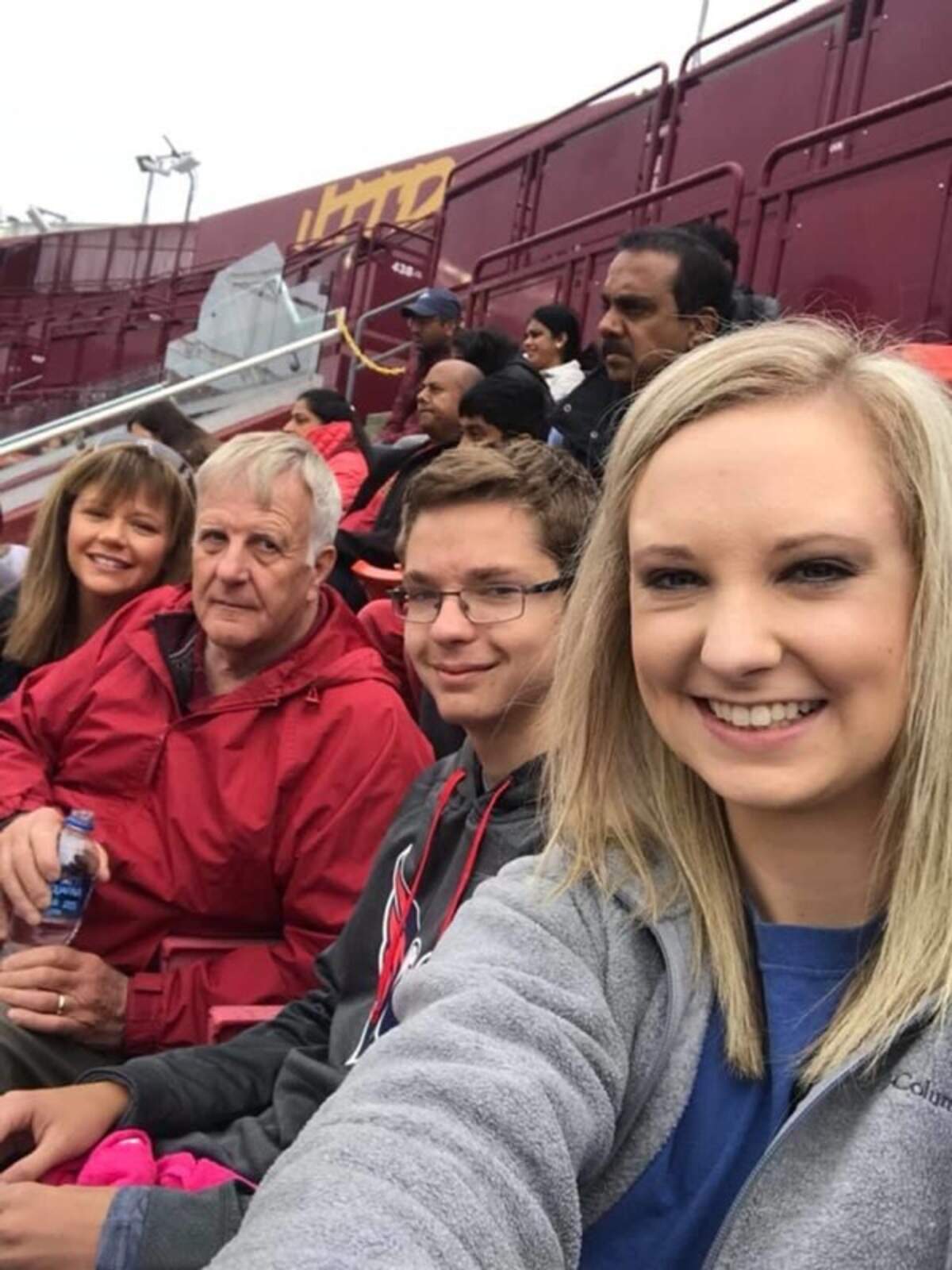
Wells said her two brothers weren’t athletic so it was up to her to toss the football around with dad, who was a Green Bay Packers fan, despite living in Southwestern Virginia. He was also a notorious prankster, something his fellow firefighters had to endure at the firehouse.
Trips to the Myrtle Beach area was a 30-year tradition for Hicks and his family and a love that grew into part-time residency.
“Because it became a tradition for our family, my parents actually bought their own place in Surfside,” Wells said.
A fateful trip
Hicks and his wife rented the home to a Canadian couple in February, but it went unoccupied during much of the COVID-19 pandemic. Horry County has been hit hard, being called a coronavirus “hot spot.” To date, there have been 7,600 confirmed cases in county residents. About 7,000 cases have been diagnosed since June 1.
There have also been reports of tourists returning home from the Grand Strand and then testing positive for coronavirus, Including in the Roanoke area.
Nancy and John came down to their condo on June 15. It was a few weeks before the entire family planned to visit over the Fourth of July weekend. The couple was going to spend a few days in the area before returning to Virginia. The pool at the condo was closed, so that wasn’t an option, Wells said. Nancy and John walked the beach and went to early-bird specials at restaurants so it would be less crowded.
The couple also made sure to take precautions by wearing their masks and using hand sanitizer after every trip into a store.
“My parents did everything right that’s been recommended that they do,” Wells said.
The couple returned home and on June 19, Hicks began to feel ill. His symptoms mirrored heat stroke, which made sense because of the high temps in Virginia and the fact he was working outside, Wells said. Still, Hicks went to the doctor, who after learning of the recent trip to South Carolina insisted Nancy and John be tested for Covid-19.
.jpg "FullSizeR1(2).jpg")
Hicks admitted the family will never know where John and Nancy contracted the virus. But, Hicks’ symptoms developed about five days after the trip to the Myrtle Beach area.
June 21 marked Father’s Day and the family got together, despite the pending test. Hicks wore his mask, brought his own chair and the family was socially distanced, Wells recalled.
“We felt the risk was fairly low because he did other things he should have,” Wells said. “We were happy to celebrate Father’s Day. Then the following Tuesday he calls me like, ‘You’re not going to believe this, but I tested positive.”
The confirmation was a shock as Hicks felt OK, he was even working in the yard when doctors called to give his test results. Everyone tried to remain positive and said they were going to get through it. Nancy got tested the next day, and learned a week later she was positive.
By Saturday, Hicks still wasn’t feeling well and his oxygen saturation levels were well below normal.
The 71-year-old’s only other hospital stay was for knee surgery, but here he was getting put into an ambulance to go to the hospital. He had no underlying health conditions other than hypertension, which had been treated for 25 years, Wells said. Within a day at the hospital, Hicks told his family he started to feel better.
“If he’s telling me he’s feeling good, I’m pretty optimistic,” Wells said. “He was like, ‘You gotta check on your mom, I’m worried about your mom. Maybe she needs to be here, too.’”
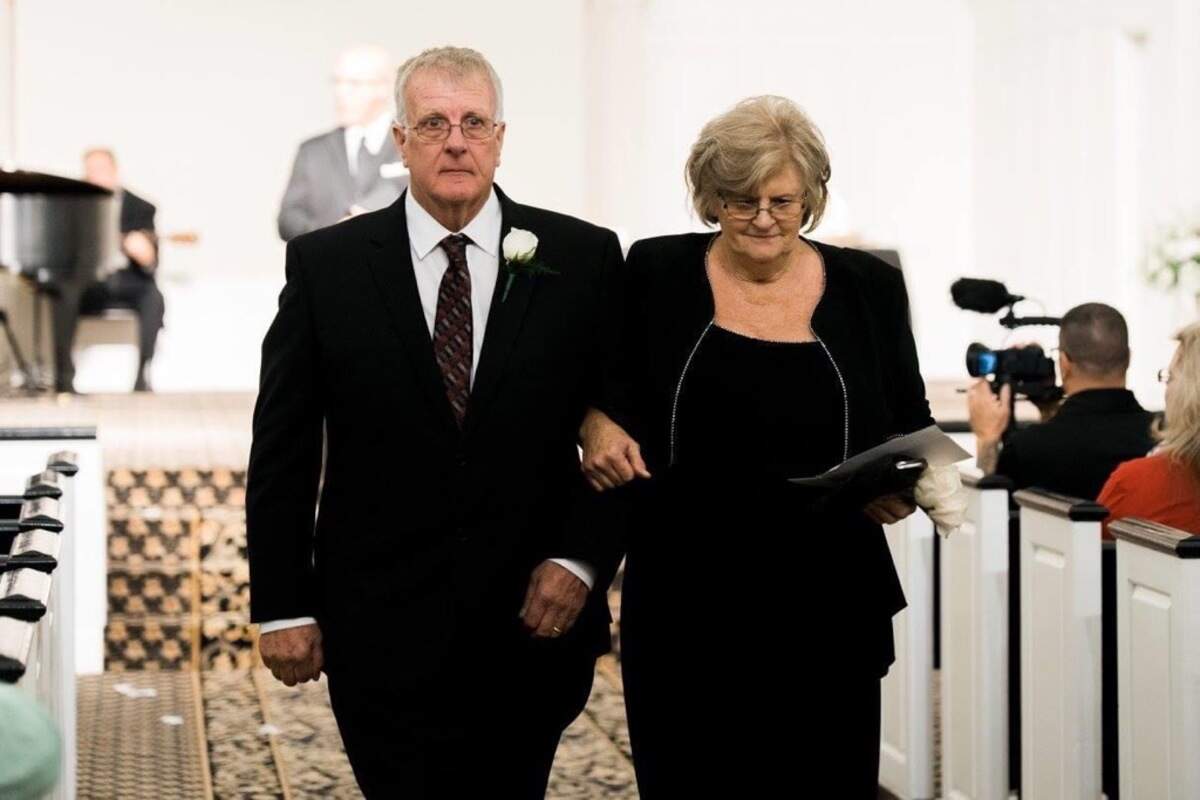
Condition worsens
Nancy wasn’t allowed near the hospital because of her positive COVID-19 test as Hicks received treatment. Wells talked to her father by phone but wasn’t overly concerned. His condition continued to worsen and he was prescribed Remdesivir — a drug shown to help coronavirus patients. He then went on a ventilator to help his lungs.
“As the days went on, the frequency of talking to my dad became less and less,” Wells said, noting it was difficult for him because of the machines or he didn’t feel up to talking.
“My mom was able to talk to him and be like, ‘Look if they have to put you on a ventilator what it is you want?’ And he said, ‘I just want you to try. And we knew his wishes.”
Hicks was moved to the intensive care unit on July 8. Nancy was still not allowed in the hospital, but the staff allowed Wells inside. She couldn’t enter the room but could sit outside and see her dad through the glass door.
She was sitting outside when Hicks had one of her last conversations with her father, who kept repeating how tired he was.
“I kept assuring him it was going to be OK,” Wells said. “I knew he was tired and he had to keep fighting,” Her voice trailed off as she fought back the emotion remembering the call, ”telling him to keep fighting. ...”
Fight he did.
Hicks remained in intensive care for two weeks though his body didn’t respond to the oxygen being pumped into his lungs. Machines filled his bedside instead of family members. A nurse placed family photos of Hicks and his grandchildren on the walls to feel like home. The medical staff also set up an iPad so his family could see and talk to him. They never knew if he heard a word they said.
“He fought for a long time. I mean that,” Wells said. “But, every complication you could have with COVID, my dad did.”
Doctors said there was little they could do for Hicks. If he did recover, Hicks was likely to spend years in a nursing home relearning simple skills. His family decided to move him to comfort care, knowing the 30-year firefighting veteran wouldn’t want to live like that.
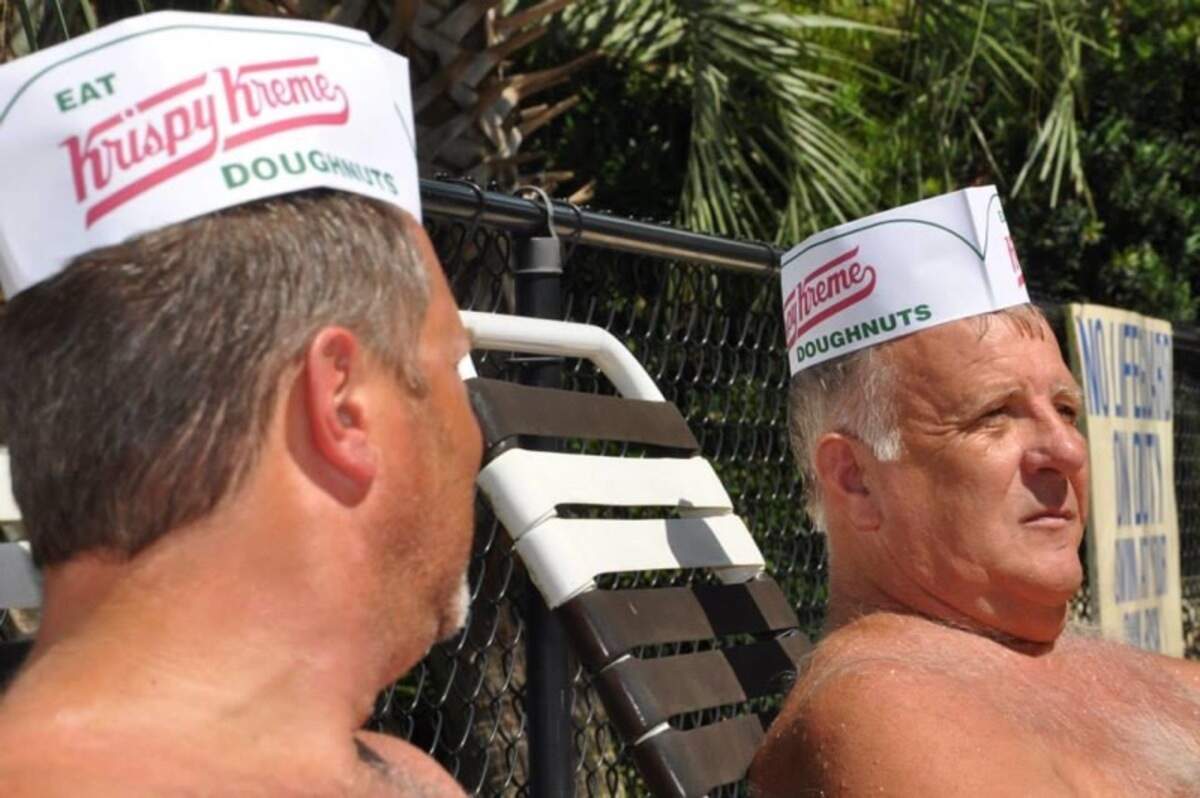
Nancy had two negative coronavirus tests so she could be in the room when Hicks took his last breath. Wells and her brother joined soon after her father passed, though she had to wear full protective gear to see him. When she entered the room, she saw a man she barely recognized.
“The reality is that COVID is violent,” Wells said. “What it did to his body, it didn’t even look like my dad anymore. So I walk into the room and I know it’s my dad. I’ve been sitting there for 12 days at that point ... but to look at him, it looked nothing like my dad.”
Family questions
It’s been about 10 days since Hicks died and his family doesn’t know what they will do with their Surfside Beach home. Nancy knows John loved to be at the beach, which has left questions about whether the family should keep or sell their Grand Strand condo.
“I know that was a tradition for our family for so many years,” Wells said. “But right now it’s so raw. I don’t know if I’m ready to come back. But, I also have to reconcile (whether) my dad caught it there.”
Hicks’ family buried John early this week, his casket covered in an American flag and a firefighter guard assisted in the ceremony. Wells hoped people remembered her dad as a hard worker who worked for everything he had.
“My dad was a fighter. He fought all his life to achieve what he did, he grew up poor in a foster home. Everything he accomplished was from the sweat on his back,” Wells said.
“Nothing was handed to him.”
This story was originally published July 29, 2020 at 2:52 PM with the headline "Myrtle Beach trips were a family tradition. COVID-19 took man who loved them most.."