
See an alligator in NC? Take a photo (safely) for science
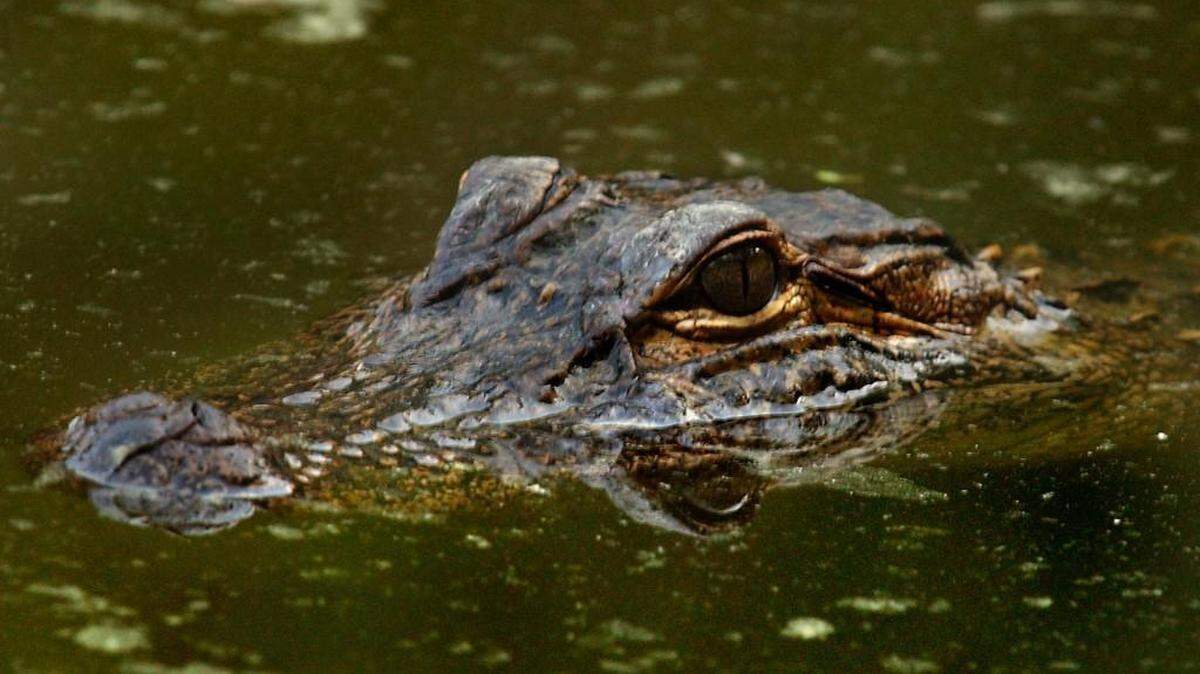
The N.C. Wildlife Resources Commission wants your help to document alligator sightings throughout the state.
The new citizen science project will help determine where alligators are in North Carolina, and anyone can help.
North Carolina residents or visitors who spot alligators in the wild are asked to upload and share their photos on the project titled “NC Alligators,” which launched Tuesday on the free online platform, “iNaturalist.”
Photos can be uploaded using a computer at iNaturalist.org or through the iNaturalist app, available for iPhone and Android.
“Submitting an alligator observation is very easy,” said Alicia Davis, natural resources technician with the Wildlife Commission and project curator. “If you see an alligator and can take a picture, you simply upload the photo to iNaturalist and add it to the NC Alligators project.
“If the picture you upload was taken with a smartphone, the iNaturalist platform automatically gathers data on when and where the photo was taken. If you take the picture with a traditional camera, you can drop a pin where you saw the alligator using the Google map on the website.”
Observers should obviously exercise caution and keep a safe distance away when photographing alligators, Davis said.
It’s easy to get caught up in the excitement of seeing an alligator and get too close, which could be dangerous.
Alicia Davis of the N.C. Wildlife Resources Commission
“It’s easy to get caught up in the excitement of seeing an alligator and get too close, which could be dangerous,” Davis said. “Also, we don’t want people feeding them to get a better picture. Not only is that dangerous for both the observer and the animal, but it is also illegal.”
The Wildlife Commission launched the project to learn more about the distribution of alligators across North Carolina. Currently, alligators have a natural distribution range of about 25 coastal counties, which is the northern extent of the alligator’s range in the United States.
Previous scientific work showed that researchers need to monitor alligators so they can better understand how alligator populations respond to habitat changes, such as saltwater intrusion, fluctuation in water levels and habitat loss.
“Data collected from this project will also help us identify areas with high potential for human-alligator interactions,” Davis said. “We could use this type of information to reduce negative interactions between people and alligators. For example, these observations could help WRC staff decide where to focus educational efforts about alligators.”
To report alligator observations without using iNaturalist, email alicia.davis@ncwildlife.org. The email should include: a photo of the alligator, when it was observed (day and time), location where it was found (GPS coordinates are best, but a detailed location description is OK), estimation of size.
People also can report locations of alligator nests and provide access to private property for officials to conduct alligator surveys.
To learn more about alligators in North Carolina, read the Commission’s “Coexisting with Alligators” and American Alligator wildlife profile.
Abbie Bennett: 919-836-5768; @AbbieRBennett
This story was originally published May 2, 2017 at 5:15 PM with the headline "See an alligator in NC? Take a photo (safely) for science."