Risk of heavy rain over central NC by mid-week; Tropical Storm Debby forms in Gulf
For the latest forecast, see this story from Monday, Aug. 5.
A collection of storms forecasters watched for days became Tropical Storm Debby Saturday, putting much of Florida on storm surge and hurricane watches or warnings.
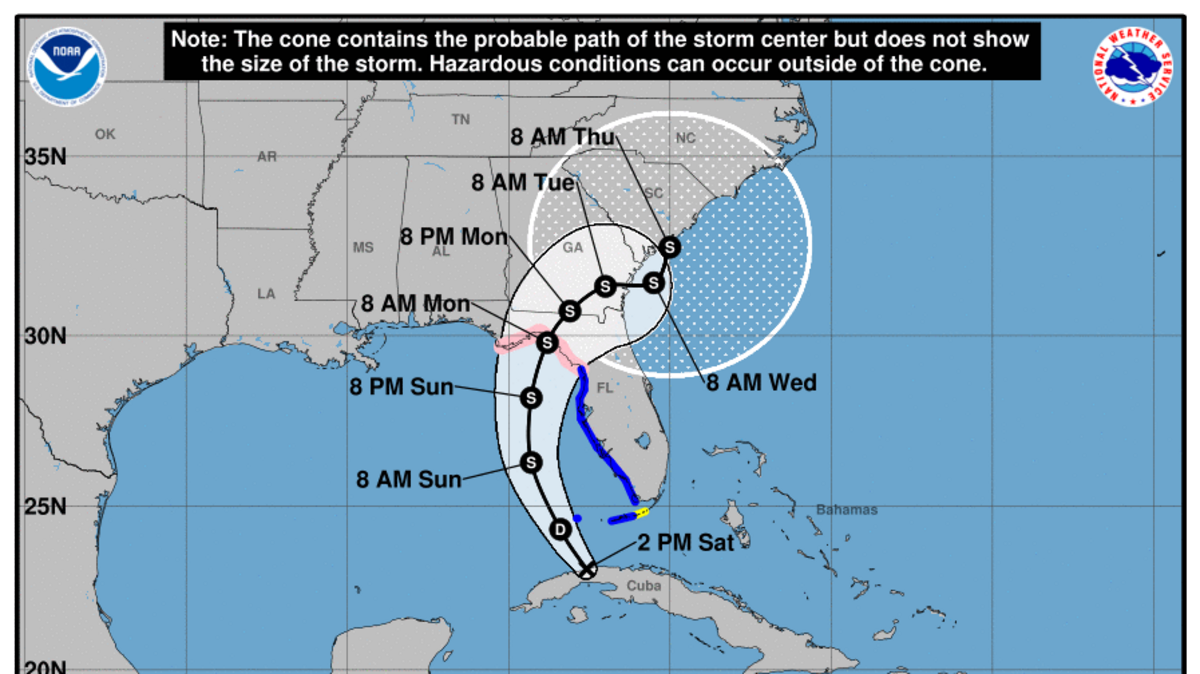
Debby is expected to come ashore as a hurricane on the Gulf Coast of Florida early Monday before moving across southern Georgia, and back to the East Coast, weakening back to a tropical storm. The storm is expected to move slowly and affect the Carolinas as soon as Wednesday, bringing heavy rain, flooding and dangerous currents.
The “very slow progression” of the storm will results in “very significant rainfall” across southeast North Carolina, according to the National Weather Center.
North Carolina Emergency Management on Sunday said it would move to an “enhanced status watch” to “begin coordination of response operations” for the storm. This is the second level of a three-tiered activation system that focuses on state personnel to support local government preparations ahead of an event, the NCEM said.
Storms blew through the Triangle and North Carolina Saturday, and much of the state remained under severe thunderstorm and flood watches. Despite warnings of wind gusts to 60 mph and possibly quarter-sized hail, there were no immediate reports of major damage or flooding.
Chrissy Anderson, a meteorologist with the National Weather Service’s forecast office in Raleigh, said Tropical Storm Debby’s future route and strength is uncertain but Saturday morning it was “going over Cuba and Cuba has lots of mountainous terrain.”
Afterward, as it gets to the gulf, the Lower Key islands and the west side of Florida — which have very warm waters — a lot will depend on how slow the storm moves up the coast into the Florida peninsula, she said. “If it takes time, it could strengthen a little bit more than expected,” she said on Saturday.
Effects in NC
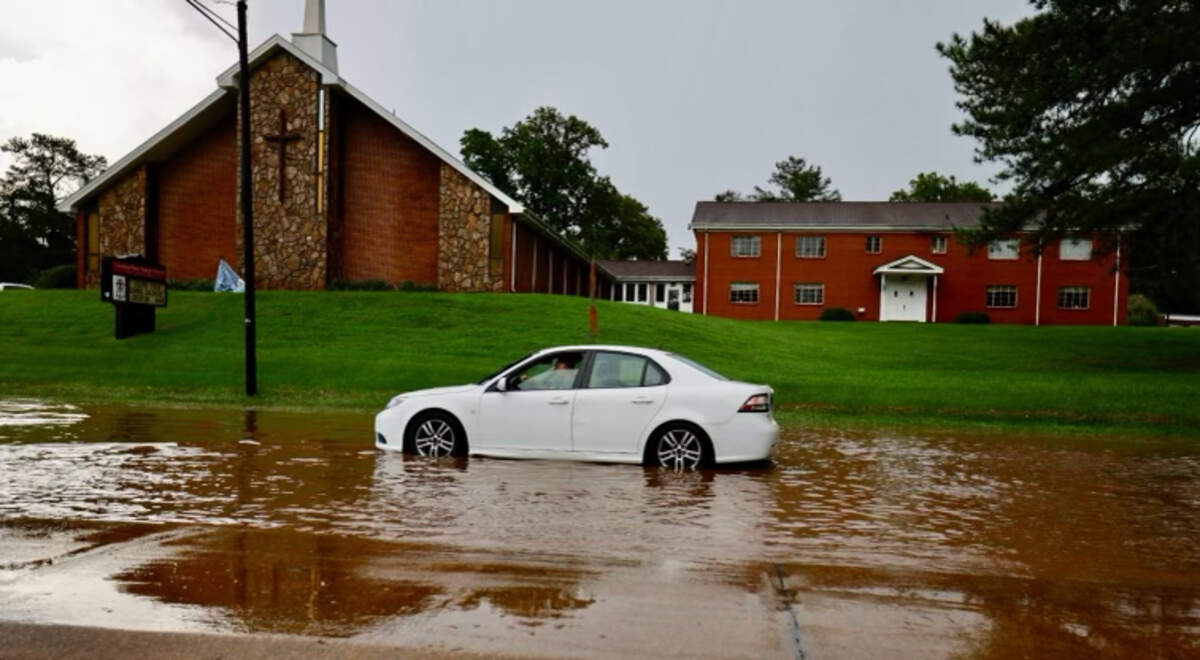
As for effects in North Carolina, it’s too early to know for sure. But excessive rain, leading to possible flooding, is a major concern.
“We’re expecting impacts to start” in North Carolina, “as early as Wednesday, early Wednesday. But the track is changing and the uncertainty starts with it as it moves over the northern portion of Florida,” said Anderson. Those effects will continue late into the week.
“Once it moves offshore, you know, they’ll have a better handle on where it’s headed,” she said.
For now, predictions show North Carolina likely being hit by heavy rain and possible flooding.
“As the system moves into the North Carolina region, it’ll begin a wet pattern, whether it’s (alongside) strong gusty winds or heavy rain,” and “you can never rule out isolated tornadoes with tropical cyclones,” said Anderson.
“Make sure you’re prepared now. Don’t wait till 12 hours before the rain starts. So it’s going to be a wet pattern, mid to late week,” she said.
On Sunday at 3:30 p.m. the National Weather Service said in a forecast discussion there was a “marginal risk of excessive rainfall, mainly for the Sandhills and Coastal Plain this afternoon and evening.”
The Sandhills region includes parts of Cumberland, Harnett, Hoke, Lee, Montgomery, Moore, Richmond, and Scotland counties.
Parts of Tropical Storm Debbie will appear over portions of central North Carolina by Tuesday and Tuesday night, the NWS said. That will bring the threat of excessive rainfall into the moderate range for areas near the coast and to a slight risk elsewhere, the NWS said.
After Tuesday, Debbie will bring “a risk of heavy rain” to parts of central NC, the NWS said.
The storm could bring from 12 to more than 20 inches of rain especially in South Carolina.
Elsewhere, “significant rainfall of 8 to 12 inches” is possible, the NWS said.
This could result in areas of flash flooding and urban flooding, said the NWS.
This story was originally published August 3, 2024 at 2:13 PM.