Saturated ground from recent rain may cause more downed trees in the Triangle
AI-generated summary reviewed by our newsroom.
- Heavy rainfall has saturated soil across the Triangle, weakening tree stability.
- Fallen trees can damage power lines, causing outages.
- NOAA predicts above normal rainfall and hurricane activity through October 2025.
More than 7 inches of rain has fallen at Lake Crabtree over the past seven days, including almost 2 inches over the past 48 hours, as of Tuesday afternoon, Aug. 12.
And more rain was expected throughout the week, according to the National Weather Service Forecast Office in Raleigh.
Precipitation can cause localized flooding and ponding on roads. But the consistent downpours can also saturate the ground.
What is soil saturation?
Normally, soil has spaces that allow it to take in water and absorb average amounts of rainfall, The News & Observer previously reported.
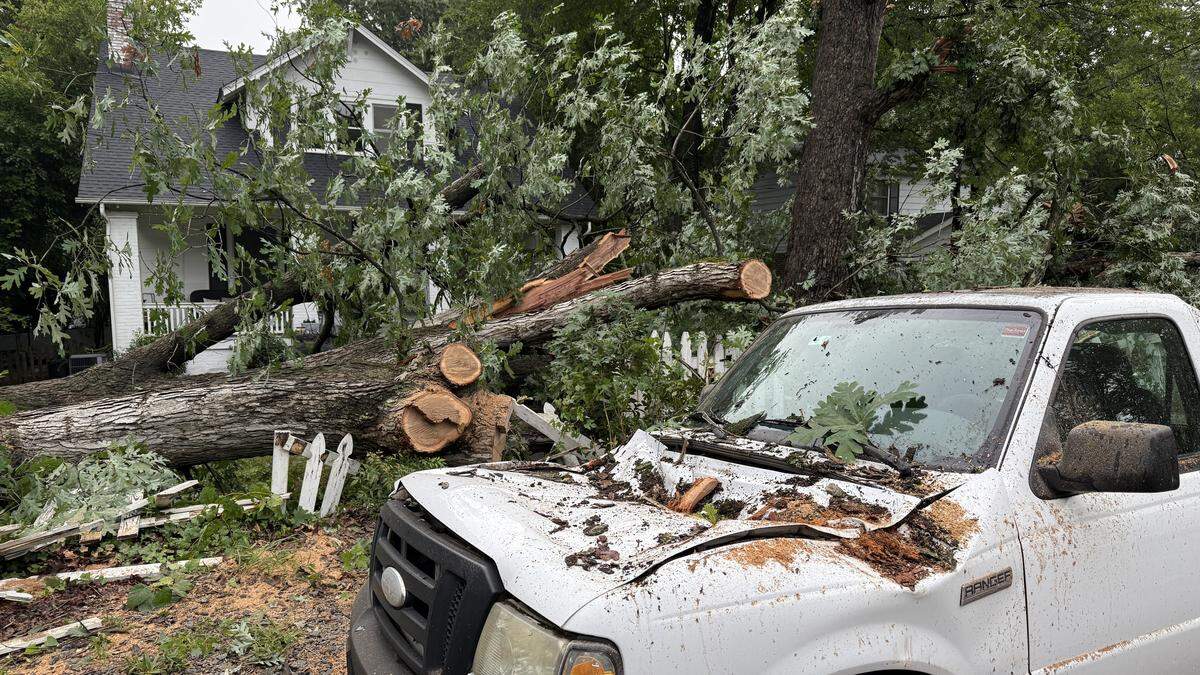
When wind blows treetops, tree trunks act as levers and transfer forces to the roots, which brush against the soil, creating friction. That friction helps keep trees upright, according to the Alabama Cooperative Extension System.
But during periods of heavy or extended rainfall, precipitation fills those voids.
When soil is saturated, it becomes more pliable and doesn’t hold together as well. Tree roots are more likely to slip and slide through it, becoming unstable and less resistant to strong winds, which can uproot trees and cause them to fall.
Trees can fall on vehicles or power lines, leading to outages.
-08-13-2025.jpeg "7-day-total-precipitation-(inches)-08-13-2025.jpeg")
If a tree falls on a power line, crews have to cut and remove it safely before they can repair the line, electric utility Duke Energy previously told The N&O.
Rainfall in NC
July was the 53-wettest July in North Carolina out of the past 131 years, according to the North Carolina State Climate Office. Statewide, the average rainfall was 5.85 inches for the month.
The biggest rain event came early in the month, when Tropical Storm Chantal dropped heavy rain across central North Carolina, including in Orange, Durham, Chatham and Alamance counties.
But the rain didn’t stop after the July 4 holiday weekend. Many parts of the Triangle and central North Carolina continued to receive storms and showers in the weeks after the remnants of Chantal swept across the region.
According to the state climate office, more than 2 inches fell on Durham County on Wednesday, July 9. Chapel Hill, which had its wettest month on record with more than 16 inches, received more than 3 inches of rain on Tuesday, July 15.
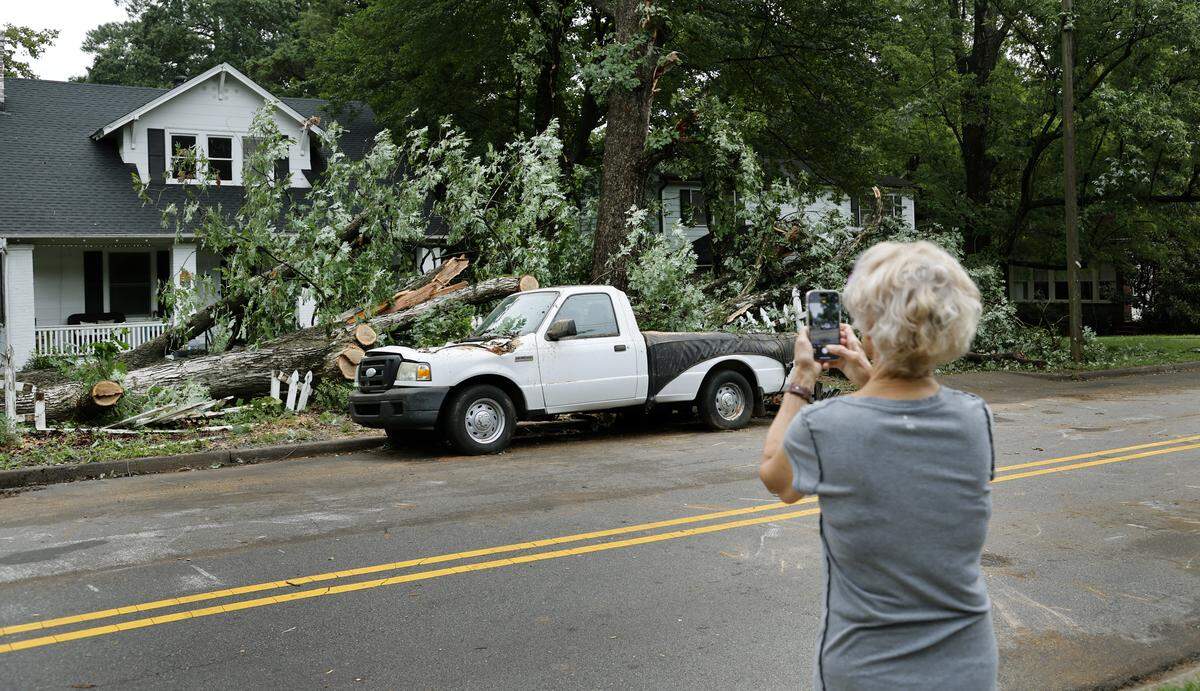
August is off to a relatively wet start.
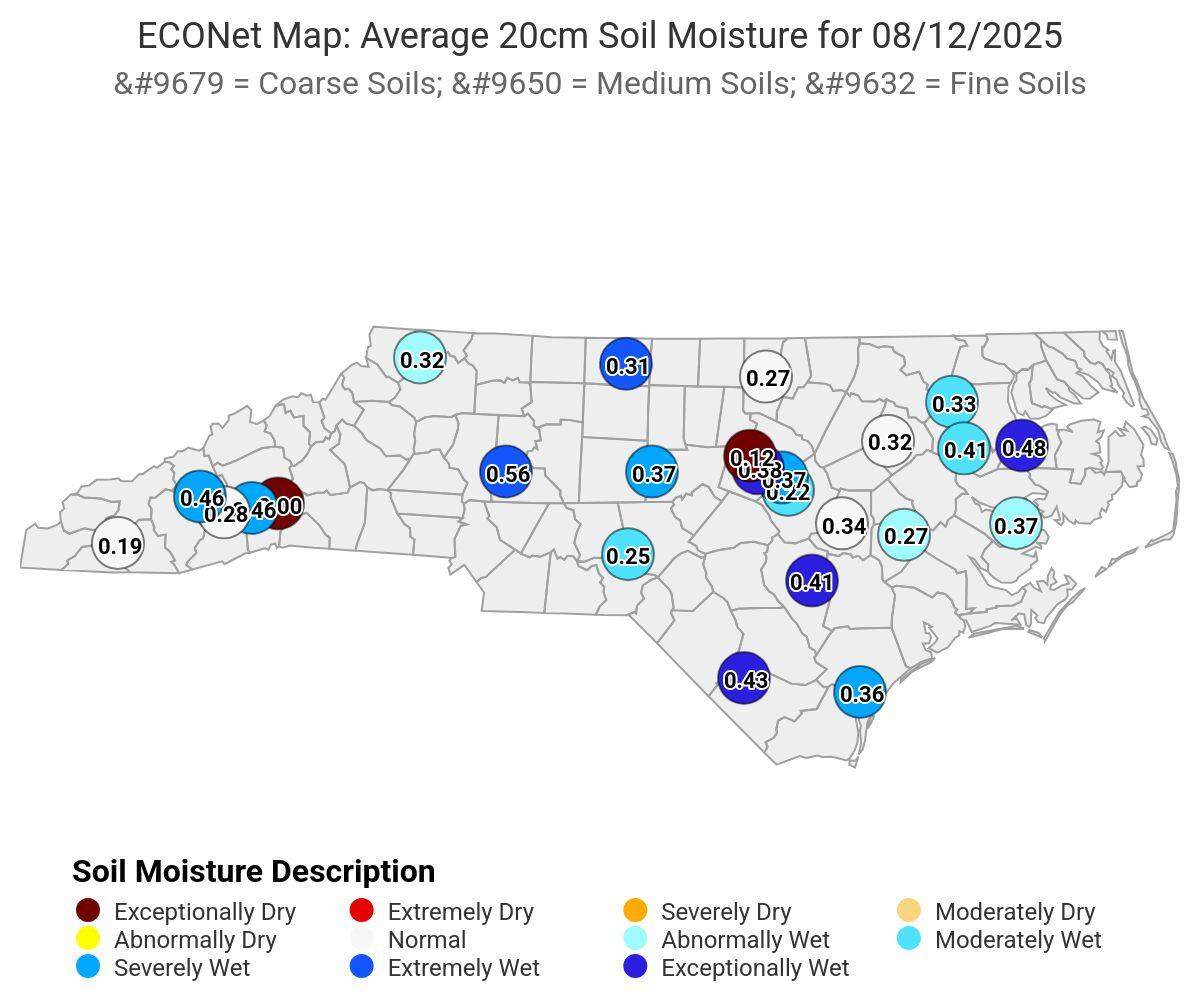
According to the North Carolina State Climate Office’s ECONet map, soil at a Raleigh field lab off Lake Wheeler Road has remained at least “abnormally wet” since early July.
Fall forecast for NC
Based on the National Oceanic and Atmospheric Association’s Climate Prediction Center forecast, the rain isn’t stopping anytime soon.
National Oceanic and Atmospheric Association predicts that North Carolina will receive above normal rainfall during August, September and October.
Its forecasters also expect that the 2025 Atlantic hurricane season will include above normal activity, with 13-19 named storms. Of those, between six and 10 are forecasted to be hurricanes, including three to five major hurricanes.
The first major hurricane could develop as early as this weekend. The National Hurricane Center is tracking Tropical Storm Erin and expects it to develop into a hurricane in the next couple of days.
Erin is the fifth named storm of the 2025 Atlantic hurricane season. The next named cyclone would be Fernand.