Triangle roads may be slick after Monday’s snow. How to stay safe driving
A snowstorm moving into North Carolina’s Piedmont region could create slippery, hazardous conditions for drivers.
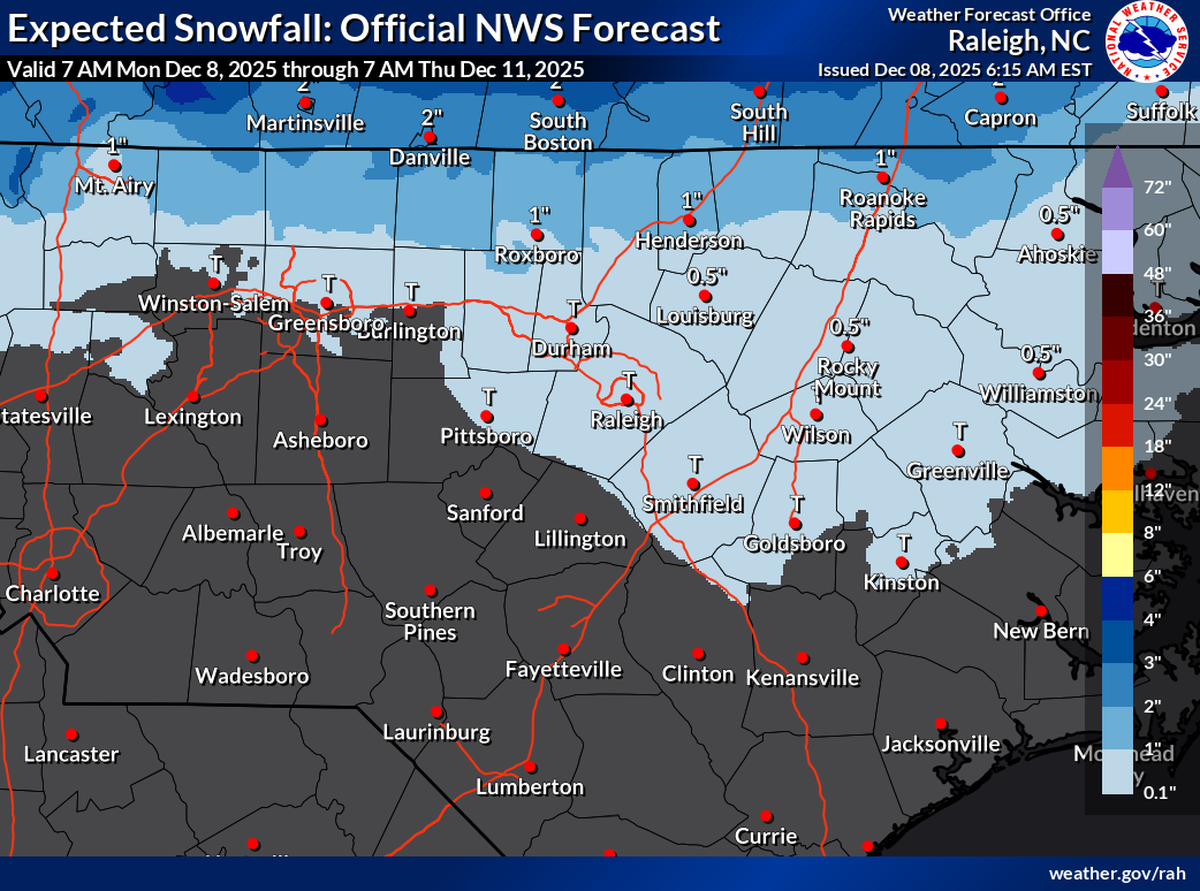
Snow is expected across the Raleigh area on Monday, Dec. 8, prompting a winter weather advisory and the closure of all Triangle school systems, The News & Observer reported.
Forecasts call for up to an inch of snow in the Triangle, with higher totals north of the region and dangerous flash-freeze conditions Monday night as temperatures drop into the teens and low 20s. Most of the snow should fall in the afternoon after a brief rain-snow mix, with black ice likely through Tuesday morning.
Here’s how crews around the state are preparing for winter weather and how you can stay safe.
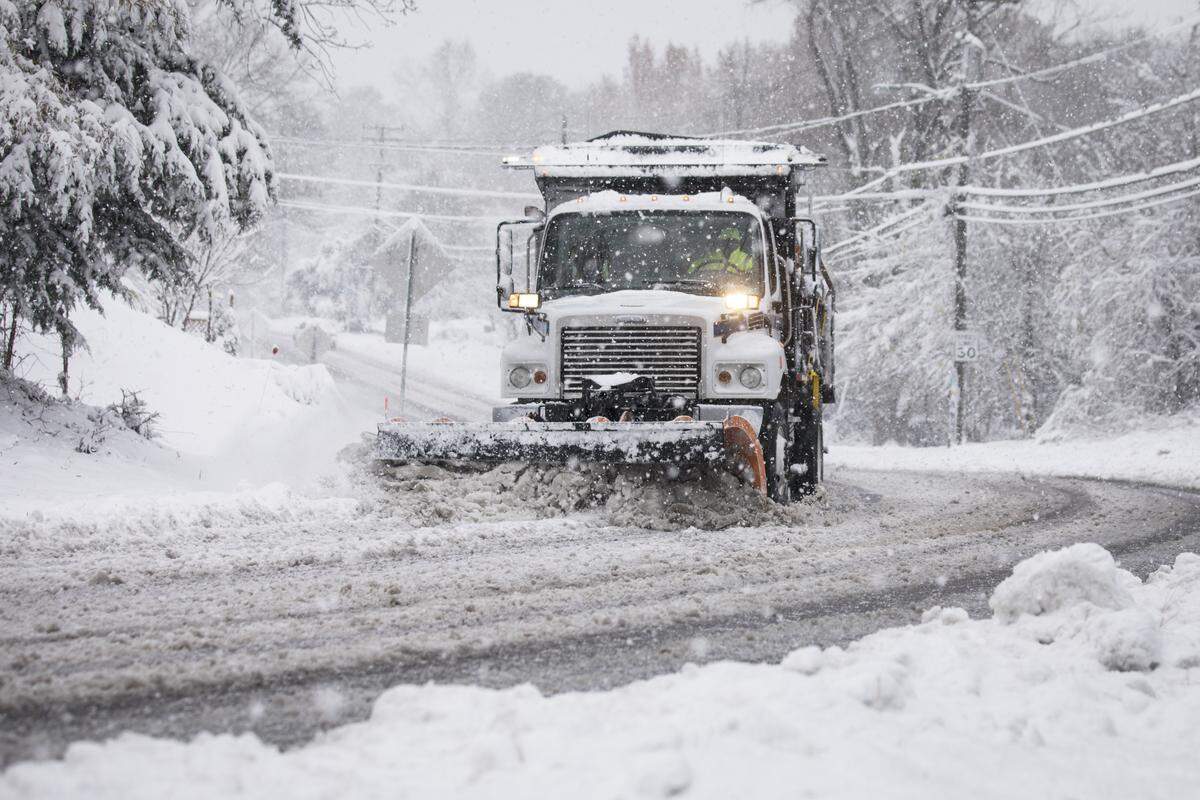
How is NC preparing roads for snow?
N.C. Department of Transportation crews started laying down brine on Thursday ahead of the storm, The N&O’s reporting partner ABC11 reported.
Even a light dusting of snow can cling to untreated roads in Arctic cold, creating slick conditions, Doug McNeal, NCDOT’s division maintenance engineer, previously told The News & Observer.
Brine, a salty water mix, lowers the freezing point and helps keep snow and ice from sticking to the pavement.
The practice didn’t become widespread in North Carolina until after 2005, McNeal said, and it’s most effective when applied to dry roads and when a storm is expected to bring snow rather than freezing rain, which can wash the treatment away.
Does NC still use rock salt on snowy roads?
Yes. For a light winter event, McNeal said brine alone can usually do the job.
But once snowfall amounts grow beyond a thin coating, crews have to add more material, sometimes more brine if the sun is helping melt icy patches, but typically rock salt for anything heavier.
Which roads have snow, ice?
The NC Department of Transportation manages DriveNC.gov, which has an interactive map that shows road closures for maintenance, vehicle crashes and even snow and ice. Toggle “on” the “Snow & Ice” map layer to see which roads and areas are impacted by winter weather in real time.
A snowflake icon means there is snow or ice impacting roads. (”For counties with a snowflake icon, click on the snowflake to see more info,” a winter weather advisory on DriveNC.gov says.)
A “C” icon means the area is confirmed clear.
How to stay safe while driving in snow
The N.C. Department of Public Safety recommends staying off the road during snowstorms, but if you have to drive, you can use these tips to stay safe:
- Use windshield wipers and turn on the low beam headlights.
- Check your tire pressure and battery power (colder temperatures cause the pressure and power to drop).
- Defrost windows.
- Reduce speed and increase following distance, allowing you more time to stop.
- If you start to slide, take your foot off the gas and do not slam on the brakes. Steer in the direction of the skid.
- Watch for shady spots, bridges and overpasses. They will be the first to freeze as the temperatures drop.
- When starting or stopping on snowy or icy roads, increase or decrease your speed slowly. This will help tires keep traction with the road.
- Do not use cruise control.
- Keep your gas tank at least half full at all times to prevent moisture from freezing the lines.
- Carry a stocked emergency kit.
The News & Observer’s Richard Stradling contributed to this report.
This story was originally published December 8, 2025 at 11:34 AM.