Should you drip a faucet to stop frozen pipes? What to know as temps drop in NC
Temperatures in the Triangle are expected to plummet to well-below freezing Monday night, meaning your pipes could be in danger of freezing.
The low for Monday, Dec. 15 night is 21 degrees, according to the National Weather Service, but another forecast suggests it could get much colder than that near the state’s capital. It won’t be much warmer across the state in Charlotte, with a low of 24 degrees.
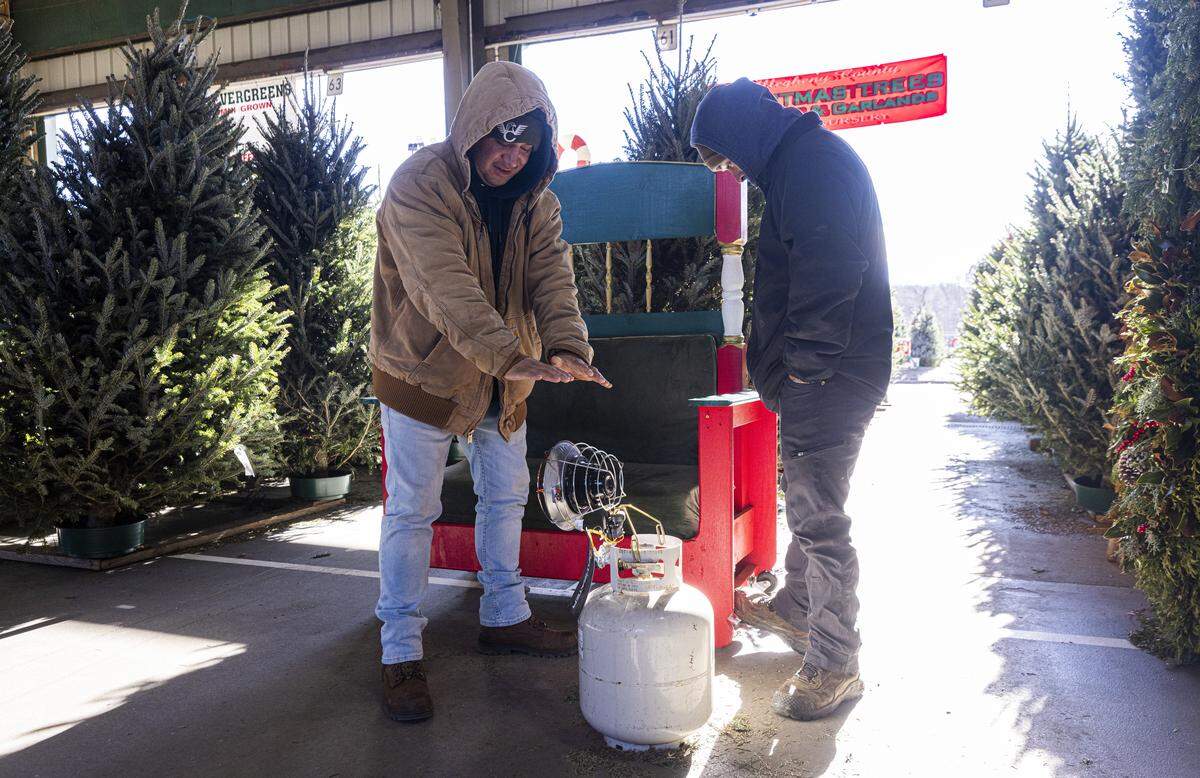
Whether cold temperatures are enough to freeze your pipes largely depends on where they’re located.
Here’s a quick breakdown of how to protect them, whether dripping faucets make a difference and what to do if your pipes freeze anyway.
Coldest in 1,000 days
Triangle temperatures on Monday morning plummeted to 15 degrees, the coldest temperature on record since around Christmas of 2022, WRAL reported. That’s more than 1,000 days.
But forecasts indicate the pattern may shift, with warmer-than-average weather expected as Christmas approaches.
Last week, many in the Triangle looked out their windows to what they probably assumed was a snowy scene. But it was actually graupel, i.e. very small sleet or ice pellets.
How cold does it have to be for your pipes to freeze?
Pipes can freeze anytime it’s below 32 degrees, but insulated pipes usually start freezing closer to 20 degrees, according to home improvement website Angi.
If temperatures stay that cold for four to six hours, pipes may burst, Angi says.
Outdoor pipes can freeze in just a few hours around 20 degrees, while indoor pipes may take up to six hours to freeze at that temperature.
How to protect your pipes
You can take these steps to prevent your pipes from freezing, according to the City of Raleigh:
- Watch the temps: Pipes freeze at 32 degrees, so monitor the forecast and check pipes during cold snaps.
- Insulate early: Wrap exposed pipes, faucets and meters with insulation, especially in cold areas.
- Block the cold: Close garage doors, cover vents and disconnect hoses to keep cold air out.
- Keep water moving: Let a slow drip run if pipes are exposed or prone to freezing.
- Warm them up: Open sink cabinets to help warm air reach pipes near exterior walls.
Should you leave your faucet dripping to prevent frozen pipes?
Some experts say leaving faucets dripping doesn’t actually protect pipes and can even cause drains to freeze, according to Forbes.
But others argue it helps relieve pressure and keep water moving. Top of Line Plumbing says dripping works by replacing near-freezing water in exposed pipes with slightly warmer water from underground. The company still recommends prioritizing proper heating and insulation in areas like basements, attics and exterior walls.
Contact a professional to learn the best method for your home.
What should you do if your pipes freeze?
If your pipes freeze, you should take the following steps, according to Charlotte Water:
- Slightly open your faucets.
- Shut off your home’s water supply.
- Raise the heat indoors.
- Warm frozen pipes with hot, wet towels.
- Contact a licensed plumber, or your landlord if you’re a renter.
Does insurance cover frozen pipes?
Home insurance may cover frozen pipes if the freeze is accidental, but if you didn’t properly maintain or insulate your pipes, your claim could be denied, according to the N.C. Department of Insurance.
If you’re unsure about your coverage, the department recommends checking with your insurer for more information.
Portions of this story were previously published in The Charlotte Observer.
This story was originally published December 15, 2025 at 10:59 AM.