NC’s pollen season has begun. When will it peak? Latest forecasts
AI-generated summary reviewed by our newsroom.
- Pollen season in NC ramps up in March and typically peaks at very high levels in April.
- State pollen sampler records weekdays Feb–Oct/Nov; shows very high days in late Mar–Apr.
- Tree pollen drives regional allergies; many residents report seasonal symptoms.
It’s about that time again.
When you’re smacked in the nose with an itchy wave of pressure and you, blearily eyed, reach for allergy medicine for relief.
Pollen season is underway, ramping up in March before it reaches a crescendo in April, and we’re preparing to be covered in mother nature’s yellow, dusty embrace.
Out on Reedy Creek Road in Raleigh, a machine spins and spins collecting pollen to be analyzed by the North Carolina Department of Environmental Quality’s Division of Air Quality. It’s the only state-run pollen collector, said Shawn Taylor, public information officer for the division. The sampler measures the pollen count as low, moderate, high and very high, and sends out a daily report.
When will The Pollening happen 2026?
“We’re starting to see pollen come into the area where we might see a few high days,” he said. “It spikes at that very high level, and we typically see that in April with that really high tree pollen.”
The pollen sampler collects pollen from February through October or November, and there have been eight moderate and four high days, including two high days this week, for tree pollen.
There have been no moderate or high days for grasses and weeds since sampling began on Monday, Feb. 2, but that’s normal for North Carolina, Taylor said. The Division of Air Quality’s pollen sampler only tracks pollen levels during the weekdays, and data shows a pattern of “very high” days in late March and early April in recent years.
When will allergy symptoms start?
About 29% of women and 21% of men report having a seasonal allergy, according to the American Academy of Allergy, Asthma & Immunology. And more than a quarter of children have at least one allergic condition.
Mayuran Ravindran, an allergist at Allergy Partners of the Triangle, is already starting to see patients with seasonal allergy symptoms.
“Once things start warming up is when we start to see tree pollen coming out and blooming, and then around the southeast, especially in our state, that’s a pretty heavy driver of seasonal allergies,” he said.
It can take a few years for children or newcomers to the state to develop allergies, Ravindran said.
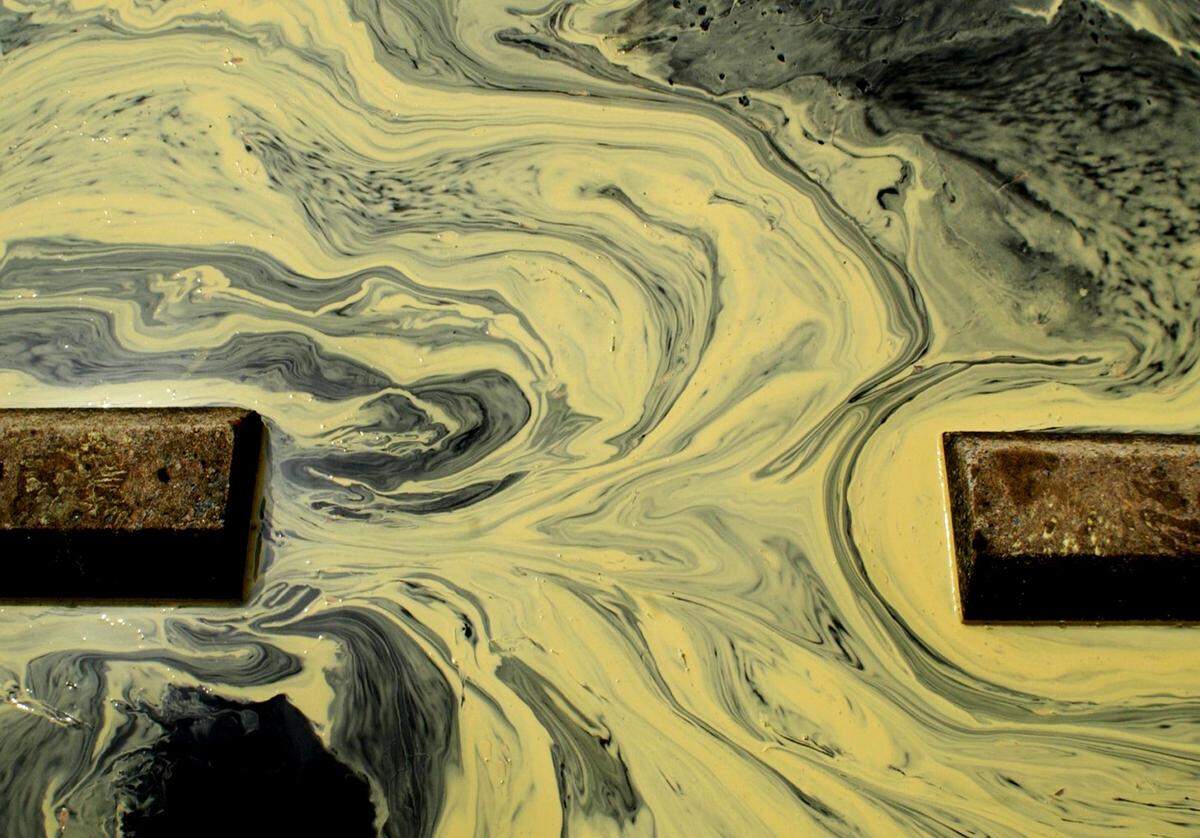
“Usually you have to be in a state and be exposed to a pollen for a couple seasons before your body starts to recognize that and develop an immune response or allergies,” he said.
A person doesn’t “build up a tolerance” to pollen by natural exposure over time, he said, adding it’s common for people who move to the state to not develop allergies until their third or fourth year.
“Our area of the country is definitely on the more extreme spectrum when it comes to pollen counts, especially tree pollen, compared to most other areas of the country,” Ravindran said. “The Southeast, as a region, is just a higher pollen area because of the temperatures and the type of flora we have here.”
How to get a daily pollen report
The state injects bright pink dye to count the number of pollen grains, and the pollen report includes a breakdown for the predominant tree pollen including juniper, cedar, cypress, elm, maple and pine, which is the yellow pollen that covers the area.
You can subscribe to the daily pollen report by sending an email to DEQ.AQ.ask_ambient@deq.nc.gov.
This story was originally published March 5, 2026 at 3:28 PM.