How to prep your fridge for a possible power outage + what foods are safe to keep
A concern that always accompanies power outages is the safety of food kept in our refrigerators and freezers. How long will it be OK after the power is out?
The News & Observer spoke with Ellen Shumaker, a food safety expert at NC State, to learn more about safe food temperatures, how to prepare ahead of time for possible power outages, and what to do if you lose power.
How to prepare your fridge for a power outage
“When preparing for a storm that could include a power outage, we recommend making sure you have a food thermometer on hand and a thermometer for the fridge to make sure it is staying at 41°F or below,” Shumaker said.
If it’s possible to do in advance, buy ice or freeze water to make ice. This can help your quickly warming perishable food stay cool longer in emergency situations.
Thawed frozen foods that still contain ice crystals can be refrozen or cooked, Shumaker said.
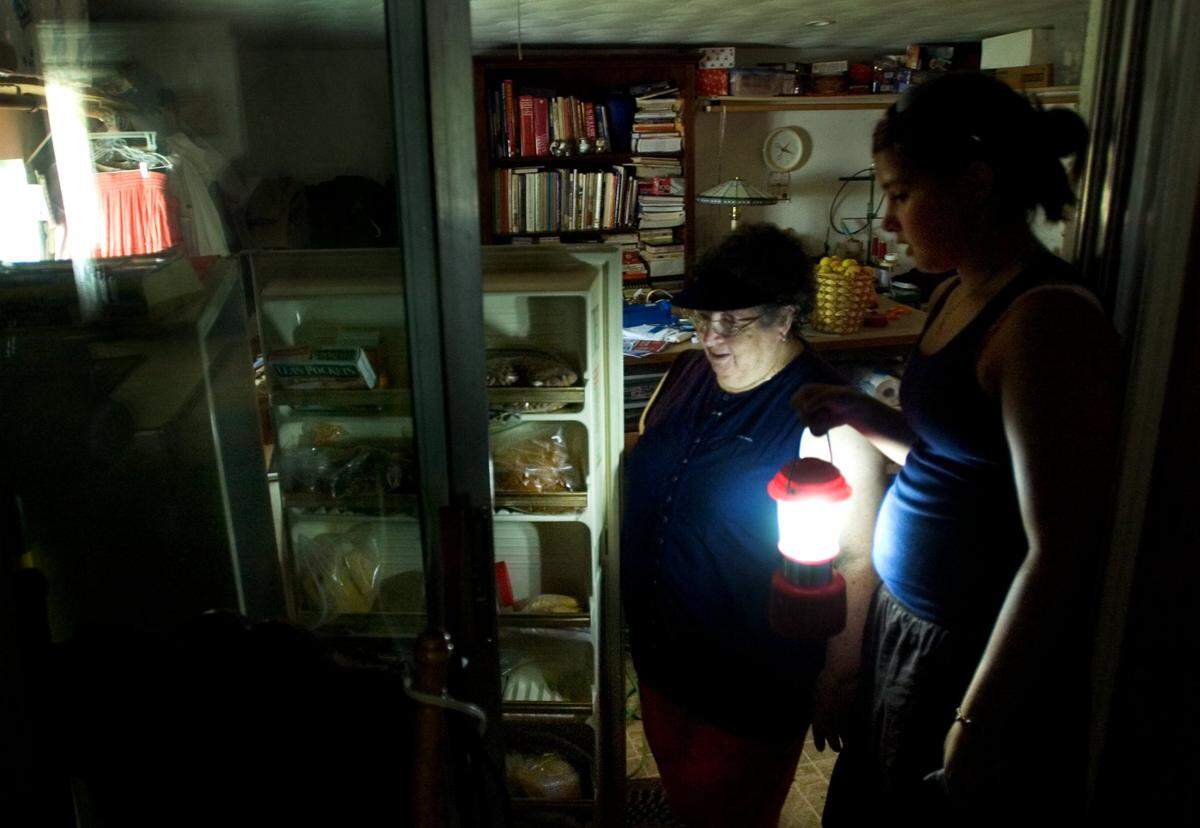
Here’s how you can prepare for power outages, according to the Centers for Disease Control and Prevention:
- Freeze water and gel packs to help your perishable food maintain temperatures of 40°F or below.
- Have a cooler and ice (or frozen gel packs) handy. This can keep your food cold if you need to take it out of the fridge.
- Have dry ice or block ice to keep food at 40°F or below in the fridge, if you think your power will be out for a while.
For more information, visit cdc.gov/foodsafety.
Keep the fridge/freezer door closed during power outage
“Keep refrigerator and freezer doors closed as much as possible while the power is out,” the Centers for Disease Control and Prevention says.
“A full freezer will keep food safe for 48 hours (24 hours if half-full) without power if you don’t open the door. Your refrigerator will keep food safe for up to 4 hours without power if you don’t open the door.”
Throw out these foods during a power outage
You’ll need to discard all perishable foods (including meat, poultry, fish, eggs and leftovers) if your refrigerator has been without power for four hours, the CDC says.
If frozen foods in your freezer have thawed, you should throw those out too.
Here’s a list of foods that should be discarded if they reach above 41°F for more than four hours, Shumaker said:
Meat, poultry, fish, seafood and meat substitutes. This includes those that are raw, thawing or cooked and leftover.
Salads made from meat, tuna, shrimp, chicken or eggs.
Gravies, stuffings or broths.
Lunch meats, hot dogs, bacon, sausage or dried beef.
Milk, sour cream, buttermilk, evaporated milk, ice cream, yogurt, eggnog or plant-based alternatives.
Opened infant formula.
Soft or shredded cheeses.
Egg products, including fresh eggs and egg dishes.
Oyster and fish sauces.
Opened cream-based dressings.
Opened pasta sauce.
Cream-filled pastries, custard or cheese filled pies, quiches or cheesecake.
Refrigerator biscuits, rolls and doughs.
Cooked pasta, rice potatoes, pasta salads or fresh pasta.
Pre-cut, pre-washed packaged leafy greens.
Cooked vegetables or tofu.
Opened vegetable juice.
Cooked potatoes or potato dishes.
Commercial garlic in oil.
Cut tomatoes and cut melons.
Leftovers such as casseroles, soups and stews.
If open mayonnaise, tartar sauce or horseradish reaches a temperature above 50°F for eight hours, toss it.
This story was originally published September 29, 2022 at 10:08 AM.