How to take care of baby squirrels found on the ground after storms
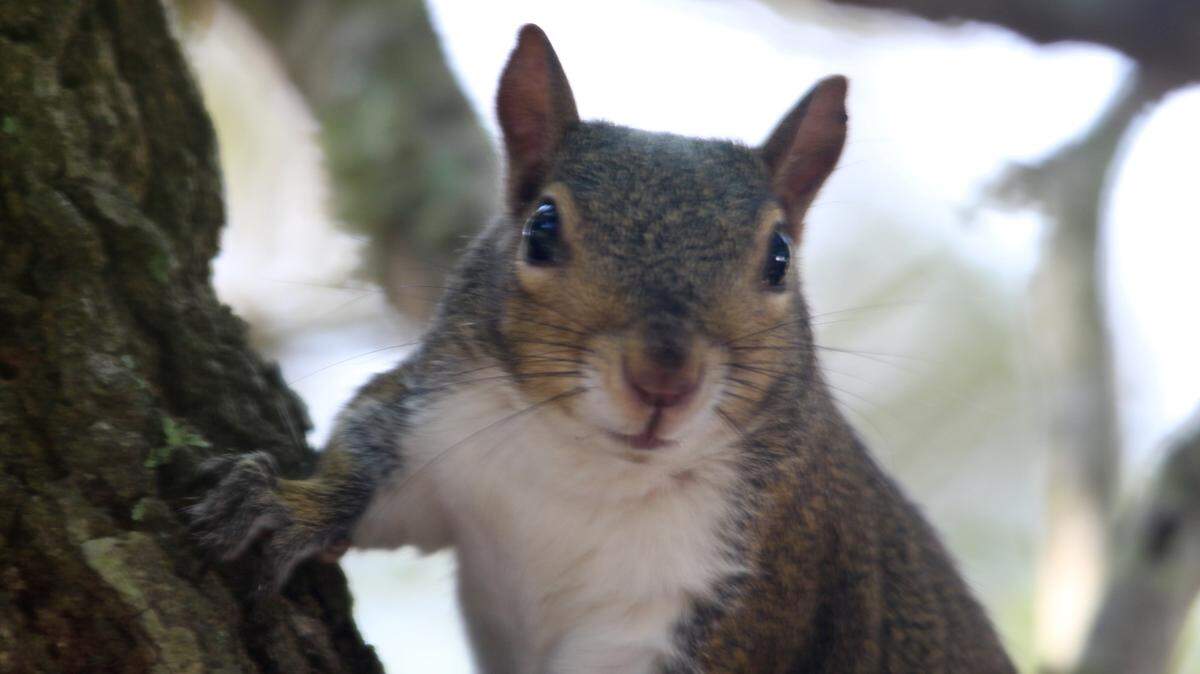
Gray squirrels (North Carolina’s state mammal) raise their second brood of the year during the hurricane season, a time when storms with high winds and heavy rain can cause babies and their nests to fall out of trees.
If you find young squirrels on the ground, where they have been knocked out of their homes in trees, the safest thing to do may just be to leave them alone.
How to help ‘abandoned’ baby squirrels
Even though you probably really want to, it may be best not to take any action to help the squirrels, say wildlife experts.
“A good practice is not to assume immediate intervention is the best way to help,” Falyn Owens, extension biologist for the North Carolina Wildlife Commission, said in a news release. “Pausing long enough to consult a wildlife professional before moving or caring for the animal can greatly increase its chance of survival.”
Here’s why.
When a squirrel’s nest is disrupted and young animals fall out, the female works quickly to find her young and carry them back to the nest. If destroyed, she’ll build a new nest and bring them to it as fast as possible.
“Not all young animals found by themselves have been abandoned,” Owens said. “Humans simply are not as good at taking care of young wildlife as their mothers.”
Remember to never take a wild animal home. Not only can caring for an animal (especially a young one) in this way cause harm, but it’s also illegal.
While people may want to care for young animals found seemingly abandoned, it can be detrimental — or even deadly — to feed an animal food or drink.
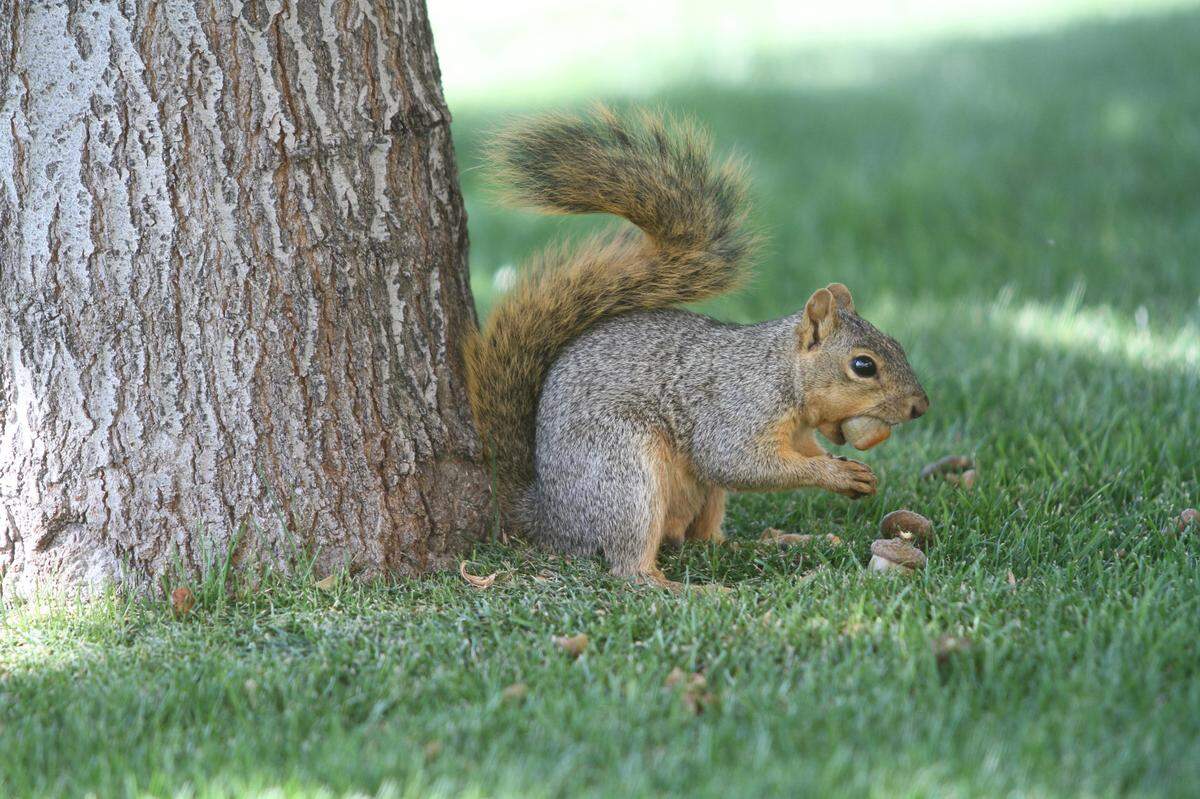
Who to contact for fallen baby squirrels or other wildlife
Only licensed wildlife rehabilitators who have received proper training should care for wildlife to ensure they’re properly released healthily back into the wild.
To get in touch with a licensed wildlife rehabilitator, look to the N.C. Wildlife Commission website: ncwildlife.org/Injured-Wildlife
This story was originally published September 29, 2022 at 2:11 PM.