
Here's how it feels to live 121 miles from Kim Jong Un
Rewind to 2013. It’s the day after Christmas and I’m 23 and boarding a 15-hour flight to Seoul where I will spend the next year teaching English. I’ve never been to Korea, I do not speak Korean, and I do not know any Korean people. I am alone and anxious, but my wanderlust fuels this “exotic” post-college adventure.
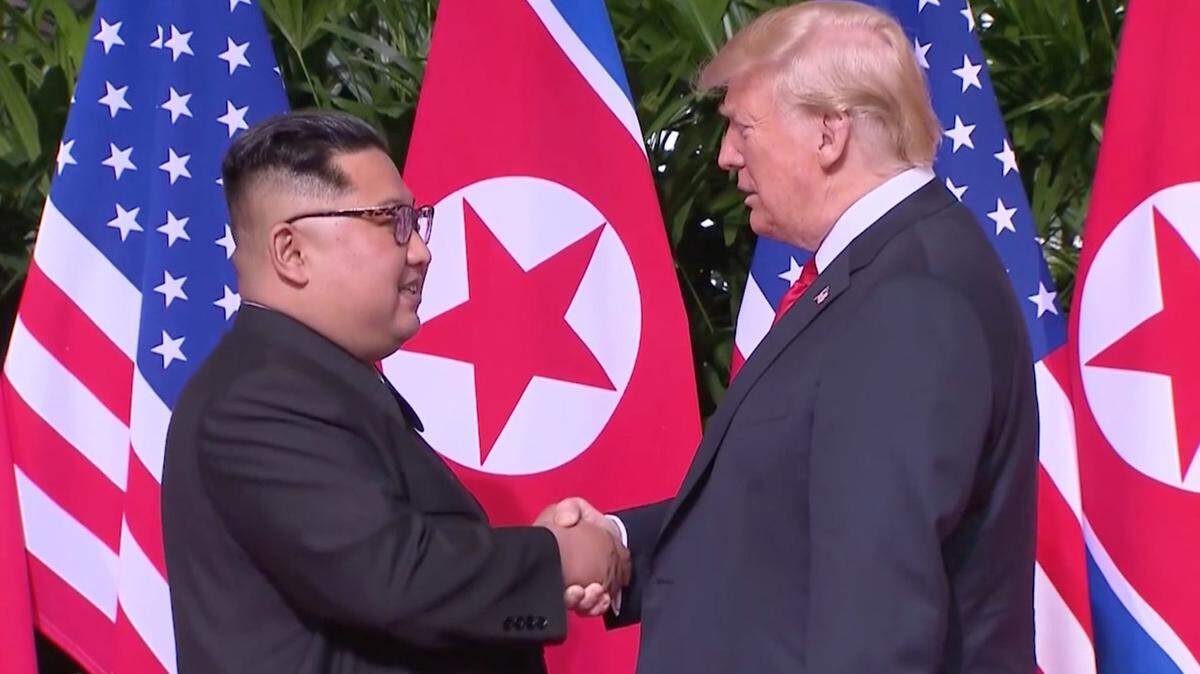
The recent meeting of Trump and Kim Jong Un pushed me back in time to my year abroad—and not to the memories of drinking soju at the noraebang (Korean karaoke room). Everyone thought it was wild for me to willingly move 121 miles from Pyonyang. Why should I move to a place regularly burdened by threats and missile tests from their northern neighbor? I just convinced myself that the 25 million people in Seoul knew something that I didn’t, otherwise they wouldn’t stay.
When I arrived in Seoul, I began to investigate South Koreans’ perceptions of North Korea. Were they afraid? Did they think a world war would break out? Was peace possible? I was surprised at their responses.
“He’s just a bully, but he’s not dumb enough to try anything.”
“We’ve been dealing with the threat of North Korea for years. At some point, we have to move on with our lives.”
Some spoke of friends with family divided among the countries and their desire for reunification. People called Kim “evil.” They acknowledged his “Reign of Terror,” but still believed he should be ignored, written off as nothing more than a nuisance to the country and its people.
Of course, this was not a reliable or valid research study. It was just my experience and the thoughts and beliefs of the young people with whom I interacted. But I believe it provided a more realistic perspective than what is aired on American media.
I bought into what my Korean friends believed and felt, and I even forgot North Korea existed at times. That is, until my parents would text me about something they heard on the news back home and ask if I was OK. While I could not read Korean newspapers, not once had I heard about any threats or attacks while in South Korea from Korean friends or coworkers.
Now, I’m back in the U.S. and back to watching the stories on the news and I’m scared. Based on my conversations with my Korean friends, I perceive their fear is rising and their feelings are different now than they were in 2014. I believe much of it is due to the increased legitimacy given to Kim Jong Un, but I wonder how much is related to his new relationship with our president.
Things I never thought could happen have happened under the Trump administration, and I don’t underestimate Trump’s willingness to make decisions that serve only himself and endanger millions of lives. Any negotiation or partnership with North Korea makes me fear for the future of what was once my home and the people I love who live there.
It can be easy to forget horrors happening across the globe when it’s not personal. Rather than wait to offer our thoughts and prayers in the aftermath, we must take action now to prevent escalation and destruction.
I will be watching this new relationship very closely because this, to me, is personal.