
The clearest path to improving economic mobility
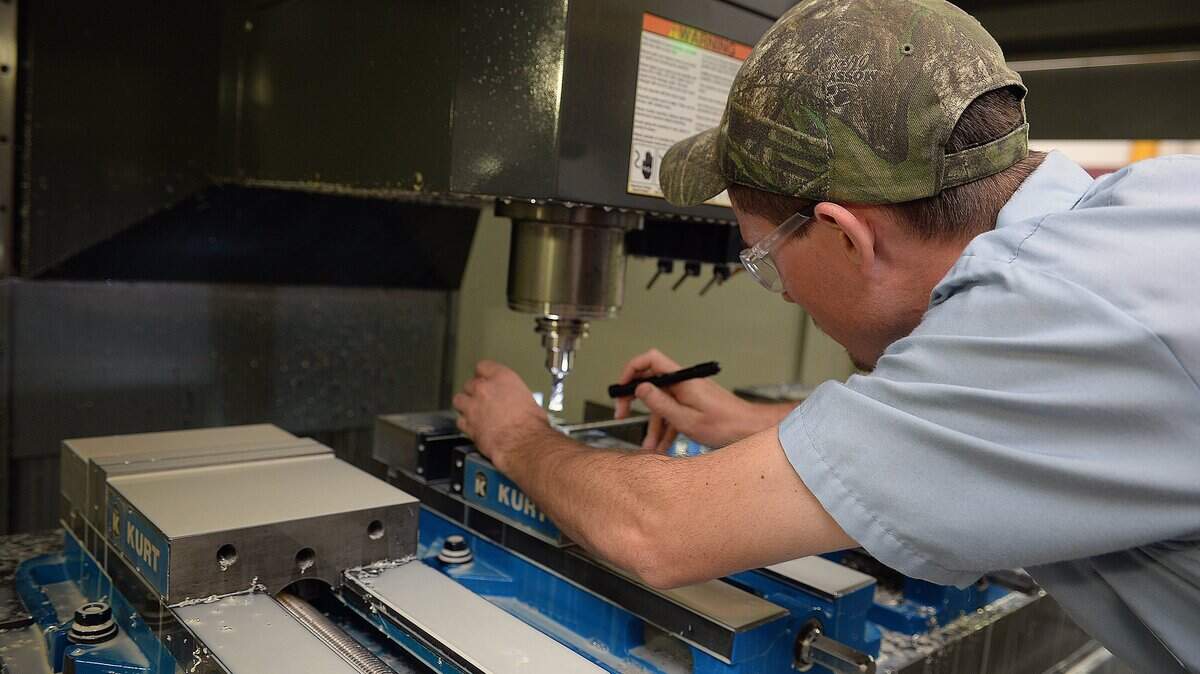
Improving job skills lies at the heart of many of the most pressing issues facing North Carolina, including increasing economic mobility and recruiting and retaining new industry. Job training typically receives the most attention when the economy is struggling and the unemployment rate spikes. That was certainly the case during the Great Recession, which saw enrollments surge at area community colleges as the unemployment rate spiked into double digits. That investment in job training paid off and helped engender a strong and durable economic recovery.
Today, with North Carolina’s unemployment rate nearing 4 percent, job training is just as important. With fewer people out of work, employers are having a tougher time finding and holding onto the workers they need. There are just about as many job openings today as there are unemployed people. Unfortunately, many of those that are unemployed do not have the skills employers are currently looking for. Just over half the employers who tried to hire workers in North Carolina during the past year had difficulty filling at least one position, which is up from 40 percent in 2016.
While North Carolina’s strong population growth means businesses are likely finding it easier to fill jobs here than businesses in many other parts of the country, it is not as easy as it was a few years ago. Builders, logistic firms, manufacturers and most businesses in STEM fields are all struggling to fill open positions, as are many firms in the hospitality sector. And filling open positions is even more difficult outside of Raleigh and Charlotte, which have been magnets for recent college graduates and young persons in general that have moved there to take jobs at financial firms, professional service providers, tech companies and in the hospitality sector.
But it is not just employers that are losing out. North Carolinians face significant challenges with economic mobility that go well beyond Charlotte’s widely publicized last-place finish among the 50 largest metropolitan areas in a Harvard-UC Berkeley study. The truth is that a child born to a family in the lowest income quintile in any of North Carolina’s large metropolitan areas has only about a 1 in 4 chance of moving up to earning a middle- or upper-middle income in their lifetimes. The challenges are even greater in many of the state’s smaller towns and rural areas.
Improving job training is the clearest path to boosting economic mobility and it all starts with securing a quality education, preferably beginning with pre-K. That quality education does not simply mean preparing students for college but rather preparing them to deal with the ups and downs of life. An education provides you the opportunity to call an audible when things change.
The state has a number of excellent training programs but needs to increase the awareness of these programs earlier in the education process so that more people are able to take advantage of them. Students should also spend more time building and fixing things. This will not mean that everyone will suddenly want to become a plumber, electrician, lab specialist, HVAC technician or any other hard-to-fill, well-paying profession but it will likely increase the number that do. And while that may seem like a small step it just might pave the way for greater gains in economic mobility.