
12/25 Letters: It’s hard for whites to see white privilege
Once in a great while I agree with a J. Peder Zane column. I haven’t his last two. In the most recent (“Fight over Silent Sam is just one piece of a broader battle,” Dec. 20) he describes his disdain for divisive buzzwords like “white supremacy” and “white privilege,” “patriarchy” and ‘toxic masculinity.” Furthermore, he claims those he disagrees with believe white males have gamed the system to preserve their station. They have.
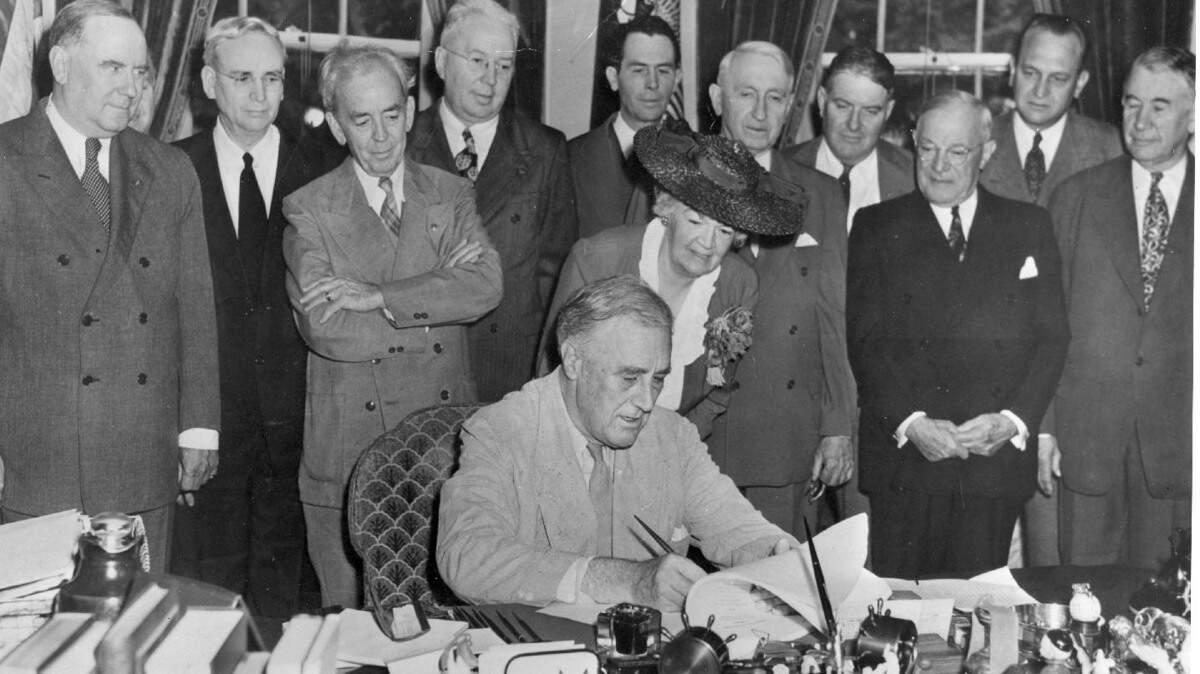
I offer an example of what, I assume, Zane has never considered gaming the system by white males. While we don’t use the term “affirmative action” for the GI Bill, that is exactly what it has been for white males. White males were offered tuition and expenses for education after WWII (black males weren’t allowed to enroll in most colleges, the first person of color to graduate from NCSU was 1961). White males were given down payment assistance and mortgage rate reductions for houses (black males were denied loans because of their color and were eliminated from consideration because of redlining).
I don’t mean to say those who passed the GI bill were racist, they were trying to help people. I do mean to say that when you have white privilege you aren’t even aware of the systemic bias.
David Stinson
Hillsborough
Merry Christmas
I pray that this year we will be able to be a blessing to someone who is being challenged through situations in their life. Prayerfully, this simple message of love which was given to us over 2,000 years ago can touch the heart, mind and soul in a special way this Christmas.
All for the Glory of God.
Valerie Foy
Charlotte
Lacking doctrine
Robert Mulder of Raleigh writes (“Compounded abuse,” Dec. 20) that people are leaving organized religion because of sexual abuse by clergy and that “it’s easier to find one’s spiritual center without being yoked to dogma and doctrine.” It seems to me that the problem with these profoundly offending clergy is precisely that they are not yoked to dogma and doctrine.
It is easy to find fault with any human institution. It is more difficult to be objective and fair — condemning the evil and praising the good.
Rabbi Jonathan H. Gerard
Chapel Hill
Protect food stamps
With the possibility that Democrats may regain control of our government, it’s not surprising to see the conservative wing trot out the threat of our ballooning national debt as a rallying cry.
Garland A. Tucker, III, in his op-ed piece camouflaged by a headline referencing the farm bill, argues that entitlements, among them food stamps, will bankrupt the next generation. While it is true that the national debt may lead to an economic crisis for this country, Tucker and the John Locke Foundation seem blind to the cause and ignorant of any solution.
First of all, Tucker blames Democrats for the spiraling national debt, ignoring the the dominant role of Republican administrations in advancing said debt. Beyond that, Tucker fails to recognize the economic basis for the need for food stamps: the inequitable distribution of income and wealth in this nation. When he states that “government has massively redistributed income,” he totally misses the point. Government has not redistributed income, it has merely taken out a loan.
Getting rid of food stamps won’t provide much of a solution. You can’t get rid of poverty simply by starving the poor.
Forrest L. Smith, III
Holly Springs
Negative effects
I hate to spoil so much romance, but the story about the Durham City Council’s unanimous approval of a development that would put 38 “high-end, expensive townhouses” in Forest Hills has little to say about the downside of such projects (“Duke family estate will be developed into high-end, expensive townhouses,” Dec. 19). High-end, upscale, luxury, expensive townhouses and apartments have sprung up all over downtown Durham and more recently in residential neighborhoods.The assumption behind this building boom is that many people will be moving to Durham, all with the means and desire to live in pricey residences.
This development does not address Durham’s lack of affordable housing and the growing divide between rich and poor. The perception that an area attracts the affluent raises property values, but it also raises property taxes and home prices with the result that many of the young people and senior citizens who moved into inner city neighborhoods earlier can not afford to live there now. Fears that “denser housing’ would cause the neighborhood to lose its quiet, residential character are justified. The upheaval and noise of construction will be followed by the traffic and congestion inevitably accompanying so many units. No everyone has reason to celebrate.
Lynn Mitchell Kohn
Durham