
As the NC GOP hails tax cuts, most incomes stagnate and poverty remains high
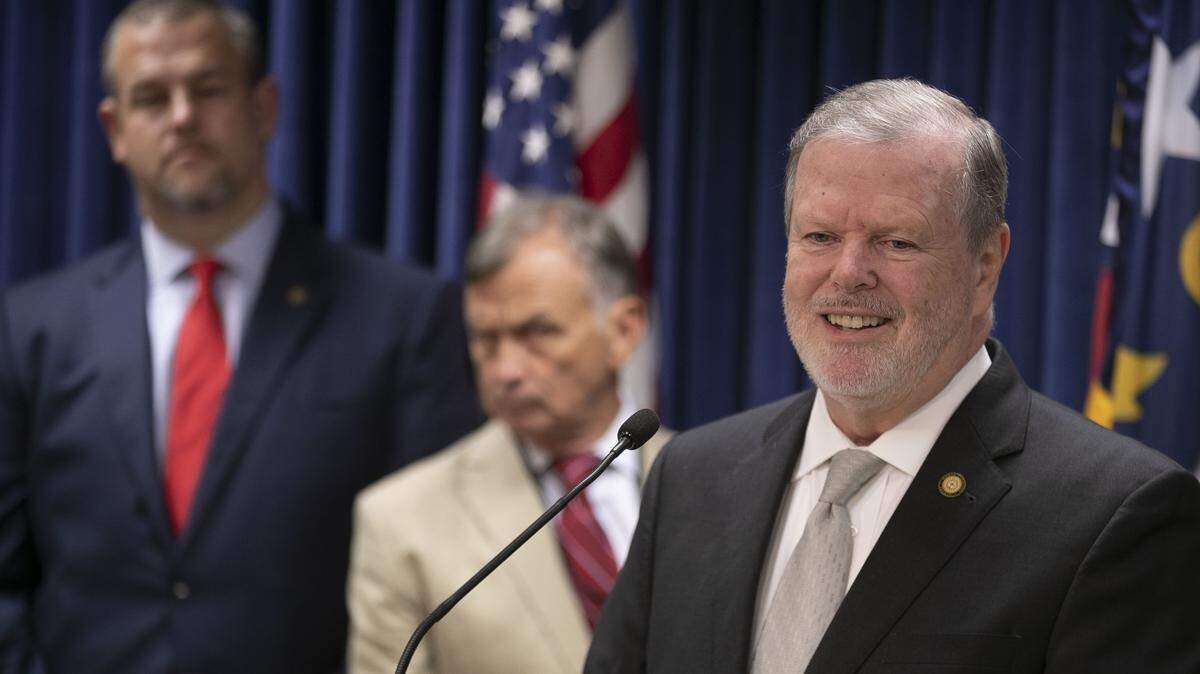
Senate leader Phil Berger has a knack for spinning a compelling yarn, even when he doesn’t tell the whole story. The senator’s recent op-ed was a classic example.
Berger paints a rosy picture of North Carolina’s economy and conveniently casts his tax cuts for wealthy people and big corporations as the hero of the story. It all sounds nice, but in claiming credit for fixing an economic system that leaves far too many North Carolinians out in the cold, Berger distracts from hard economic realities his policies have failed to remedy.
Like most good fables, Berger’s does have a kernel of truth in it. Our economy is in much better shape than a decade ago when the country was staggering to recover from Wall Street speculators driving the global economy into the ditch. Economic prospects across the country have brightened since those dark days and North Carolina has continued a multiple decades-long trend of expanding population.
But we can’t stop there and declare victory.
Most families in North Carolina aren’t getting ahead in the way Berger is portraying it. The typical family income is slightly higher than it was in 2010 when we were just exiting the Great Recession, but the median income still buys less than it did at the turn of the Millennium. Our labor market is increasingly segregated between handsomely-paying white collar careers and low-wage jobs that don’t bring in enough to get by. We’ve lost many of the middle-income jobs that used to be the pathway from entry-level positions to a more comfortable life. Berger’s tax cuts haven’t fixed that problem.
The lack of good job opportunities has an even more devastating impact on communities and families trying to escape poverty. Our state has one of the highest rates of poverty in the country and last year (the most recent figures available) over 1.4 million North Carolinians were under the incredibly low threshold the Federal Government defines as the poverty line (less than $26,000 for a family of four).
Poverty is widespread but imposes a particularly harsh weight on some communities. One out of every five children in our state was in poverty last year, which should be enough in-itself to stop any elected leader from claiming their economic policies are working. We have also failed to dismantle the long-standing obstacles to opportunity which trap Black and brown North Carolinians in poverty far more often than their white neighbors.
North Carolina’s economic growth under the current tax cutting regime has been remarkably unremarkable. Job growth since 2010 has been identical to the regional average and slower than South Carolina and Georgia. The low tax mantra is also hard to square with the fact states along the West Coast which aren’t as allergic to taxing wealthy people and corporations added jobs faster than North Carolina over the last decade. Clearly having the lowest corporate tax rate in the country hasn’t propelled us to the lead of the pack.
While failing to boost economic growth, tax cuts have dramatically undermined many of the public services that we all, including private companies, rely on. A lack of funding leaves teachers and parents picking up the tab for supplies and school buildings in dire need of repair, our roads and bridges need work, huge parts of the state still don’t have decent internet, failing to expand Medicaid is literally killing North Carolinians who would otherwise be covered, pollutants poison our water and soil, families can’t afford the childcare they need to work, and the list goes on.
Senator Berger isn’t alone in spinning stories to defend his policies. The real question is how much truth gets sacrificed, and the consequences to people whose lives are written out of the story.