
Renewable wood energy has a critical role in fighting climate change
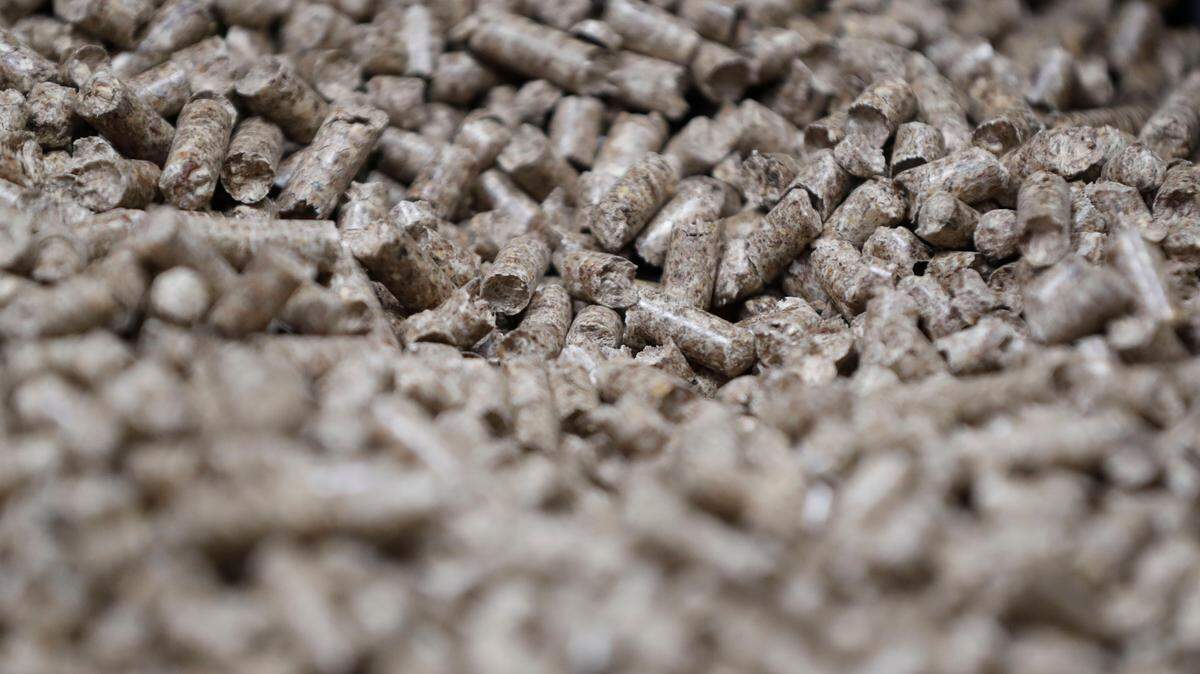
I had the privilege of founding Enviva more than 15 years ago with the simple purpose of fighting climate change with effective solutions that could be implemented immediately. Today, Enviva is the world’s largest producer of wood pellets, a renewable alternative to coal, and wood-based bioenergy is part of an all-in renewables strategy to reduce carbon emissions and limit dependence on fossil fuels.
We have had tremendous impact. In the UK, a core Enviva market, coal now accounts for less than 2% of electricity generation, down from one-third 10 years ago, due in part to the wood pellets we provide. Our customers there and around the world have placed their trust in us for the long-term, with many signing contracts beyond 2040. Our business is robust. We have a bright, sustainable future ahead.
Unfortunately, the News & Observer this week published a series on renewable wood energy and Enviva, seeking to tell a very different story of the role we play in fighting climate change. To be clear: we welcome rigorous journalism, but such reporting must be based on a balanced view of the facts and science, not anti-forestry activism.
So, this is why I am sharing with you the facts and science about bioenergy and Enviva:
The world’s leading authority on climate science is the United Nations Intergovernmental Panel on Climate Change, or IPCC. The IPCC explicitly recognizes bioenergy as a renewable energy source that is a critical to our low-carbon future. It includes bioenergy in every single one of its proposed pathways to limit warming to 1.5°C. The IPCC also concludes that sustainable forest management, aimed at providing products like timber, fiber, and bioenergy, is critical to preventing forest conversion to non-forest uses.
Support for bioenergy also comes from numerous other international experts, including the International Renewable Energy Agency, the European Forest Institute, the U.S. National Association of University Forest Resource Programs, to name a few.
In other words, according to the world’s foremost climate experts, we need bioenergy both to replace fossil fuels and keep forests as forests.
Justin Catanoso and Saul Elbein, two writers in this series with a history of opposing our industry, conveniently failed to mention the longstanding and widespread support for renewable wood energy. In fact, bioenergy has been endorsed by the U.S. Environmental Protection Agency under both Democratic and Republican administrations. More recently, a group of 100 forest scientists from over 50 universities joined the IPCC in embracing the environmental benefits of wood bioenergy. And, just last month, the International Energy Agency again emphasized the important role bioenergy plays in fighting climate change.
Our industry is a critical part of maintaining healthy forests. Today, in the southeast U.S., private forest owners grow 40% more wood than they remove every year.
That makes sense: Demand for forest products like bioenergy raises the value landowners receive by keeping their land as managed forests. Absent strong demand, landowners have the incentive to convert their forest land to agriculture or to housing or strip malls.
We strive to be a good partner in the communities where we live and work, for instance by voluntarily investing in new emission control equipment well beyond legal requirements.
Most importantly, we are proud of our employees and the contributions they make in their communities. In North Carolina, Enviva’s facilities directly employ nearly 500 people, support nearly 1,000 indirect jobs, represent a more than $500 million investment in the state, and are part of a broader North Carolina forest products industry of over 160,000 jobs.
We appreciate the support we have received from North Carolina and look forward to working together to fight climate change.
This story was originally published January 7, 2020 at 11:22 AM with the headline "Renewable wood energy has a critical role in fighting climate change."