
Neal Peirce shaped a vision of the Research Triangle
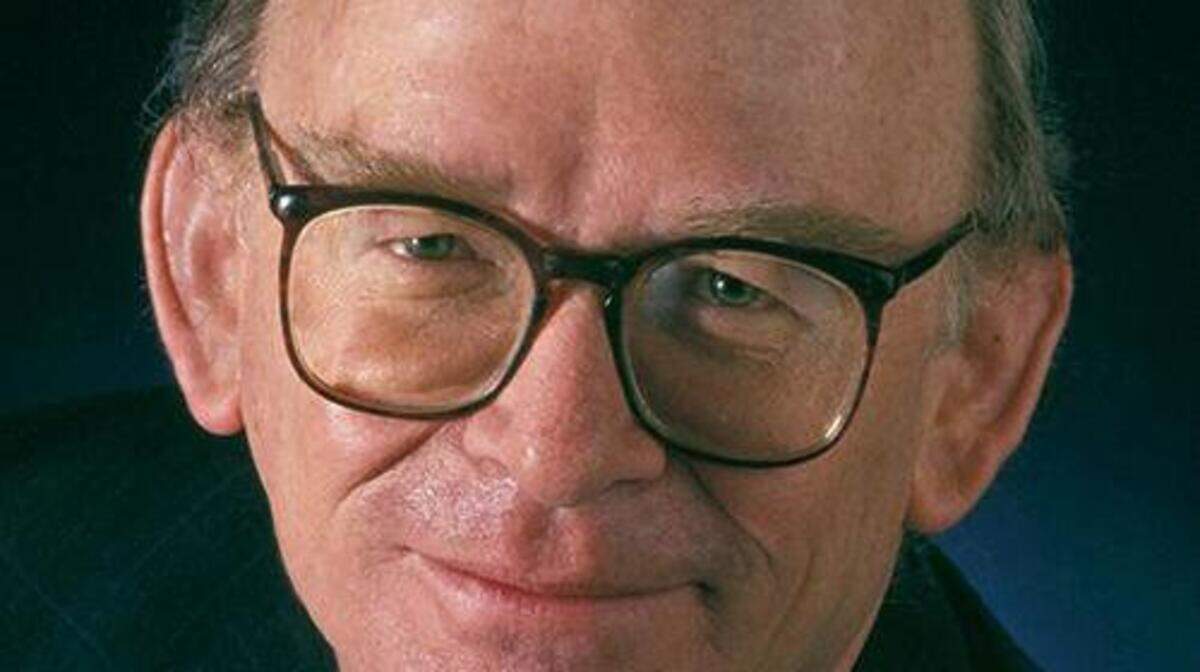
As often happens this time of year, we learn about the passing of someone advanced in age – someone who, in the recesses of our memory, made a big impression. That was the case last week when I read of Neal Peirce’s death at the age of 87. For those engaged in this area’s civic life in the 1990s and early 2000s, Peirce made a big impression.
After speaking at a World Class Region Conference in 1993, the News & Observer commissioned him to write a “Peirce Report” on the Triangle Region. It ran on the front page for multiple days and captured the attention of many local leaders. In the years that followed, Peirce focused on the important work of regions as a syndicated columnist and chair of the CitiStates Group where he continued to be a thought leader.
It would be a mistake to judge Peirce solely from the content of his report. His suggestion that development be focused near RDU Airport was misplaced. His recommendation for a regional leadership group, which became the Greater Triangle Regional Council, failed to take hold.
Nevertheless, Peirce’s life reveals a more profound lesson for leaders today. He began his career at the Congressional Quarterly, founded the National Journal, and lived his life in Washington, DC. Yet he realized the energy of this nation lie elsewhere. As Washington atrophied under a cloud of partisan gridlock, Peirce discovered and lifted up the innovations occurring elsewhere. He spent two weeks each month interviewing leaders in cities and regions across the country.
From these trips, Peirce learned a central lesson. The best ideas and greatest impacts come from the hard work of collaborations among nonprofits, community organizations, elected officials and businesses. “Such groups, he reported, formed a hive of ideas that generated unorthodox strategies to enhance local quality of life,” as noted in the New York Times on his passing. It is no surprise the Peirce Report and many of his other columns returned to these unique alliances for inspiration.
This profound insight runs deeply through our own history: the creation of Research Triangle Park, the merger of the Wake County public school system, the reopening of Fayetteville Street and the master plan for Dix Park. Each hinged on the ability to harness multiple perspectives and engage them in the constructive work of community building.
As we embark on new challenges like the crisis in affordable housing as well as old ones like regional transit between Raleigh and Durham, we can look to Peirce for inspiration -- not necessarily in the specifics of his report but in the guiding principles of his life.