
Black voters need to make their votes count beyond Election Day
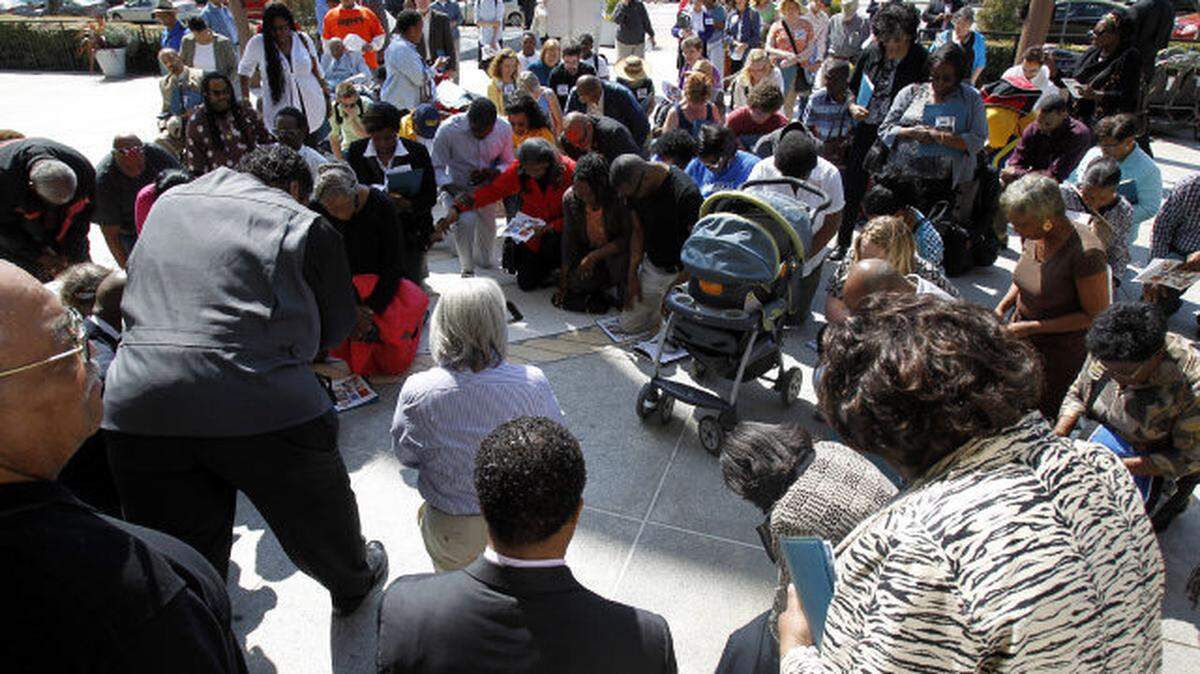
Politicians won’t stop taking black voters for granted unless we make them. Let’s start right here in North Carolina.
Black voters all know the drill. Political candidates show up a month before an election and beg us to vote. And then when they’re elected, we never hear from them again. All that talk during the election about improving our communities, investing in our infrastructure, and addressing our many other needs — it never turns to action. Then another election rolls around and the same cycle of broken promises repeats.
That vicious cycle ends when we, the voters, end it. Black voters have been essential to North Carolina becoming a more progressive and politically competitive state. While in 2004 white voter turnout in North Carolina surpassed black voter turnout, in 2008 that trend switched. And again in 2012, the percentage of registered black voters casting ballots on Election Day surpassed the percentage of registered white voters. But that trend reversed itself in 2016, in large part not because of black voter disinterest but deliberate voter suppression. One analysis found that in North Carolina counties that didn’t face active voter suppression, black voter turnout in 2016 was 91% of the 2012 turnout rate — noticeably higher than the statewide average of 82%. But in counties where polling places were shuttered due to voter suppression efforts, black voters turnout at just 72% of 2012 rates.
And there’s the ridiculous paradox — that while some political leaders are taking black voters for granted, others are actively suppressing our political rights. But where are the politicians who are actually fighting for black voters — not just during election season but year-round, year after year?
The need for black voters to have a voice in North Carolina couldn’t be clearer. North Carolina residents face tremendous racial inequality, with the median household income of black households in 2018 at $34,000 — significantly below the median household for white households of $53,000. Of the 58% of black families who rent, for fully one-quarter of those families their rent takes up more than half their income. The statewide unemployment level for black people is twice as high as it is for whites. And insufficient investment in infrastructure, education and transit make it disproportionately more difficult for black workers to cross the lines of segregation that help us get better jobs.
But we don’t solve these problems just by documenting them. We solve them by increasing our political power and electing politicians who push for comprehensive solutions to the many problems black voters face. And we don’t get there by shaking our fists. We get there by organizing and demonstrating our power.
And now, in Raleigh, North Carolina, the National Black Worker Center Project has recently launched Black Voices, Black Votes, which will create a comprehensive policy agenda for our community and organize black neighborhoods to hold elected leaders accountable. To this end, so far this year we have conducted over 3,000 one-on-one surveys on the concerns and priorities of Black voters. This is just the first step. Ultimately, Black Voices, Black Votes will build a local organizing committee to lead advocacy efforts pressing local elected officials to address our issues, not just on election day but every day.
The fact is the right political leader isn’t going to save black voters. We have to save ourselves. And that begins with registering to vote and articulating a shared, powerful agenda that we both vote on and organize around even after Election Day. For too long, politicians have only paid us lip service. Now we’re going to make them pay attention.