
”I’ve never been busier. Ever.” What NC lawmakers are - and aren’t yet - doing
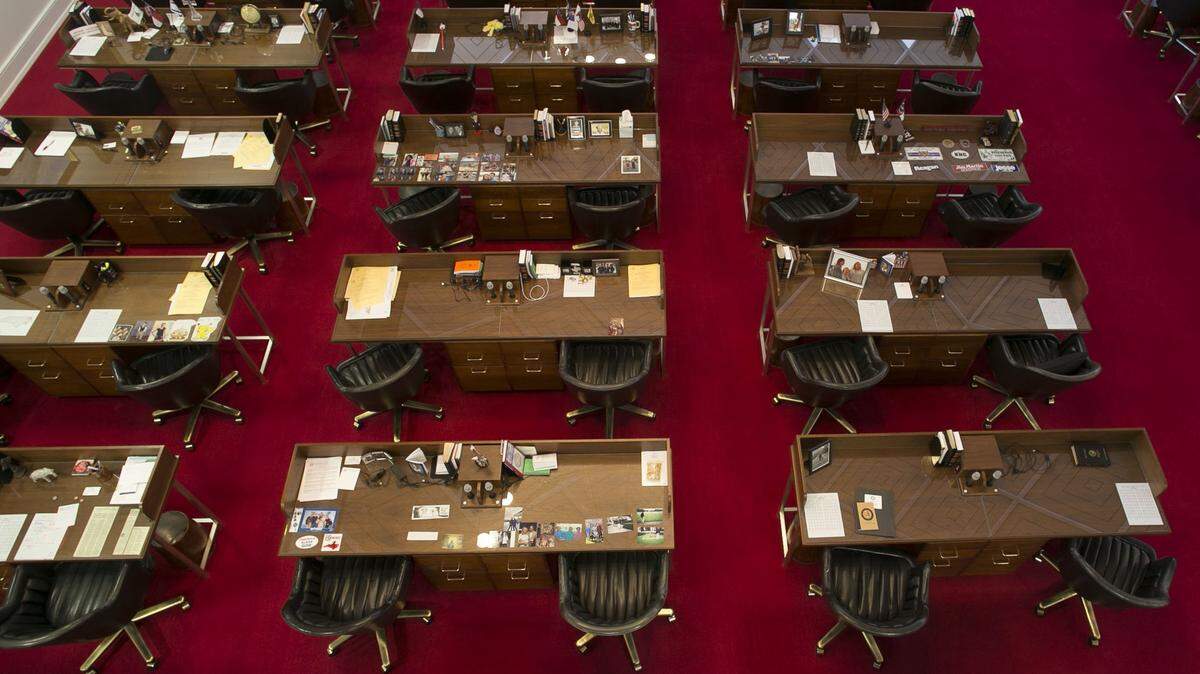
As COVID-19 infections rise and North Carolina’s economy shuts down, state lawmakers are hearing constituent complaints about problems with unemployment compensation and businesses’ calls for financial relief, but there’s one thing they’re not hearing: a call to convene immediately.
Instead, it appears lawmakers may not return to work — under social distancing guidelines — until April 28, the General Assembly’s previously scheduled date to convene. Whether it’s better to rush back or negotiate behind the scenes won’t be clear until a legislative package comes into focus. But the interim period of indecision is unsettling for the public and lawmakers.
State Rep. Pricey Harrison, like most state legislators, is facing a blizzard of emerging COVID-19 problems and proposed responses. “It’s just a giant list of immediate fixes we need to undertake. It’s kind of overwhelming. I’m not sure how to even prioritize it,” the eight-term Greensboro Democrat said after going through a flood of email from constituents and attending legislative committee meetings by video conference. “I’ve never been busier. Ever.”
Harrison’s fellow Democrat, Rep. Marcia Morey of Durham, said the General Assembly needs to be in session now. “People look to government in times of crisis. We’re sitting on our hands looking to April 28, which is too late,” she said.
Democrats won’t have much influence on when the session starts and what the Republican-led legislature approves. That will be largely decided by Senate President Pro Tem Phil Berger. His spokesman, Pat Ryan, said the Republican leader is aware that the legislative response will have to be put together with Democratic Gov. Roy Cooper and “It doesn’t make a whole lot of sense to bring 170 people to Raleigh before there’s a finished product to vote on.”
That tension between urgency and restraint is likely to remain even after the session opens. Democrats see the crisis as calling for sweeping changes — expand Medicaid, give state employees and teachers immediate raises and expand unemployment compensation payments to the swelling number of jobless, even those who would normally not qualify.
Republicans, so far, are silent on such changes. They are willing to spend a portion of the state’s reserve funds on emergency assistance to individuals and businesses, but they’ are concerned about the coming plunge in state tax revenue and their constitutional obligation to balance the state budget. Rep. Craig Horn, a Union County Republican and a leader on education funding, said, “I’m preaching prudence. No one knows how long this is going to last. How much do you want to drain your piggy bank?”
To his credit, Republican House Speaker Tim Moore has opened a bipartisan discussion of what North Carolina needs to do. He established a House Select Committee on COVID-19 to focus on aspects of the crisis.
The committee’s hearings via video conference are producing a raft of ideas and requests. The restaurant association wants grants and taxes deferred. Retail merchants are calling for stay-at-home orders that clarify which businesses are deemed essential. Some educators are pushing for schools to reopen in May and stay open into the summer, but coastal business interests say that would cut heavily into their economy. Meanwhile, State Sen. Wiley Nickel, D-Wake, is advocating a program that would allow employees to work 20 hours and collect the equivalent of 20 hours in unemployment payments.
Like Harrison, all lawmakers will scramble with which interests should get priority. But it’s clear that they will have to not only think fast, but also think big and in a bipartisan spirit. Prudence is always necessary, but imagination and compassion are now what’s needed most.
BEHIND THE STORY
MOREWhat is the Editorial Board?
The Charlotte Observer and Raleigh News & Observer editorial boards combined in 2019 to provide fuller and more diverse North Carolina opinion content to our readers. The editorial board operates independently from the newsrooms in Charlotte and Raleigh and does not influence the work of the reporting and editing staffs. The combined board is led by N.C. Opinion Editor Peter St. Onge, who is joined in Raleigh by deputy Opinion editor Ned Barnett and in Charlotte by deputy Opinion editor Paige Masten. Board members also include Observer editor Rana Cash and News & Observer editor Nicole Stockdale. For questions about the board or our editorials, email pstonge@charlotteobserver.com.