
COVID-19 is burning through nursing homes. My mother is in one of them.
My mother is 92 and lives in a New Jersey nursing home. COVID-19 is there, too; 27 confirmed cases in her home.
So far, she is well, but she is in what amounts to a burning building and her children are helpless to get her out. She can’t walk, has memory problems and needs an aide to bathe and dress her. She can’t go anywhere and no one can visit her. She’s quarantined in her room.
Now we wait and hope. In New Jersey, nearly 40 percent of the state’s more than 3,800 COVID-19 deaths have occurred in long-term care facilities.
But my mother still has a strong immune system. She rarely gets a cold. The home says it has taken measures to protect residents and the manager reassured us that the COVID-19 cases were not in my mother’s wing. So we hold on to that.
I reached her by phone. She’s scared and confused, but she still had her dry perspective. “Everybody is thinking of you,” I said, and she replied, “A lot of good that will do.”
She was right in one sense, but wrong in a larger one. Concentrated thinking by everybody about how most elderly Americans spend the last years of their lives could do a lot of good. For the truth is that we as a society don’t give it enough thought even though, for many of us, a nursing home will be our last residence.
Hubert Humphrey said, “The moral test of government is how that government treats those who are in the dawn of life, the children; those who are in the twilight of life, the elderly; and those who are in the shadows of life, the sick, the needy and the handicapped.”
By most standards, we’re failing the test. The pandemic warnings were there, we didn’t heed them. The protocols for preventing infections from spreading in nursing and group homes are well known, but some homes did not follow them rigorously, or were too short-staffed to have time to do such things as change gloves between patients and clean blood pressure cuffs.
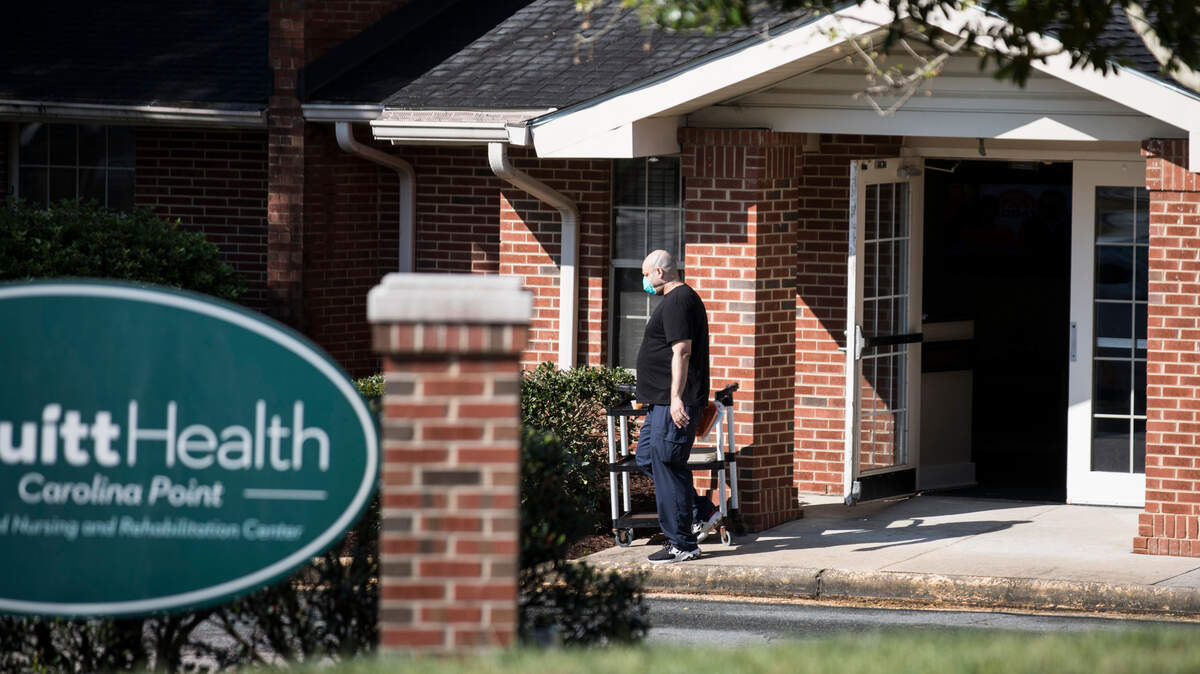
So we have a wildfire burning through these settings and public health officials scrambling. North Carolina has more than 400 nursing homes and 33 with outbreaks. As of Saturday, state health officials said nursing homes had at least 818 cases and 43 deaths — more than a quarter of the state’s deaths.
Dr. Susan Kansagra is section chief of Chronic Disease and Injury at the state Department of Health and Human Services. She has stepped in to help train and assist staffers working in nursing and group homes. Last week, DHHS offered training for 2,000 such staff. The department also made more Medicaid money available to help nursing homes care for residents with COVID-19 and reduce the spread of the virus.
“We do every thing possible to decrease the risk of transmission,” Kansagra said. “We know that’s hard, but whatever we can do up front is incredibly important because once infection is introduced, it’s really hard to control.”
Nursing home staff are doing noble and even heroic work, but this pandemic should bring a public demand for better nursing home care. It can start with more staffing per resident, much better pay for nursing home aides and paid leave so they don’t work when not feeling well. All the aged deserve those protections and all who care for them deserve that respect.
No matter what hardships aging brings, there should always also be clean comfort and alert care. Perhaps the toll COVID-19 has taken on nursing home residents will bring us closer to providing that humane standard for all of the elderly, no matter how much money they have or how long they live.
This story was originally published April 18, 2020 at 3:57 PM.