
The legislature needs to think big on how to respond to COVID-19
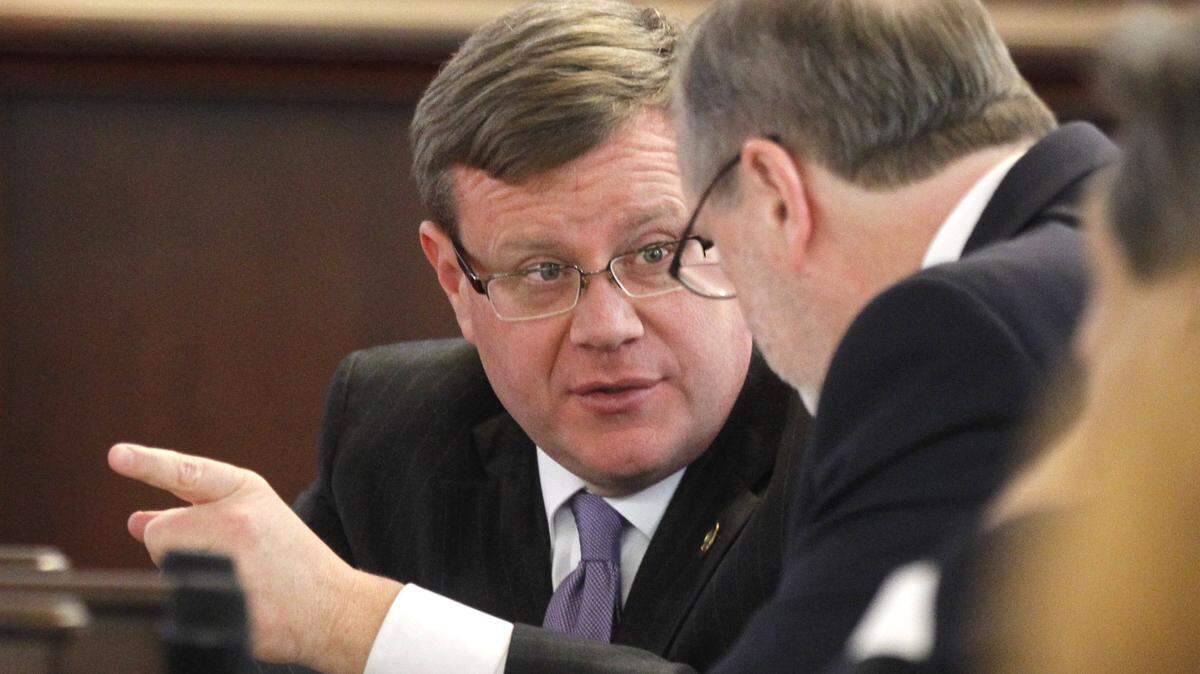
Republican state lawmakers have urged Democratic Gov. Cooper to be more transparent about data on COVID-19 cases and his plans to reopen the state’s economy.
That’s fine. We all want to know more about those subjects. But what about transparency from those who are asking for it? Specifically, what does the Republican-led General Assembly ultimately plan to do in response to a public health crisis and economic disaster that is profoundly affecting North Carolinians and clouding the state’s future?
As the General Assembly prepares to convene on Tuesday for its short session, the focus is on temporary and immediate fixes on which there is bipartisan consensus. For example, legislation likely will be passed to waive interest on delayed income tax payments and to temporarily change Medicaid eligibility rules to serve those needing testing or treatment for COVID-19.
Such moves are needed. But one month after President Trump signed a $2 trillion federal stimulus plan, North Carolina lawmakers should also start talking about how the pandemic may change both the state’s capacities and its priorities.
House Speaker Tim Moore got the House off to a promising start. He set up a bipartisan House Select Committee on COVID-19 that included working groups focused on education, employment, health care and government operations. But the committee’s proposals have been limited to addressing immediate needs.
Certainly it doesn’t make sense, as Republicans often say, to just throw money at the problem. But the legislature needs to throw something big at this one. This is a problem that has put more than 500,000 people in North Carolina out of work, pushed thousands of small businesses to the edge of insolvency and exposed big gaps in health care.
Here, briefly, are areas where the legislature can take strong action:
• Expand Medicaid. The benefits have always been obvious. Now they are essential. Expansion would give the state an immediate economic stimulus, would help desperate rural hospitals and provide medical insurance for hundreds of thousands of working poor North Carolinians.
• Boost spending on public health. This crisis has hit a public health system that is underfunded after years of budget cuts. Strengthen this first line of defense. COVID-19 is not going away soon and other perennial health issues that make people more vulnerable to it – diabetes, obesity, heart disease – need a bigger dose of both prevention and care.
• Make unemployment insurance real insurance. This program doesn’t just help workers. It protects the economy when hard times hit. It’s a disgrace that North Carolina’s benefits are among the lowest in the nation.
• Help small businesses. The federal stimulus aid was stymied by bottlenecks and too often spent on big businesses. Let’s help mom and pop. Really.
• Step up the expansion of rural broadband. Every student became a virtual learner in this crisis, but those in rural areas too often couldn’t view their classes from home.
Short-term prudence is understandable until the extent of state revenue losses comes into focus, but Republican leaders aren’t saying what they plan to do with $4 billion in the unemployment insurance reserve funds, a $1.7 billion rainy day fund and more than a $2 billion that went unspent because of last year’s budget impasse.
The time when Republicans lawmakers could stick to their narrow script – cut taxes, hold down spending and stash billions into reserve funds – is over. Now is a time for legislative courage and imagination. We’ll see if the leadership can demonstrate those qualities. If they don’t, the state’s economic pain will grow deeper and wider.
This story was originally published April 26, 2020 at 12:00 AM.