
NC needs to make voting by mail easier during the pandemic, but a top Republican may block the way.
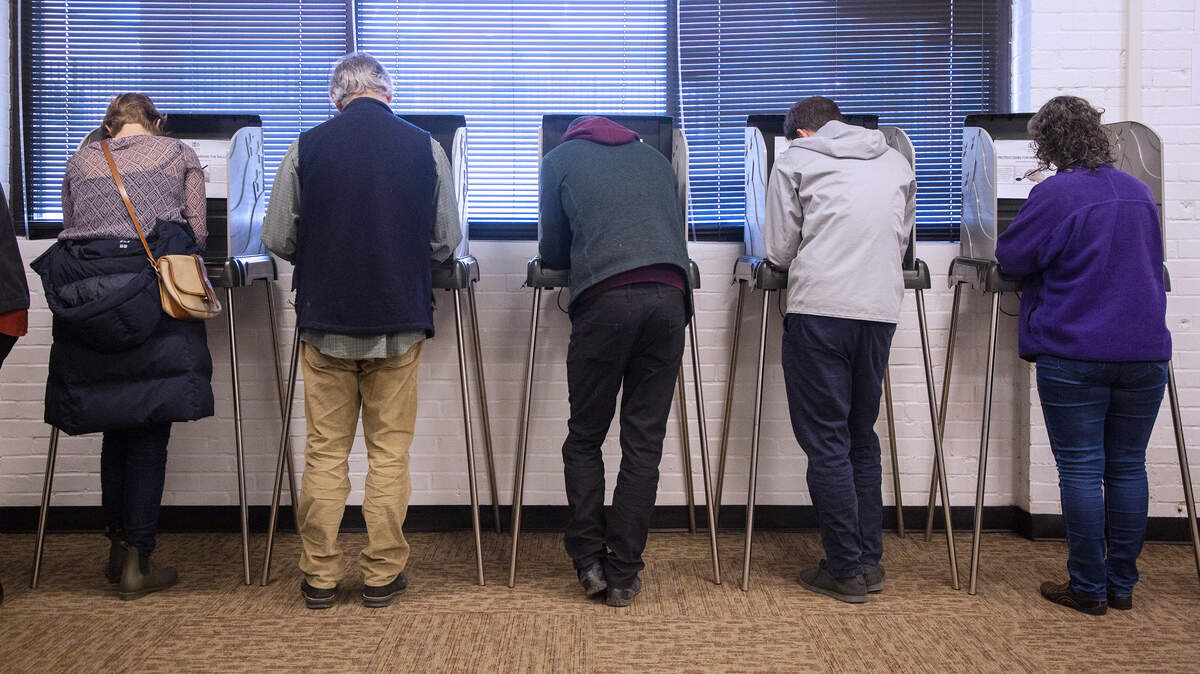
North Carolina election officials estimate that the share of voters who will vote by mail in this year of pandemic could be as high as 40 percent, up from 4 percent in the 2016 presidential election. If the election occurs amid a second surge of COVID-19 cases this fall – as some experts expect – the mail-in vote percentage could soar even higher.
Millions of voters voting by mail for the first time will require extra resources for election boards and should be accompanied by a streamlining of the state’s absentee voting process. A change requiring a second witness to an absentee ballot adopted in 2013 made the process more complicated, and this year could reduce the number of people who will vote at all.
Despite the likely surge in people avoiding the polls, House Speaker Tim Moore vowed last week to block any significant changes that would encourage widespread voting by mail.
In an April 27 interview with the John Locke Foundation, Moore, a Cleveland County Republican, said, “a mass mailing of ballots to everybody” would be irresponsible “and something that as long as I’m sitting in this chair as speaker simply is not going to happen.”
Moore said his objection to encouraging mass voting by mail is about preventing fraud. It may also be about preventing votes. Absentee voting has traditionally favored Republicans, but making it an easy option this year could draw in more traditionally Democratic voters.
As Terry McAuliffe, the former Virginia governor and former Democratic National Committee chairman, told the Washington Post, “Republicans like mail voting when it’s used by people with second homes, but not by people with second jobs.”
Moore said North Carolina voters already have options to voting on Election Day by voting absentee or voting early. He said he is open to tweaks in absentee voting rules, but “I want to make it very clear that this General Assembly will not approve some sort of mass voting by mail or any other scheme like that that is going to be rife with fraud.”
Moore’s concern isn’t supported by experience, but the risks of voting in person during a pandemic are obvious. Five states conduct elections entirely by mail without problems with fraud and even some Republican governors support encouraging mail-in voting during the pandemic. Meanwhile, after a court ruling that Wisconsin’s April 7 primary election go forward, 52 people who voted or worked in the election tested positive for COVID-19.
Under current North Carolina law, voters wishing to vote absentee must download a request form for a mail-in ballot, mail or deliver the request form and then return their ballot with their notarized signature, or with the signatures of two witnesses. Some supporters of adopting voting to the realities of social distancing say that the state – at least for this year – should send all of North Carolina’s registered voters an absentee ballot request form. Voters who receive a ballot could mail it back with their signature alone, or perhaps just one witness’s signature, as was the law prior to 2013. Those who ask for an absentee ballot still have the option of voting in person so long as they don’t vote absentee.
Bob Phillips, executive director of Common Cause North Carolina and an advocate of the changes, notes that more than 70 percent of North Carolina households have two or fewer members. Requiring voters to meet with a notary or have two others witness a ballot could require more contact than some voters want.
Providing North Carolinians an opportunity to vote without risk is not a threat to democracy. It is democracy itself.