
The lasting toll on our COVID-19 heroes
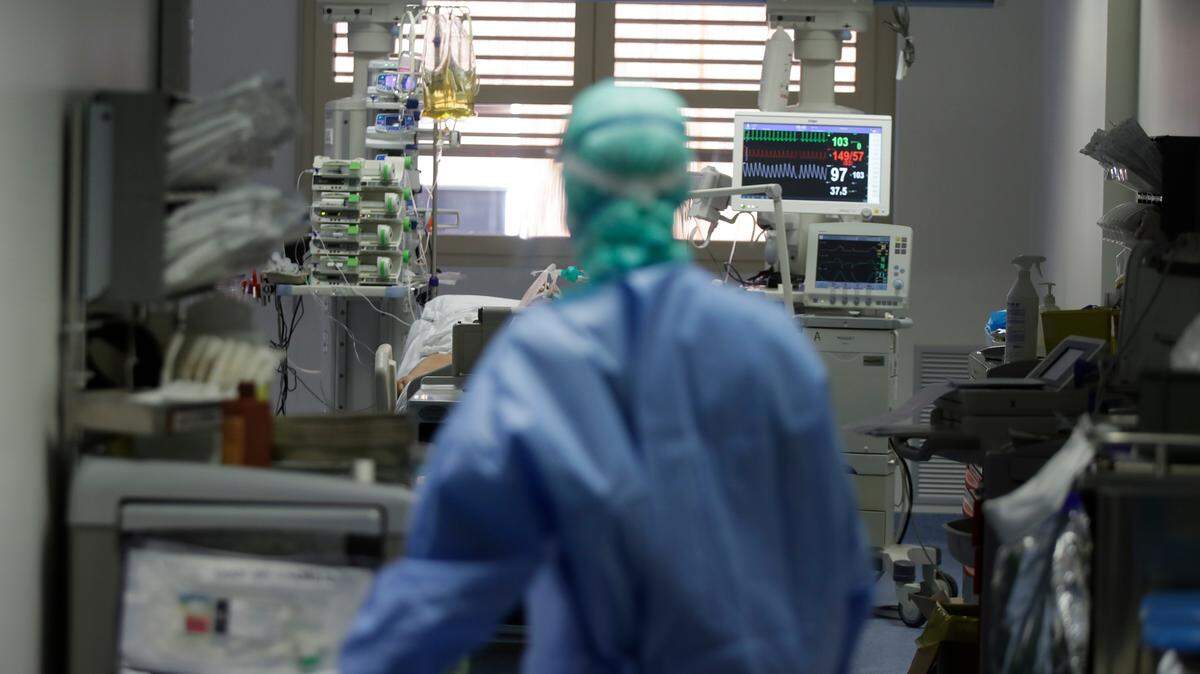
Many of us may be able to start returning to our previous lives as stay-at-home orders are eased over the next weeks, but the ordeal won’t be over for the doctors, nurses and other health care workers who treat our region’s COVID-19 victims. Ditto for other first responders, like police officers, firefighters and dispatchers.
Consider the experience of the frontline heroes after our last national catastrophe – the New York firemen and women who on 9/11 rushed to the burning towers, then spent months digging through the debris for victims and their personal effects. The immediate task at hand was so terrible and all-consuming that their emotional reaction came later. Some 22 percent of retired New York fire fighters who responded on 9/11 were still suffering from post-traumatic stress disorder, or PTSD, up to six years after the terrorist attack, research shows.
We should expect a similar reaction – and need for help – from our healthcare workers who today are enduring similar terrible experiences: long hours administering critical care, watching patients die alone on ventilators, isolating themselves to protect their families, worrying that they or their colleagues could contract the virus and die themselves. Meanwhile, other first responders are experiencing increased calls for cardiac arrest, domestic violence and child abuse.
Already the emotional cost is showing up. Health care workers in China are experiencing high levels of anxiety, depression and insomnia, according to a recent study published by the Journal of the American Medical Association. Last week, tragically, a top emergency-room doctor of a New York City hospital took her own life after helping the many sick and dying COVID-19 patients she saw daily. “She tried to do her job, and it killed her,” said her father. “She’s a casualty just as much as anyone else who has died.”
Even if the magnitude of sickness and death in North Carolina doesn’t match the grim toll of hot spots in China, Italy or New York, we must prepare now to provide healing therapy healthcare workers and first responders will need in the months and years ahead. Mental health clinicians experienced in trauma work foresee that many will develop post-traumatic stress symptoms like sleep disturbances, anxiety, depression, intrusive memories of what they heard and saw during the pandemic, irritability, guilt for not preventing suffering, anger, using food, alcohol or drugs to cope, withdrawal from family and friends, and more. Trauma recovery therapy helps heal psychic wounds while also building on human beings’ remarkable resiliency.
Even while confronted with the demands of tending to their own patients, health care workers now can find ways to take care of their own mental health. Among the coping strategies:
Recognize the stress or helplessness you’re feeling are not a sign of weakness or failure
Even with long hours and difficult conditions, find time to get enough rest, food and exercise
Take breaks from social media and news dominated by coverage of the pandemic
Remind yourself of the importance and meaning of your noble work
Hospitals, police and fire departments too can help by rotating employees from higher- to lower-stress functions, making psychological support of workers as high a priority as ensuring their physical safety and openly communicating sources of that support in ways that overcome the stigma of seeking mental health treatment.
While stress is certainly normal under today’s conditions, health care workers and other first responders should seek professional help if symptoms persist or worsen. As a community, we must do all we can to protect the mental health of those who are so mightily ministering to our physical well-being.
This story was originally published May 7, 2020 at 8:51 AM.