
NC should step up inmate releases to keep prisons from becoming COVID-19 hot spots
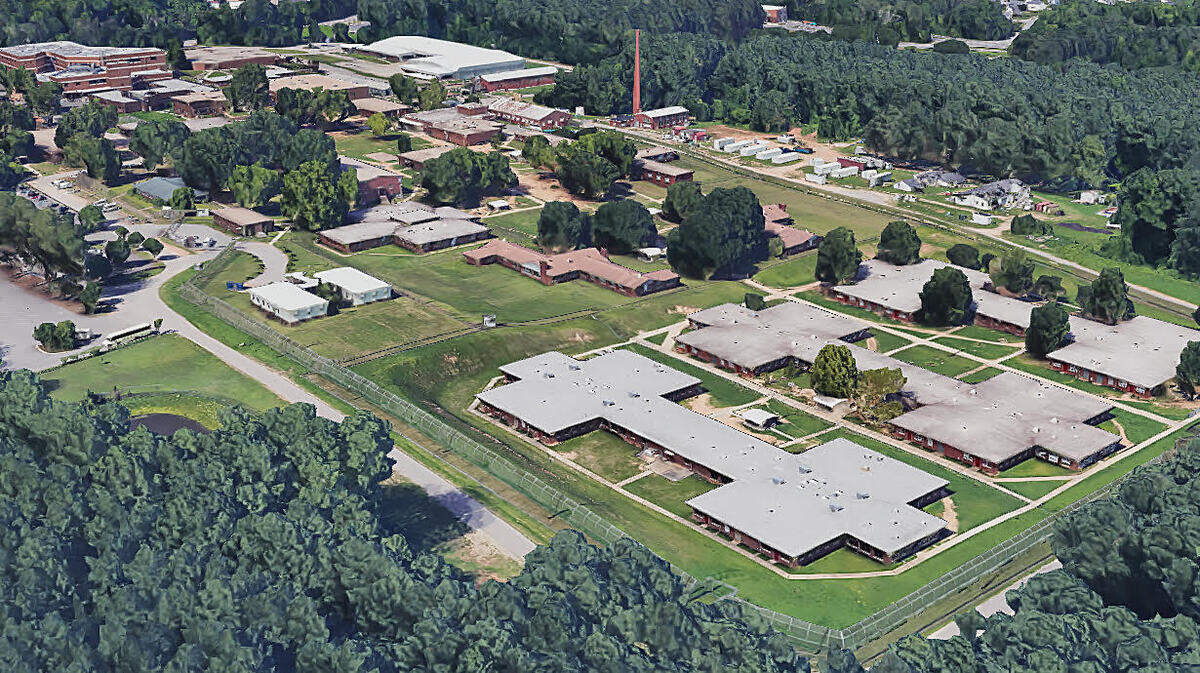
The woman on the phone spoke with anger but mostly fear. She was calling because I had written in September about the lack of air conditioning at the North Carolina Correctional Institute for Women in Raleigh during brutally hot days.
Now, in May, there’s a heat of a different sort. The women’s prison is a COVID-19 hot spot. Ninety one inmates have tested positive. One has died. And the woman on the phone wanted to get her daughter out of there.
“I don’t want my daughter to die like a dog in a cage,” the woman said.
The mother wants her daughter transferred to a prison somewhere closer to the mother’s home in Fancy Gap, Va., a town along the Blue Ridge Parkway near the the North Carolina border about 150 miles northwest of Raleigh.
Her daughter, a nurse, was arrested in nearby Surry County, N.C., for driving under the influence. It was another in a series of driving arrests and now she was in prison as a habitual impaired driver. Her release is set for February 2021.
“She keeps telling herself she’s going to be alright,” her mother said. “She tries to stay away from people as much as she can.”
But that’s not really possible. Her daughter sleeps in a building with 37 other inmates. “You put 37 people together, you can’t tell me that’s not going to spread,” her mother said.
It has spread. The women’s prison in Raleigh has the second largest outbreak in the state prison system. “If something happens, if I have to, I’ll file a lawsuit,” the mother said.
The NAACP, ACLU, other groups and several inmates have already done that. They’re demanding that Gov. Roy Cooper free more inmates to allow for social distancing in prisons.
The State Department of Public Safety has granted or will soon grant early release to about 640 inmates across the state. However the ACLU says those numbers “do almost nothing to allow for adequate social distancing among the roughly 33,000 people who remain in DPS custody.”
Cooper has performed well in the coronavirus crisis. He moved quickly to shut down and he’s resisted calls to reopen too quickly. But when it comes to the safety of prisoners, he has to do more.
No one is asking for the indiscriminate release of offenders, but among those in state prisons are thousands who are in for a parole violation, or are near their release date, or very ill, or elderly. Many of them can be released for their safety and the safety of those who remain behind bars. If need be, those released early can be electronically monitored.
The truth is, the state prison system was overwhelmed before the pandemic. The vacancy rate for corrections officers was higher than 20 percent. The same for prison health care workers. The system needed to add employees or shed inmates.
Offenders deserve punishment and society needs protection. But there’s a balance to be struck. No where in the statutes does it say a heightened risk of infection with a deadly virus is part of the penalty for breaking the law.
But the law does allow for leniency. Non-violent offenders near the end of their sentences should be moved to safer place, either to another prison, or to home under monitoring so they are not a threat to others.
The mother doesn’t know why that’s not happening. “Maybe it’s not meant for me to understand it,” she said.
She understands it just fine. The prison system should too.