
Nichol: In a state already rife with hunger, the pandemic swells the ranks of those in need of food
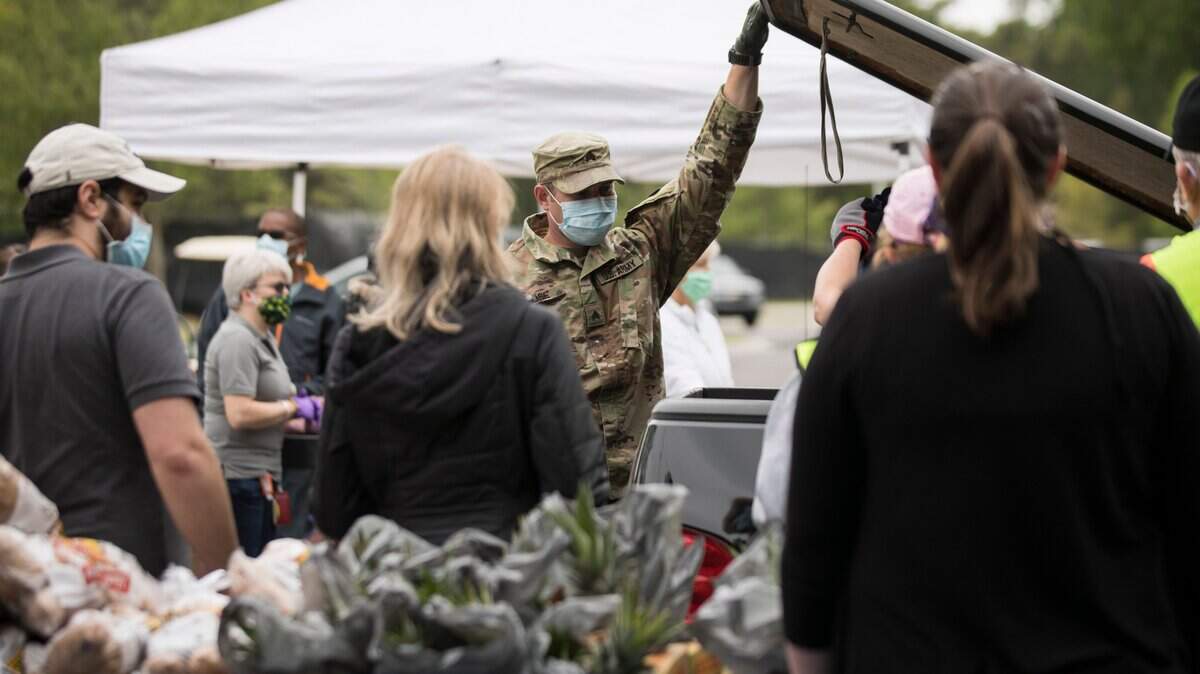
Last year North Carolina had a huge hunger problem. Imagine what it’s like now.
In 2019, over 1.5 million Tar Heels couldn’t get enough to eat. One in seven. Nearly a half-million were kids. One of every five children. We had the tenth highest hunger rate among the states. We’re fourth worst for hunger among seniors. More than once in the last decade, Greensboro was tagged by the federal government as America’s hungriest city.
Then came the coronavirus. Food insecurity – like poverty, unemployment, and loss of health care coverage – has exploded. We don’t yet have clear numbers for NC. But a new national Brookings study concludes food hardship, particularly for children, has risen “to an extent unprecedented in modern times. Twenty-three percent of households (now) lack money to get enough food, compared with 16% at the worst of the Great Recession. “
It’s tougher for families with children. Almost 35% of them don’t have enough to eat, up from 21% at the depth of the recession. The study also found “41% of mothers with children (12 and under) reported food insecurity since the onset of the epidemic.” The numbers are likely worse in North Carolina. They always are. As our lawmakers brag, year after year, of a purportedly colossal state economy, we regularly have one of the highest hunger rates in the country.
The federal government has provided meaningful, but very short-term, increases to the Supplemental Nutrition Assistance Program. And our General Assembly has passed important federal dollars along to food banks. Still, as Georgetown’s David Super notes, school closures mean “tens of millions of low-income children have lost access to free and reduced-price breakfasts and lunches and subsidized child care center meals.”
Peter Werbicki, CEO of the Food Bank of Central and Eastern North Carolina, told me they’ve seen potent “increases in demand throughout the programs (they) operate.” In April, they distributed a record-breaking 7.7 million pounds of food. Werbicki’s colleague, Earline Middleton, described “staggering increases in need,” with some agencies serving two or three times as many people as last year.
Carl Vierling of the Greater High Point Food Alliance said they’re seeing tons of folks “who’ve never been to a food pantry before.” Demand has skyrocketed while “community food drives have been made difficult.” Still, the Alliance has found ways to distribute food and help the school systemcommunicate about new nutrition sites.
Charlotte’s emergency food network, Loaves and Fishes, saw a 240% increase in April. Tina Postel reports “demand is through the roof with people figuring out how to navigate the system for the first time.” Some are past donors and food drive participants. Charlotte’s Crisis Assistance Ministry is aiding families who never imagined they’d be seeking help. They’ve developed a new program for people who were homeless, but temporarily living in hotels (1,292 families in one month).
A couple of years ago, Jill Staton Bullard, founder of the Interfaith Food Shuttle, told me (presciently): “food insecurity can’t be predicted, it can’t always be protected against, you can’t accurately lay blame – though most of us blame the person in need because it’s easier.” For Earline Middleton, the challenge of NC hunger “is a matter of justice, everybody should have basic food, especially kids. As a first principle, we have to give all our children an equal chance.”
This story was originally published May 20, 2020 at 4:00 AM.