
Voting in a pandemic could be safer in NC thanks to a rare bipartisan bill
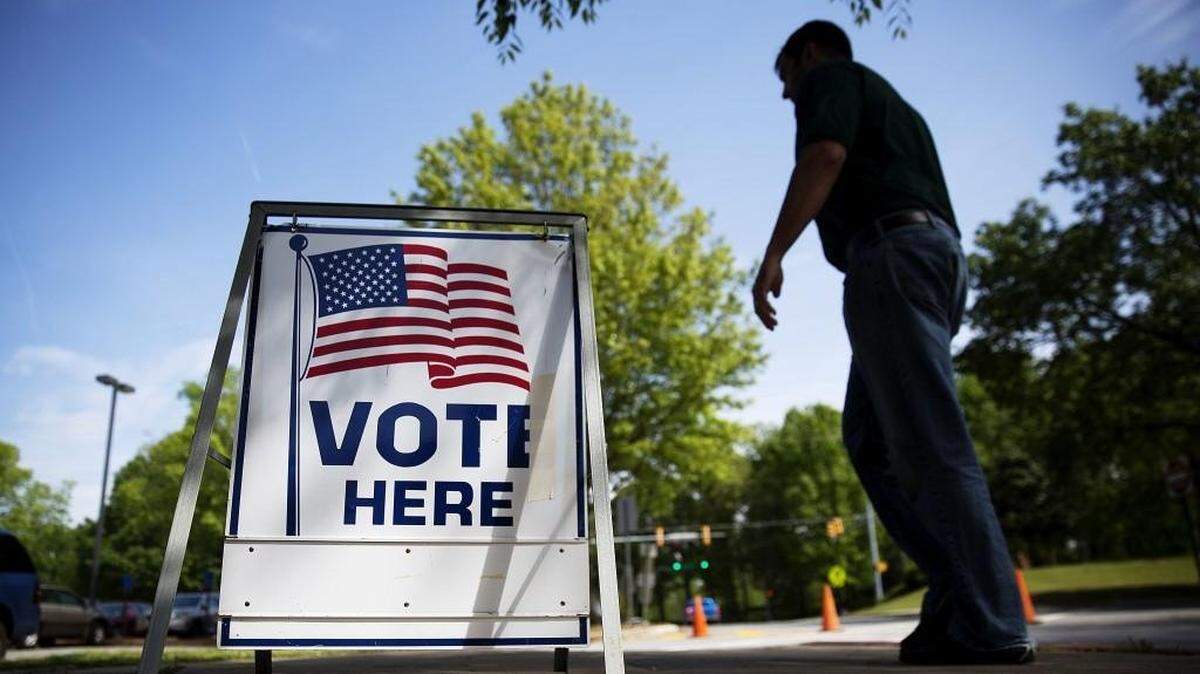
No one knows how the 2020 vote will go, but in North Carolina it looks like there’s already one winner – voting by mail.
In a rare and encouraging show of bipartisanship, N.C. House Republicans and Democrats jointly sponsored a voting by mail bill that passed last week with near unanimous support – 116 to 3.
Voting has been a source of bitter partisan disputes in North Carolina as the two parties have fought in the legislature and the courts over gerrymandering, a voter photo ID requirement and changes in other election-related laws.
President Trump has tried to make voting by mail another partisan flash point. He recently posted tweets claiming that mailed ballots are subject to massive fraud, despite scant evidence that fraud is a problem even in states that conduct their entire elections by mail.
This time, North Carolina Republicans didn’t go along with Trump. They went along with Democrats. What’s changed? Party affiliation does not confer immunity from COVID-19.
During the pandemic, so many voters will be nervous about voting in person in November that both parties agree on the need to make it easier to submit a ballot by mail.
Voters who vote by mail are usually about 4 percent of the electorate. This year, state elections officials expect that between 30 percent and 40 percent of the state’s nearly 7 million registered voters will cast their ballots by mail. Should a second wave of coronavirus infections hit in the fall, the percentage could go even higher.
House Bill 1169 reduces the number of witnesses needed for an absentee ballot from two to one and makes it easier to obtain an absentee ballot request form. It also gives local elections boards more flexibility in assigning poll workers, who are expected to be in short supply.
House members say the bill was drawn in consultation with the Senate and is expected to win approval there. Republicans control both chambers.
“This bill is a positive step toward ensuring every eligible North Carolina voter is able to safely and securely cast a ballot in this year’s elections,” said Bob Phillips, executive director of Common Cause North Carolina and a veteran of voting battles. A Common Cause lawsuit resulted in a landmark court ruling last year that ended partisan gerrymandering in the state.
The bill is welcome, but hardly perfect. Notably, for those who will vote in person, it does little to assure that the polls will be numerous enough and their hours flexible enough to avoid the health hazard of long lines. It still requires a witness for an absentee ballot, a requirement recently struck down by a federal judge in South Carolina. And it should do more to encourage voter registration, which is lagging behind its usual pace in a presidential election year.
Allison Riggs, chief counsel for voting rights at the Southern Coalition for Social Justice, has filed a federal lawsuit on behalf of Democracy North Carolina, the League of Women Voters and individual voters seeking the above mentioned and other changes in the voting process. In a pandemic year, she said, major changes are needed to avoid the long lines and unfilled absentee ballot requests that hampered Wisconsin’s presidential primary and local elections in April.
Riggs said the House bill is “better than nothing,” but much more is needed. “These are extraordinary circumstances and compromising on a Band-Aid when we need surgical intervention doesn’t impress me,” she said.
No, it’s not enough, but it’s progress. In a state scarred by voting battles, the bill represents a genuine bipartisan effort to protect voters – and democracy – in November.