
In NC and the US, stifling civil rights lawsuits fuels black Americans’ despair and anger
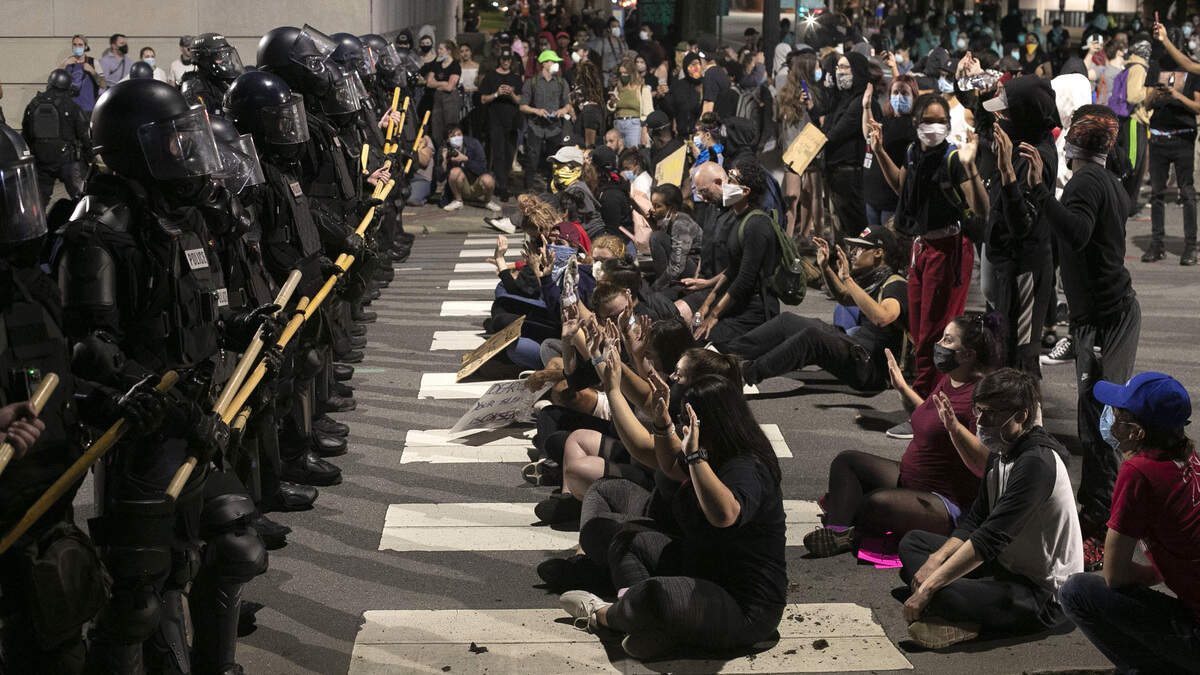
The protests that recently have swept over the United States are yet another boiling point in a long history of degradation and devaluation of black lives. In 21st century America innocent black people continue to be killed by law enforcement officers, vigilantes, and white supremacists. Poverty and lack of opportunity, internalized within poor black and brown communities, further claim and degrade black lives.
Even after the election – twice – of an African American president, and in spite of an increasingly conservative Supreme Court that seems bent on declaring America to be color-blind, race remains our most divisive and vexing dilemma. We ignore racial inequality at our peril, and periodically we are called to account for it.
America has re-segregated public schools that have been abandoned by white and more affluent parents. The gaps between white and black Americans in education, housing, income, wealth, health, employment, and other measures, remain enormous. Nowhere is this inequality more evident than in our systems of criminal injustice.
Black people are, as Fannie Lou Hamer famously said, “sick and tired of being sick and tired”. Yet, the national expectation is that they will continue to channel their discontent in ways that demonstrate unquestioning belief in the Constitution and laws of the U.S. Many angry white Americans, meanwhile, claim the burden of “reverse” racial discrimination and victimization status, invoke the Second Amendment, arm themselves with assault weapons and march on state capitols in defiance of pandemic control stay-at-home orders, their faces contorted with anger and hatred, within inches of law enforcement officers.
In spite of episodic riots and rebellions, black Americans, for the most part, have remained committed to lawful means of advocating for racial and economic justice, in the tradition of the civil rights movement. In some places, even those tools have been stripped away. North Carolina’s ultra-conservative legislature has gone to great lengths to suppress and deny the votes of black citizens. In 2017, North Carolina’s higher education governing board banned the state’s flagship law school from providing experiential education to train law students to become civil rights lawyers. In justifying that ban, members of the Board of Governors made clear their hostility toward civil rights litigation against systemic segregation and inequality.
Civil rights lawyers have represented black and brown people who have challenged segregation, racial discrimination, and injustice. They have pursued the best American tradition of nonviolent social change. Their tools are the Constitution and laws that govern our country. Their work should be celebrated, and not demonized or prohibited, by lawmakers and governing boards. Our law schools should be encouraged to train new generations of civil rights lawyers, not prohibited from doing so.
There are a growing number of African Americans who have lost hope in the possibility of a racially just America. I, for one, have regular discussions and debates with close friends about whether black people should remain committed to and invested in the struggle “to save the soul of America.” I cannot talk them out of their despair; neither can I give up. But I know that those who block our ability to train another generation of civil rights lawyers, who strip us of our ability to use the Constitution and laws to challenge racial injustice, and who deny the rights of black and brown citizens to vote, are committing a grave error. They are pushing people toward despair, anger, and violence. There is a better way.
This story was originally published June 3, 2020 at 12:00 AM.