
Statues, stadiums and ... UNC’s nickname? The next wave of our reckoning on race
The call came late last week — a voice mail message with a kindly eastern North Carolina accent. “With all this racial tension and all going on,” the gentleman began, before eventually arriving at a suggestion for a topic: The North Carolina Tar Heels nickname. “It’s probably offensive to many people because the Tar Heels were Confederate soldiers,” he said. “I hope something can be done about it.”
It’s not the first time UNC’s nickname has been raised as a racial issue. It might be the first time people take a harder look at it.
Are you ready for the next wave of reckoning with our past? The first wave — toppling Confederate monuments and scrubbing white supremacists from schools and other places — has been difficult. It also was overdue. There never was much of an argument for honoring treason or celebrating racists.
But now comes a greater challenge.
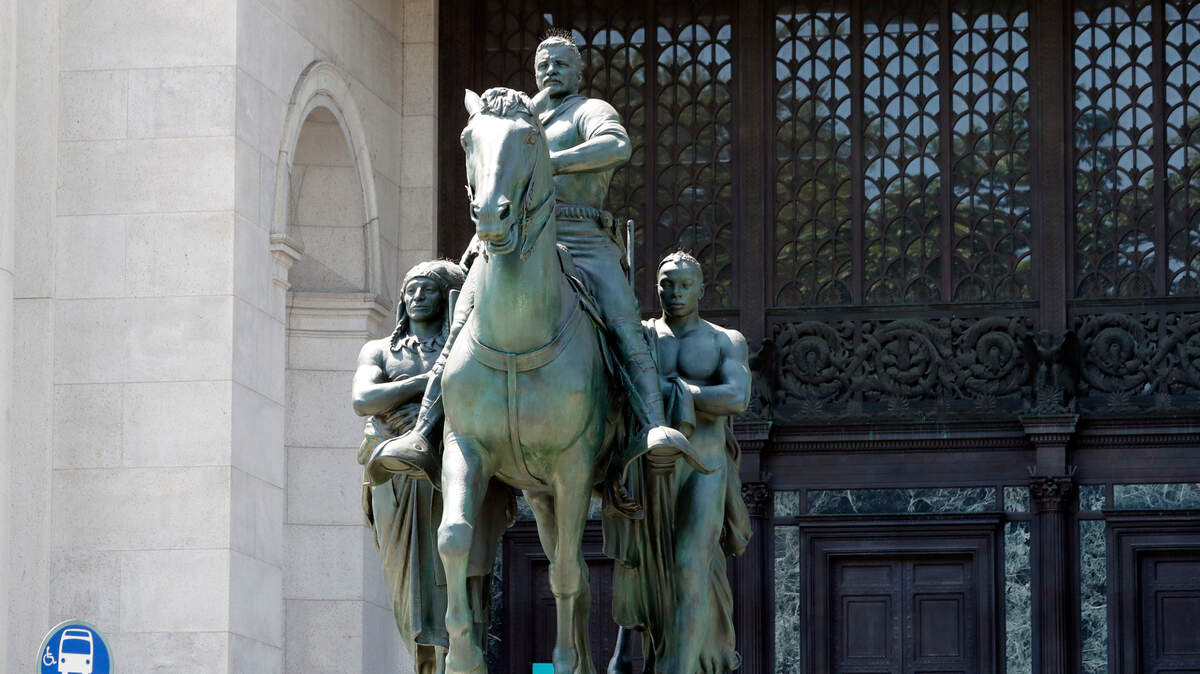
Last week, protesters in San Francisco pulled down the statue of Ulysses S. Grant, the Union general who put down the Confederacy but previously owned slaves. In Portland, Ore, protesters toppled statues of first president George Washington and Founding Father Thomas Jefferson, also slaveowners. In New York, the American Museum of Natural History said it would remove a statue of President Teddy Roosevelt because the positioning of an African-American and Native American in the display might suggest inferiority.
It’s not just about statues of distant historical figures. In Tallahassee, administrators at Florida State University are taking a new look at their high-profile football stadium, named after former president Doak Campbell, who resisted integration at the school.
All of which has been met with some backlash, as has the defacing last week of a World War II statue in a Charlotte cemetery — although it’s unclear why that statue was targeted. This much is clear, however: As our country embarks on this new exploration of race, we’re going to be taking a closer look at some people and events we’ve celebrated up to now.
Those discussions will be messy. They’ll be uncomfortable. People will go too far — or at least farther than some personally might want — in calling for symbols and names to go away. But that won’t mean the movement to examine our past has gone off the rails, as some are already claiming. It will signal that we’re finally starting to grapple with who we are. And that’s a good start, not only for race but for other kinds of discrimination.
As for “Tar Heel,” the term dates back to pre-Civil War years and refers to the workers who distilled turpentine from the sap of pine trees and produced tar. According to UNC’s web site: “During the Civil War, North Carolina soldiers flipped the meaning of the term and turned an epithet into an accolade. They called themselves “tar heels” as an expression of state pride.”
Other historians, however, note that North Carolina was a divided state that did not fully support the Confederacy. Author Bruce Baker, a UNC grad, says that it was out of this disloyalty to the Confederate cause that N.C. soldiers were given “the racially derogatory nickname.”
In other words, it’s complicated. But that’s not a bad thing. History has always been messy. The men who built our country’s foundation also are responsible for the underpinnings of our country’s racism. The names we honor on stadiums and schools belong to people who are as complex as the rest of us. And while it’s easy to say that we shouldn’t judge people in the past by our present standards, those same historical figures were complicit in establishing and reinforcing inequities that endure today.
Maybe the next step toward change is truly recognizing that. Maybe instead of merely honoring those who got us here, we can do a better job of examining them. And, in turn, ourselves.
This story was originally published June 23, 2020 at 2:24 PM with the headline "Statues, stadiums and ... UNC’s nickname? The next wave of our reckoning on race."