
The cure for long lines at the NC polls this fall? Mail-in voting that’s easy and free.
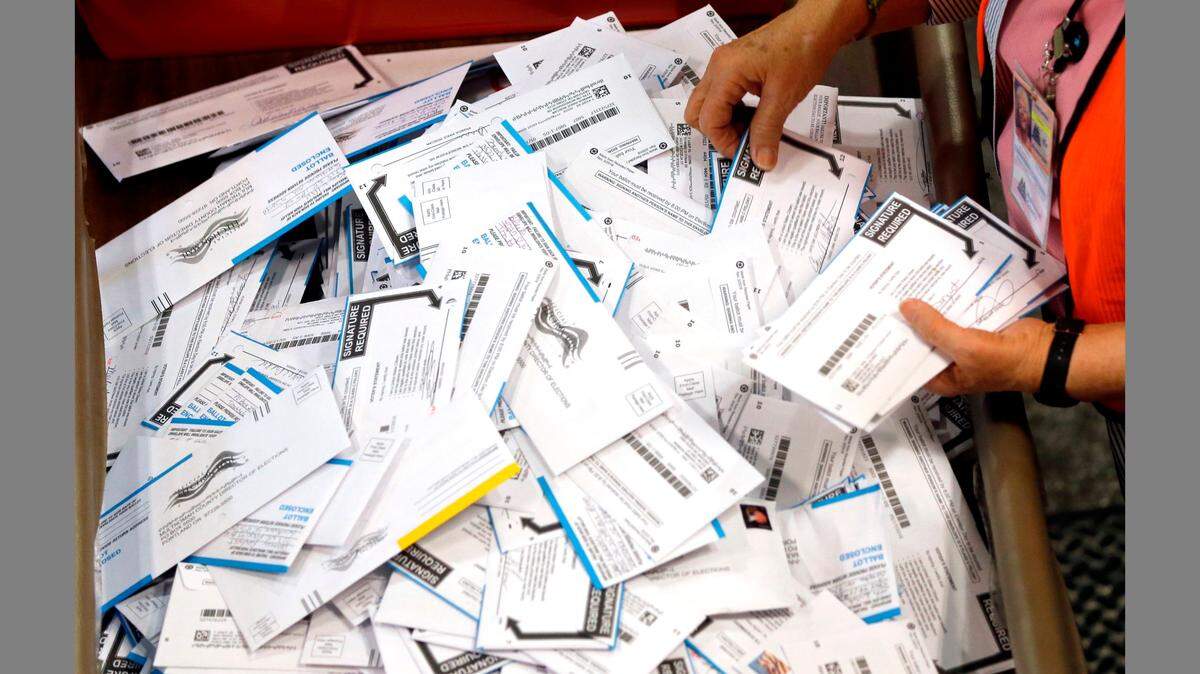
Extraordinary times demand extraordinary measures. COVID-19 is as much an attack on our physical bodies as it is on our democracy. Just as masks, social distancing, washing hands and stay-at-home orders have been some of the primary tools to combat and mitigate the impact of the virus, we must take equally as comprehensive an approach to defend our democracy and our rights to exercise the most fundamental right to American citizenship.
And just as COVID-19 has exposed the structural, racial and class inequities in healthcare access, employment and housing, it promises to expose a comparable inequity in access to the ballot. Long lines to vote in Georgia’s June Primary revealed a scenario that will be replicated in North Carolina in November without significant accommodations for absentee voting.
Normally, about 4 percent of North Carolinians vote by mail, but with the ongoing demand, that percentage could increase to as high as 40 percent in the fall. In the last presidential election in 2016, 84 percent of voters who submitted absentee ballots in North Carolina were white, compared to just 9 percent for African Americans and 6 percent for voters of other races. African American voters have long preferred to submit their ballots in-person.
For the foreseeable future, COVID-19 will make in-person voting a hardship, if not impossible in some parts of the state. On May 28, the state House passed House Bill 1169, a much-needed measure to expand options for registered voters to request and receive absentee ballots, reduce the witness requirement for submitting a completed ballot, and designated roughly $27 million for state and county election boards’ purchase of equipment, personal protective equipment and security upgrades. On June 12, the state Senate passed the bill and Gov. Roy Cooper signed it into law.
While commendable, this bill does not go quite far enough.
Among the recommendations of the State Board of Elections in April, was the recommendation that the state provide prepaid stamped ballots, so voters do not have to spend money to vote. With the poverty rate in North Carolina precipitously rising, due to mounting unemployment rates, something as mundane as purchasing a stamp can be difficult and burdensome, especially when someone or their family has to prioritize food and shelter.
Having to pay for postage bears some resemblance to a poll tax, where in some parts of the Jim Crow South, citizens were forced to pay a fee in order to register to vote. When a voter goes to the polls to vote, she does not pull out cash or a credit card to submit their ballot. So why should the voter then have to spend money to submit their ballot by mail?
Lastly, the bill makes reference to voter ID requirements, which, by our courts, are not in effect right now. For the better part of a year, the UNC Center for Civil Rights has been educating North Carolinians on the status of voter photo ID requirements. In every conversation with voters, accurate information on the status of those requirements has been paramount. The reference to voter photo ID requirements in this bill serves to confuse the voter, at best, and to prevent a voter from submitting a ballot, at worst.
The COVID-19 pandemic has created several barriers to citizens seeking to carry out the ultimate expression of that citizenship – the vote. Let’s do the right thing in North Carolina and make sure every hard-working and struggling citizen in our state can vote without obstacle and hardship.
Note to readers: Letters to the editor will resume on July 14.