
In-person instruction is critical for the success of NC students
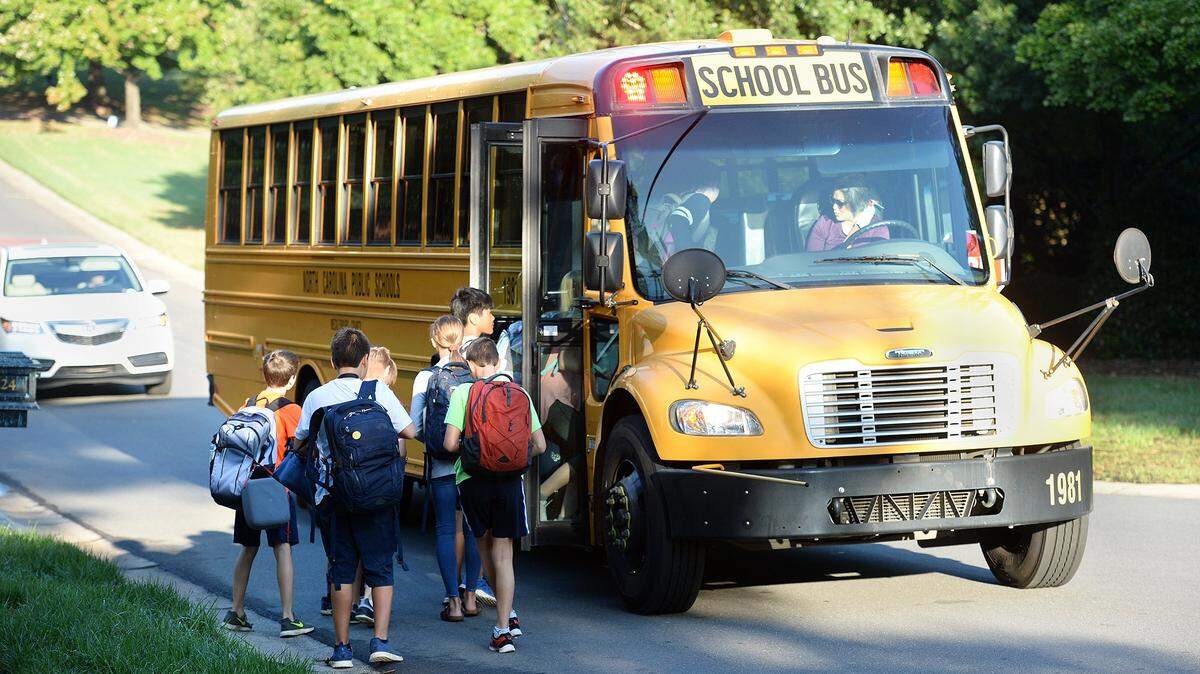
Parents should have the option to send their children to school full-time, and Gov. Roy Cooper should open schools for those students.
The governor’s decision to exclude the option of full, in-person instruction is a policy failure that will worsen societal inequities we expect our public schools to help mitigate. In-person instruction is critical for student success.
Not all children are born to families that can afford tutors, private instruction, enhanced educational materials, and more.
Many of North Carolina’s children live in circumstances where their parents don’t have the financial resources or the time and ability to provide necessary enhancements to make virtual learning productive for them. In the absence of in-class instruction and assistance those children will be deprived of the opportunity for the basic education that provides the tools to advance up the socioeconomic ladder. Unfortunately, many without a sound educational foundation will be stuck in poverty and robbed of the opportunity for success in life.
We know education is the most important intervention to improve the condition of one’s birth. And no institution in society is more essential to our country’s long-term viability.
Given the essential part education plays in future success in life, why are schools closed but much of the rest of our economy is open?
Just this week, four Harvard public health professors wrote that continued school closures “will be an educational disaster that some children may never recover from.” Their meticulous recitation of the science presents a clear conclusion from experts: schools should open.
The risk to healthy children from COVID differs from the risk to adults or the immuno-compromised. Children experience less severe illness, are less likely to get infected, and emerging evidence shows that children don’t transmit the virus as easily as adults.
Closing schools is one of the least impactful mitigation measures a government can take.
The children of well-off parents who can supplement virtual learning will likely be just fine in a virtual school environment. It’s the children from less fortunate circumstances that worry me and should worry all of us.
Prohibiting that child from in-person attendance may just relegate her to a lifetime of underachievement simply because of her social circumstances.
Opponents of opening schools say it’s about more than the kids – it’s about the family members and teachers to whom students may spread the virus.
But families have the option of full, virtual learning already. Informed adults can make decisions about the risk to their families.
Teachers didn’t sign up to work during a pandemic. But neither did grocery clerks or farm workers or police officers or construction workers. The essential work of public safety, food distribution, construction and education must continue.
Employers, including our school systems, can make reasonable accommodations, such as assigning concerned teachers to virtual programs.
Wake and Mecklenburg are the two largest school districts in the state. A significant number of parents in each county have chosen full-time, virtual schooling, which provides ample remote work for higher-risk teachers and space for full-time, in-person instruction with social distancing for children who opt for it.
If voluntary withdrawals for virtual learning still can’t get a school district to ideal social distancing space for in-person instruction, the now-scrapped plan Durham schools proposed to prioritize in-person slots for younger students would work.
Schools can fulfill their critical education mission with in-person instruction and follow recommendations from scientists, academics, and public health experts.
It just requires will and creativity, but the essential work of providing a sound, basic education for all students is worth it.
This story was originally published July 26, 2020 at 12:06 PM with the headline "In-person instruction is critical for the success of NC students."