
A political appeal to suburban women’s fears misses what they really worry about
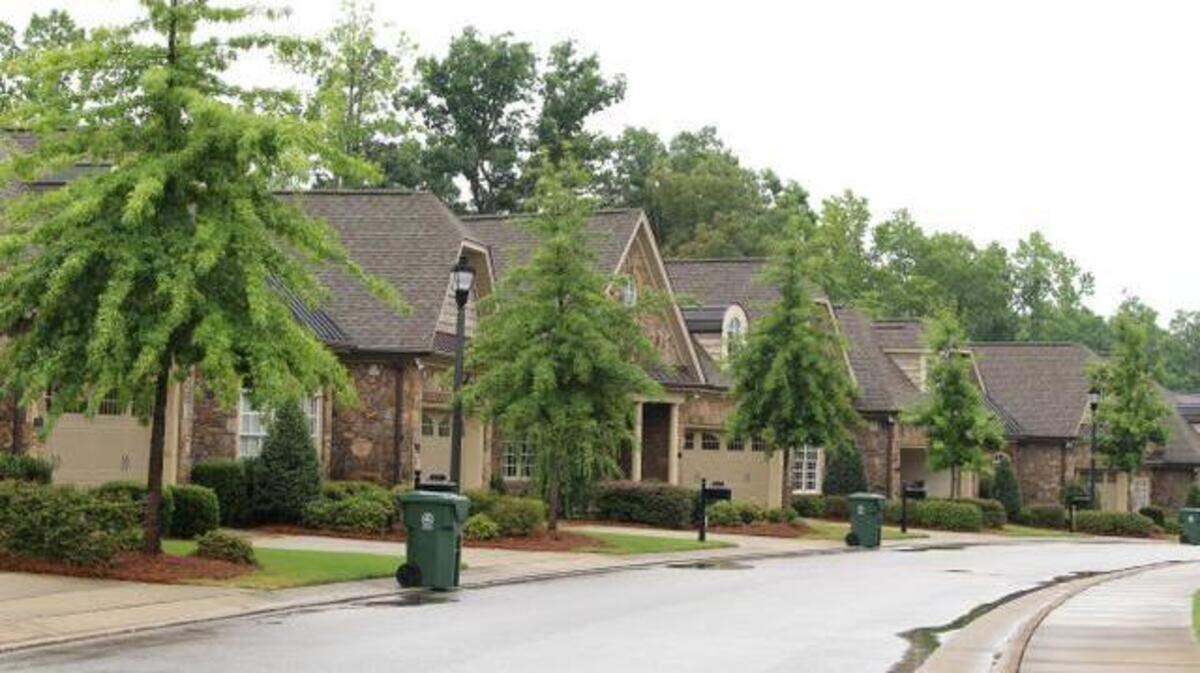
I live on the periphery of what has been held up as the suburbaniest of suburbs.
In 2001, “National Geographic,” devoted five pages to a specific Cary zip code under the headline “Suburbia Unbound.” That issue also considered “Asia’s Last Lions” and “Marco Polo in China.”
Then, and now, “the big small town” (per the article) doesn’t feel that exotic. Certainly, my less posh neighborhood does not.
Some politicians, including speakers at this week’s Republican National Convention, have turned their attention to what they might gain electorally from suburban women, easily rattled fragile flowers, as they apparently imagine us, aquiver in our homes, vulnerable to contrived boogeymen and shrinking property values.
This vision of stunted housewifery can barely unclutch her pearls long enough to cook her husband’s supper.
Perhaps there are folks like that. Surely someone focus grouped the idea before unleashing it, reaching back to a history unfamiliar to some. At their beginnings, America’s suburbs were deeply rooted in racism, from Levittown to redlining. The assumption apparently is that little has changed.
But, at least in pockets, some communities have reshaped enough that even our dogs don’t respond to such tone-deaf whistles. My bias is to invite people into my life who care deeply about others; they are more concerned with building Beloved Community than exclusive cul de sacs.
What do they say keeps them up at night?
Well-being for their children and parents as well as for the babies and elders of others.
Strong, equitable schools where teachers and staff are paid well and education is respected.
Stability for all God’s children undergirded by affordable housing and food security with a living wage as the default.
A nation moving beyond systems of racism, sexism and all the other poisonous -isms and -phobias that we are mired in.
A healthier planet.
Unfettered access to voting.
Health care for everyone.
A justice system that is genuinely just and that focuses on restoration.
Elected leadership that models honesty and compassion as well as what it means to take responsibility.
Leaders who will help guide us beyond this moment and help fix the brokenness it has revealed.
I know they want these things not only because they’ve said so in church gatherings, over dinners, during writing groups or, recently, in the Zoom chats that stand-in for the ways we cannot be together. I have seen them work for these interwoven, basic rights, trying to be a blessing to all of our neighbors, whether they live next door or at the margins.
The suburbs aren’t perfect. I have lived in small rural towns, large urban centers, and places in between. All of them excel in some moments and falter in others, just like the people who inhabit them. Understanding that, I choose to surround myself with generous souls, people less concerned with the gleam of their granite countertops than some would have us believe.
This political moment is a blatant play to the most petty stereotypes of suburban women. That we live in a mosh of toxic competition and panicked scarcity because we are self-involved, unempathetic and not particularly bright.
It assumes we have lost sight of our upbringing, our innate compassion and our faith, leaving us prey to inelegant manipulation.
That may be true for some. But not for the community builders, who are called to more than pearl clutching. Ensnaring ourselves in baubles might fit one narrative, but we do better than that when we take on the work at hand.