
Unemployment is supposed to be a safety net. In NC, it’s a mess
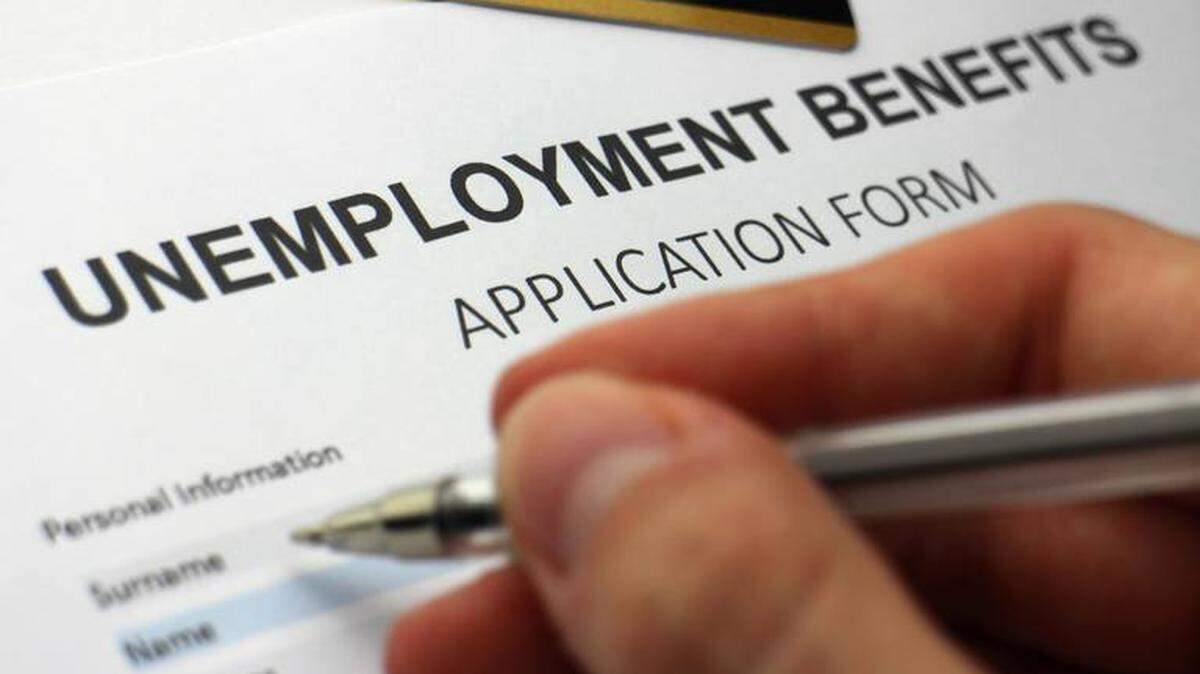
Krista is a freelance musician who played in symphonies and at events. When the pandemic descended in March, her work evaporated as concerts ended. Her husband, an engineer under contract out of state, also lost his job in the COVID fallout. He was denied unemployment benefits and is appealing.
“Both our incomes went poof!,” Krista said.
She filed for unemployment in North Carolina in April and kept teaching private music lessons. The state told her she was ineligible for the $600 weekly federal supplement because she was earning about $200 a week from the lessons, an amount in excess to her state unemployment benefit.
Things are getting desperate for the North Raleigh couple. She told the Editorial Board, “A church is bringing us a box of food every week. That’s where are.”
Tammy worked for 27 years in the human resources office at a Christian academy in Durham. The school closed in March and now offers remote instruction. She has not been called back to work. Her employer didn’t pay into the state unemployment system, leaving her ineligible for state benefits. She may be eligible for the federal supplement, but she is still waiting on a decision from the state Division of Employment Security.
Meanwhile, Tammy has needed help to pay her rent and has received forbearance from her creditors. “I can’t keep going back to those people,” she said. “I was very patient initially but, come on now, enough is enough.”
These two workers, caught in the gears of the bureaucracy, testify to a broken system. For a few months, the generous federal benefits covered the flaws in how North Carolina and most states protect those who lose work through no fault of their own. But now the federal supplement has ended and Congress can’t agree on a renewal. President Trump’s stopgap provision of disaster funds for the unemployed covers only a few weeks. And North Carolina’s unemployment benefits, limited to only 12 weeks – tied for the shortest in the nation – are running out for those who were fortunate enough to qualify.
“I am very concerned,” said Paige Ouimet, an associate professor at the UNC Kenan-Flagler Business who specializes in labor economics. “Unemployment (insurance) is meant to be the safety net for workers and it’s just falling apart under the stress.”
In North Carolina, “taken apart” may be the more accurate description. In 2013, the Republican-led General Assembly cut the state’s unemployment benefits, tightened eligibility and lowered the maximum payment to $350.
Unemployment insurance is not only about helping those who lose jobs. It’s about protecting the economy during recessions by helping jobless workers to pay their bills and buy goods.
It’s telling that even this crisis has not moved legislative Republicans to significantly expand and improve North Carolina’s unemployment benefits. They added $50 in payments to recipients of state regular unemployment insurance benefits, but that’s too little for most and too late for those who have exhausted their benefits.
The foul-ups in delivering help to those who have lost jobs – and insufficiency of the help when it does come through – are not limited to North Carolina. There are wide gaps between states in unemployment benefits and the effectiveness of how they are delivered. In Massachusetts, the maximum individual weekly benefit is $823. In Mississippi, it’s $235..
One lesson from the massive unemployment brought on by the pandemic is that it’s time for Congress to explore whether a federal unemployment system would be a more efficient way to help than the uneven hodgepodge of state systems. As it is, state systems have too many cracks and too many people are falling through them.
This story was originally published September 17, 2020 at 12:00 AM.