
Unaffiliated voters are NC’s big unknown, but they’re probably breaking toward one party in November
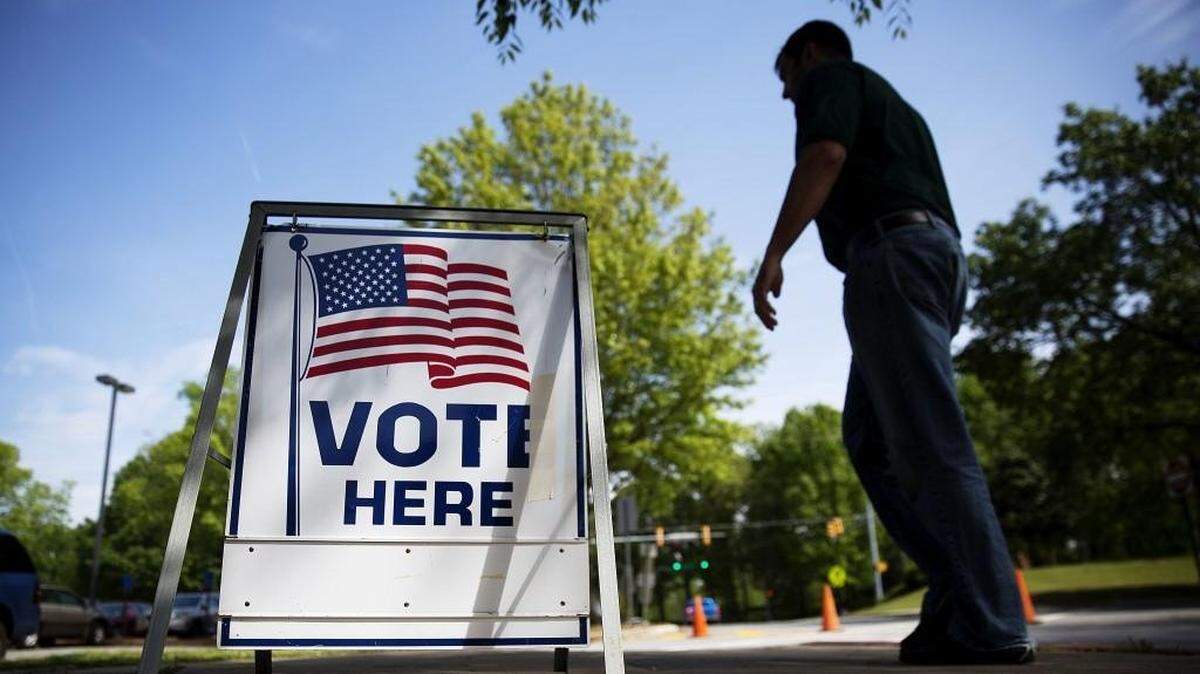
They are the X-factor in North Carolina politics – unaffiliated voters.
In September 2017, they passed Republicans to become the state’s second-largest group of registered voters. If the trend continues, they may soon overtake Democrats. Among those who have registered to vote since the 2016 election, four in 10 are unaffiliated.
Now, on the eve of one the most consequential presidential election ever and in a state that could play a decisive role in the outcome, there are pressing questions about these voters who are identified by what they are not.
Who are they? Why are they growing as a share of the electorate? And which presidential candidate are they likely to favor?
To this first question, Carolina Demography has provided a statistical portrait. Of North Carolina’s 7 million registered voters. 2.3 million – or one third – are registered as unaffiliated. Compared to all registered voters, the unaffiliated are more likely to be white. Only a third are North Carolina natives. Among North Carolina voters, those born in New England – about 76,000 voters – were the most likely to be registered unaffiliated. Nearly 250,000 unaffiliated voters were born in New York, New Jersey or Pennsylvania.
These voters who choose to stand outside of the two major parties skew younger. Only 26% of voters ages 55 to 74 are unaffiliated. Among those ages 18 to 34, the share rises to 43 percent.
J. Michael Bitzer, a politics and history professor at Catawba College, further has found that the younger the voter, the more likely they are to be unaffiliated. He said 46% of registered unaffiliated voters are under the age of 40.
As to why the group is growing, Bitzer said, “Maybe they want the ability to pick among the parties when it comes to primaries. It’s also the fact that they are more the generations of ‘no labels.’ ”
Carter Wrenn, a longtime Republican strategist in North Carolina, said the rise of unaffiliated voters may be more about the declining appeal of the major parties. “A lot of them lean one way or the other, but they are not really in love with either party,” he said.
Gary Bartlett, the executive director of the State Board of Elections from 1993 to 2013, said the easing of the voter registration process and the opening of party primaries to independents two decades ago fueled a rise in unaffiliated voters. More intense partisanship by elected officials, he said, only adds to the trend.
“Because parties have become so polarized people are wanting the independence to go back and forth and make the best of their vote,” he said.
Wrenn said the rise of unaffiliated voters is healthy response to polarization because independents are more likely to split tickets., .
“I always thought ticket-splitters are good for the system,” Wrenn said. “They look at candidates and where they stand and make decisions based on issues.”
So where will they go in 2020? Bitzer, citing a Pew Research Center study, said it’s clear: “They tend to identify politically as independent, but if you ask which party do they lean to, they are an overwhelmingly Democratic cohort.”
But there’s a caveat. The unaffiliated may be more likely to vote Democratic, but they’re less likely to vote. Registered Republicans and Democrats have higher turnout rates, Bitzer said.
So the questions becomes not only where the unaffiliated will go, but in what numbers will they go. Surely voter motivation is strong across the political spectrum. Last week, requests for absentee ballots pass 1 million. Of those, 494,072 came from Democrats, 179,279 from Republicans and 325,173 from the election’s X-factor – unaffiliated voters.