
I’m in NC’s largest women’s prison. So are drugs, brutal heat, broken toilets and COVID-19
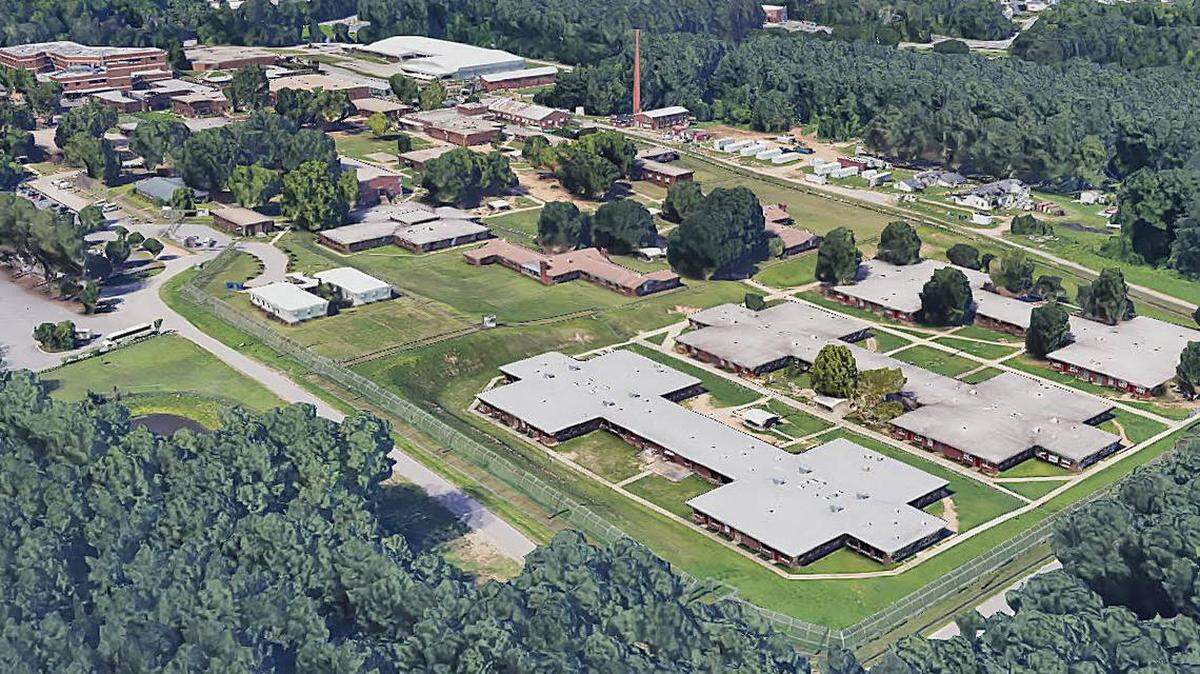
I’m an inmate at N.C. Correctional Center for Women in Raleigh, where I’ve served about four years of a six- to eight-year sentence for drug trafficking in Duplin County. During my incarceration, I have obtained my General Educational Development certification and have taken other courses so that I can succeed once I am released – if I survive imprisonment.
After eight moves within the state prison system, I returned to NCCIW a year ago, this time in the minimum-custody Canary Unit, formerly known as Raleigh Correctional Center for Women, or “Little Raleigh,” as inmates call it. It is the same nightmare I remembered from a prior stay.
Both facilities at this prison are in serious disrepair, with windows that don’t open or close, sinks and toilets continually breaking, and foul-smelling drains. We live in barracks-style “dorms” that are 20 feet wide by 65 feet long, with 18 sets of bunk beds and lockers.
In the dining hall, the cooler makes the food taste like a nasty chemical. More times than not, the food is not fully cooked, and is kept and served at temperatures below safety guidelines. Much of the kitchen equipment is broken.
Officers are overworked and underpaid, which leaves many of them petty, hateful, and uncaring.
Drugs get into the prison too easily. This reduces the likelihood and motivation for change among inmates here on drug convictions. I can’t imagine doing anything to bring me back here once I’m out, but for our “frequent flyers” it is a reality.
If you put a cookie jar on the counter and tell your children they can’t have a cookie and then walk away, how long do you think it will be before they sneak one? The same is true here for struggling drug addicts – until they learn to control their urge, they will fall.
Many inmates are bored, depressed, or just trying to fit in. For our population size, there are not enough jobs or classes to keep them busy. Once they have locked in their minimum sentence through good behavior, there is no further incentive to pursue classes or a job.
Now that Covid-19 is in the prison, there are no classes, very few jobs, no visitation, limited recreation time, and no relief in sight. We are packed 36 women in a dorm, 20 to 21 hours a day on our beds, struggling to stay sane.
Then they expect hundreds of women – who haven’t seen their family since March, and who have to fight for a spot to use the phone each day – to stay in these hot dorms without tearing each other apart. There is no air conditioning in the dorms, and it has been quite hot this summer. That alone raises frustration levels.
Some inmates have chosen to go on mental health medication, but with so many inmates to serve, the quality and accuracy of mental health services are inadequate to say the least.
Talking with long-termers, there was a time when it was worth behaving well here. Minimum custody, which you had to earn, came with benefits that encouraged some to seek it. Now the conditions, programs, and opportunities to further our education are woefully inadequate considering the cost to taxpayers of running the prisons.
The percentage of successful ex-offenders is gravely low. If the system operated right, there would be more of us out there working and paying taxes than warehoused here with poor health care at taxpayer expense.
Covid-19 has prompted many changes throughout society. Why not here?
This story was originally published September 28, 2020 at 12:00 AM.