
I cast my vote with gratitude for all who made it possible and for all it can possibly do
For the first time that I can remember, I will not vote at the polls this fall.
Instead, I got up one morning in late September, put on real clothes (i.e. not yoga pants and a hoody) for maybe the fifth time since March, and I drove my properly completed, witnessed, and sealed absentee ballot to the Wake County Board of Elections. I dropped it off at the highly organized office where there were people helping and directing from the moment I drove into the parking lot until the moment I drove out. Everyone was appropriately masked and socially distanced. The only downside – no I VOTED sticker.
It was a change for me.
Sitting in our driveway before heading to Raleigh, I did something else differently. I prayed over that ballot. I prayed to a God who chose to send goodness to this world in a baby born to a teenage mother and into a displaced, endangered family.
I prayed for the people prioritized in the teachings of Jesus for their vulnerability. I hope my choices help create better lives for all.
I prayed for the welfare of the city and for her leaders. I hope my choices help yield governance rooted in wisdom, compassion and honor.
I prayed for justice, mercy and righteousness.
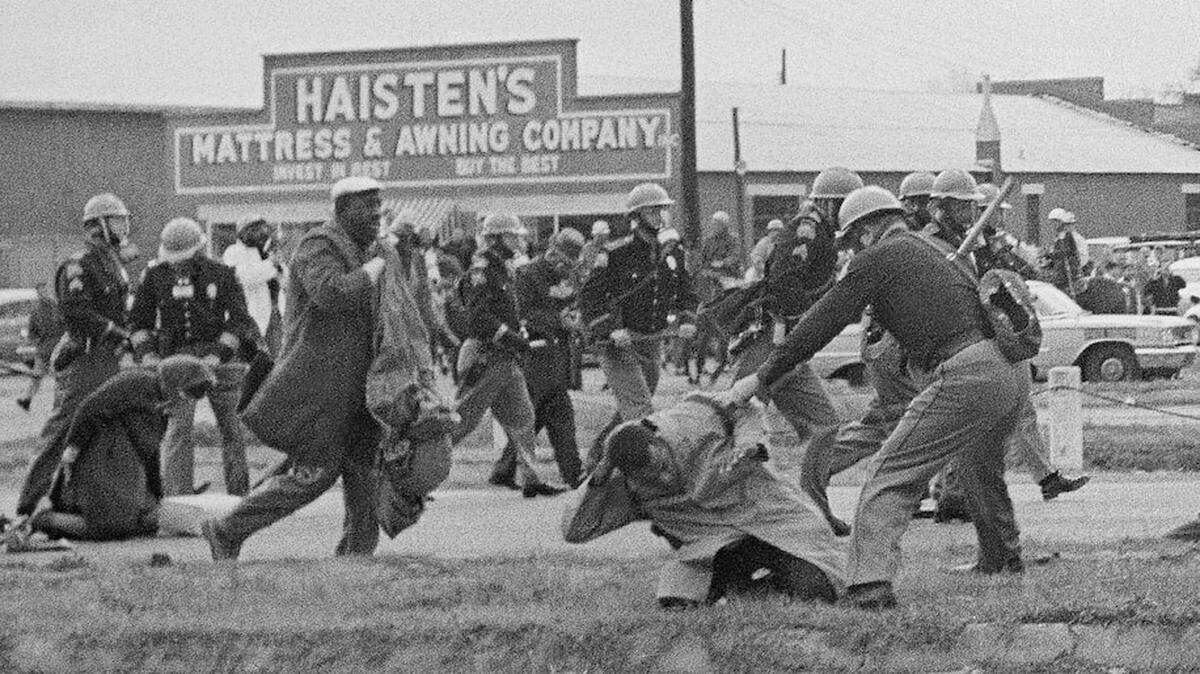
For some of us, voting is more than a civic responsibility – it is a faithful one. I come from people who were institutionally denied that right, who saw it effectively negated once granted, and who still must fight to maintain it. They endured humiliation and physical violence because they wanted better; it would be shameful of me to ignore their sacrifice.
Democracy cannot be ground down into iconography. Banners and songs are accessories to actual suffrage. They are a poor substitute for true justice, and that justice cannot happen without active engagement in the electoral process. Virtue signaling patriotism while attempting to unmoor democracy has nothing to do with we the people or perfecting our union.
Helping to get out the vote – by mail, early and in-person, or at the polls on Election Day – is a just and faithful goal in any political cycle, but particularly in one where efforts to confuse and complicate the process are intertwined with malicious attempts to undermine confidence in this foundational act. Unfettered access to the polls is a baseline for a healthy democracy.
I was a newborn, literally days old, on March 7, 1965 when “Bloody Sunday” occurred in Selma, Ala. My family lived 700 miles and four states away in a world without a 24-hour news cycle, social media or phones that curate tragedy.
“Things like that, they didn’t report like they do now,” Mom said when I called to ask her.
We are not that far removed from such horrific violence, and we feel tragically closer to it than ever. Some of our foremothers and forefathers were building this country before their humanity was counted in full here, even now their lives still don’t matter in swaths of it. So I vote for them, for my children and for those who will come next.
Congressman John Lewis, who was among those attacked on the Edmund Pettus Bridge, wrote, “The power of faith is transformative. It can be utilized in your own personal life to change your individual condition, and it can be used as a lifeline of spiritual strength to change a nation.”
My prayers over that ballot were for a better nation. The kind that Congressman Lewis and other spent their lifetimes trying to create. This is no time to give up on that.
This story was originally published October 16, 2020 at 12:00 AM.