
Stimulus package leaves local N.C. governments at risk
With the $900 billion federal stimulus package passed Monday, Republicans in Congress got their wish – none of it will go to directly assist cities and towns.
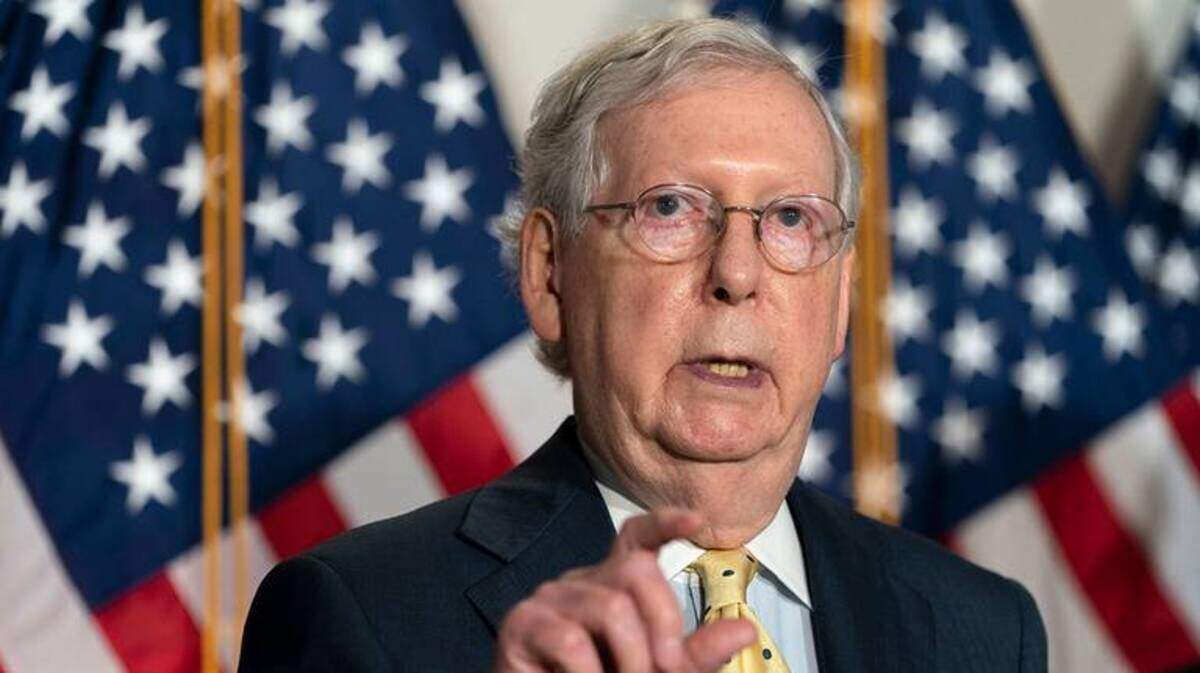
The opposition to helping local governments reflected Senate Majority Leader Mitch McConnell’s view that the package should not “bail out” blue cities that have supposedly mishandled their budgets apart from the pressures of the pandemic.
But that partisan slap will also hit a lot of Republican and nonpartisan municipal governments. And it will be especially painful not for big northern cities, but rural towns – like many in North Carolina – that are struggling to remain solvent.
U.S. Rep David Price, a Democrat representing parts of the Triangle and rural towns in the state’s 4th District, said in a statement, “The lack of direct state and local aid in the COVID-19 relief package was a stunning omission. This is not a red state or a blue state problem, nor a large city versus small town problem – the funding shortfalls are widespread and must be addressed.”
Salisbury Mayor Karen Alexander, vice president of the North Carolina League of Municipalities, is dismayed that aid to local governments was a casualty of partisanship.
“On the local level we are nonpartisan. We are not dealing with things that have a blue or red bent,” she told the Editorial Board. “We are dealing where the rubber meets the road. These are essential services that our citizens need every day no matter what party you lean toward.”
The omission in the relief bill punishes those on the front lines of the pandemic response – teachers, firefighters, police and public health departments. And it jeopardizes a level of government that provides the basic infrastructure and services local businesses need to function.
Asheville Mayor Esther Manheimer said Congress must reconsider funding local governments. “Cities in North Carolina depend on revenues that have been impacted by the pandemic, so cities and counties are also in need of federal support just to maintain basic services,” she said.
North Carolina’s local governments received relief in the first stimulus bill passed in the spring. Since then they have gotten by by drawing on their reserve funds and with help from an uptick in sales tax revenue over the summer, thanks to the first wave of stimulus spending.
But the pandemic has gone on longer than expected and its lagging impact on cities and towns will begin showing early in the new year. In Salisbury, for instance, Mayor Alexander said her town of 35,000 is projecting a 13 percent drop in property tax revenue because of businesses closing.
Other towns face similar shortfalls compounded by lower revenue from water, sewer and electricity fees because of a statewide moratorium on utility cutoffs. Some municipalities have postponed capital projects, delays that result in lost construction jobs.
Alexander said the most severe impact will be on the smallest of the more than 500 North Carolina governments that are part of the League of Municipalities. They could face insolvency if their reserves and credit ratings fall below state-mandated levels.
“Those that have struggled over losing industry or population are already teetering on the precipice of financial disaster and then you throw this in,” she said.
There’s hope that municipalities can hold off on layoffs and service cuts if the incoming Biden administration provides help. Mayors are particularly hopeful that President-elect Joe Biden’s call for major infrastructure spending will bring an infusion of federal dollars into local government.
But McConnell and other Republicans in Congress may yet get in the way. They shouldn’t. The health of local governments shouldn’t be subject to partisan fighting. As Alexander put it: “It doesn’t matter if you are red or blue. It’s about green – the money to pay for all of the expenses that go into making a municipality run efficiently.”
BEHIND THE STORY
MOREWhat is the Editorial Board?
The Charlotte Observer and Raleigh News & Observer editorial boards combined in 2019 to provide fuller and more diverse North Carolina opinion content to our readers. The editorial board operates independently from the newsrooms in Charlotte and Raleigh and does not influence the work of the reporting and editing staffs. The combined board is led by N.C. Opinion Editor Peter St. Onge, who is joined in Raleigh by deputy Opinion editor Ned Barnett and in Charlotte by deputy Opinion editor Paige Masten. Board members also include Observer editor Rana Cash and News & Observer editor Nicole Stockdale. For questions about the board or our editorials, email pstonge@charlotteobserver.com.
This story was originally published December 23, 2020 at 4:00 AM.