
During the pandemic, a stream, beavers and birds were fine companions
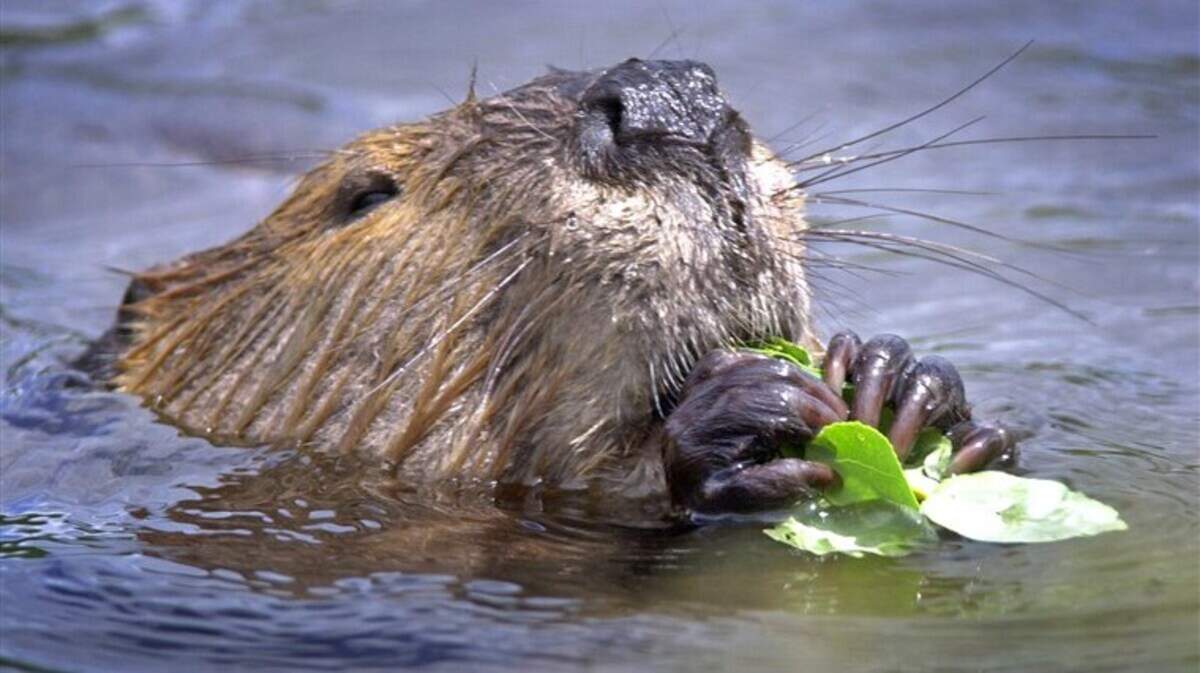
Rocky Run stream near Hillsborough is about to disappear, at least from where I stand. Not that it’s going anywhere, other than to recede into the leafing Piedmont woods that surround us.
Then again, the stream is going somewhere even as it follows its well-worn course, heading north toward the Eno River, which in other places would amount to a trickle the way a stately eastern white oak would seem a twig on a great western redwood.
Rocky Run’s course doesn’t vary much in its own narrow valley carved through quartz-pocked hills where fortune-seekers once sought gold. Well before the discovery of the precious metal in California, North Carolina was the major gold-producing state. Mining long ago vanished here in the modest Occoneechee Mountains, not worth the bother. Still, I pause to gaze hopefully at root balls of fallen trees when I walk the 26 acres we own, not sure I’d recognize gold in its natural, lusterless state if I saw it but open to being pleasantly surprised.
The stream is a constant, steady in its sinuous course even as it changes almost daily, its voice ranging from a whispered gurgle to a throaty roar depending on rainfall, upstream land disturbance, and the excavations of beavers, whose well-constructed dams outlast them by years.
When the state department of transportation wanted to replace the bridge over Rocky Run where it passes along the edge of the property we steward, an engineer asked permission to remove the beavers.
Removal means kill in North Carolina; no relocations are countenanced for these large rodents who defy human intention, clearing land with their teeth, felling trees and dragging, then floating them to build impoundments that soon attract fish, herons, geese and ducks. We resolved a long time ago to coexist with our amphibious neighbors, wrapping chicken wire around the bases of trees we chose to protect. Beavers belong here as much as we do, helping to accumulate bottomland soils and control erosion.
Besides, it’s fun trying to sneak up to their lodges at twilight, only to have them emphatically invite your departure with a sharp, loud smack of a flat tail on the water’s surface.
Having made my peace I told the DOT engineer we wanted the beavers left alone. Yet when the construction project concluded, the beavers, a species once hunted almost to extinction, were gone anyway. Their dam remains, a contribution to the neighborhood a bit ragged in spots for lack of maintenance. The other morning I was in the garden as a pair of geese noisily took off from the free-form pond the beavers created, honking far more musically than the vehicles on the interstates to the north and east.
Over the past year, restricted by the pandemic, I’ve spent considerable time watching Rocky Run through the kitchen windows, surveying squirrel-animated slopes and large deciduous trees that shoulder close.
Sometimes the stream – or is it a creek? – barely covers its rocky bed and can be crossed by an agile traveler willing to brave an occasional slip and wet feet. Other times the stream – or is it a branch? – is so turbid it’s difficult to gauge its depth as it eats at muddy banks and inundates ephemeral islands carpeted with wildflowers.
At all times Rocky Run indicates the relative availability of water if you think to look, a horizontal dipstick expanding and contracting to accommodate the flow. An abundant stream means there’s no need to be quick in turning off a running spigot. Drought is more than a nuisance when you depend on a well for drinking water, just as lack of companionship can parch the spirit when a person is locked away from normal life.