NC doctor: I’m patching healthcare holes in my community. Legislators can change that.
Welcome to NC Voices, where leaders, readers and experts from across North Carolina can speak on issues affecting our communities. Send submissions of 300 words or fewer to opinion@newsobserver.com.
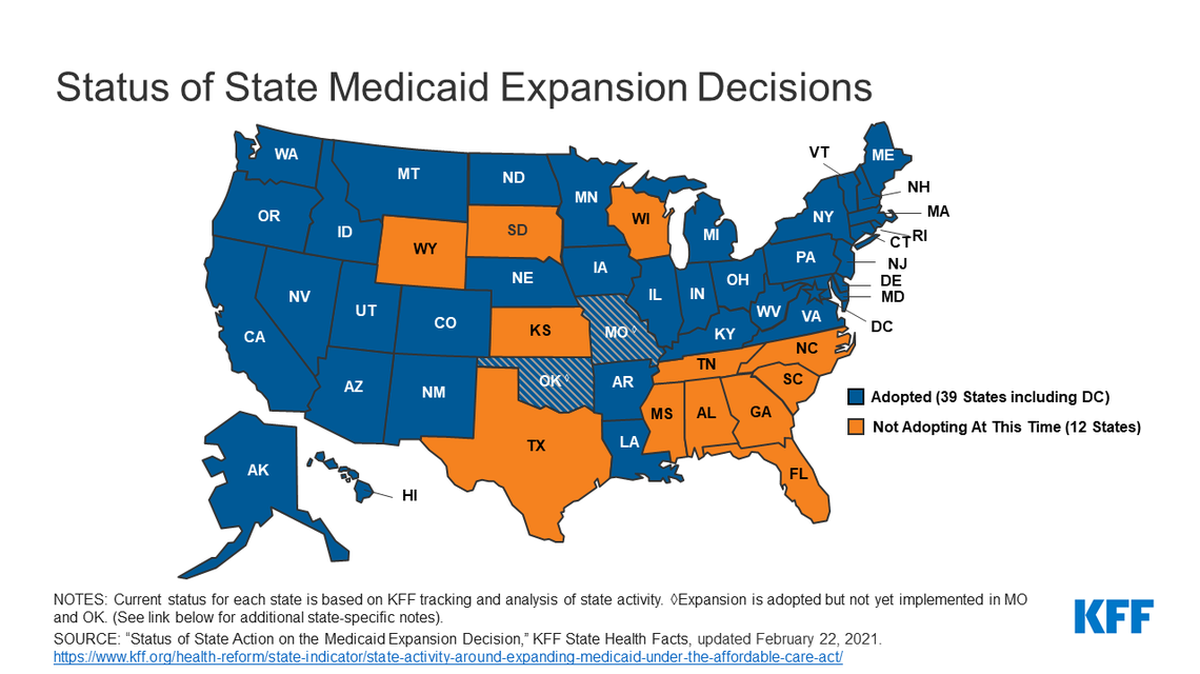
Why NC must expand Medicaid
When I started working as a physician in North Carolina, I was shocked to discover that every medical decision depends first on whether my patient has health insurance. Seventy percent of the patients I see now don’t.
Now, when I suspect a life-threatening blood clot, I must ask: Do you have the $2,000 to pay for an ultrasound?
These impossible decisions are part of the original pandemic. Untimely deaths from preventable conditions continue to ravage the community where I work. We’ve funded policing to keep citizens safe, but real safety comes from access to resources, not cops. I am stemming a flood, patching holes where we could be building alternatives.
The deck is stacked. Black Americans are at double the risk of having a first stroke as white counterparts. An Indigenous person born in our state can expect to live 5.1 years less than if they were born in California. And in N.C. nearly 1 in 3 Latinx individuals could not see a doctor in the past 12 months due to cost alone. In N.C., health insurance compounds these odds, often determining my patients’ fate.
This year, N.C. legislators have the chance to change the odds. Just as Durham Beyond Policing, Raleigh PACT and others have introduced bills to help reshape our systems of policing, we have a rare opportunity with the federal grants built into the American Rescue Plan Act. Accepting this federal incentive to expand Medicaid will save money and extend coverage to more than 682,000 North Carolinians. My patients can stop agonizing over impossible decisions, scrambling to save for the stress test that could save their lives. Almost 70% of N.C. voters favor expansion; why doesn’t the General Assembly agree?
Let’s invest in prevention and stop turning manageable diagnoses into a life sentence of unpayable hospital bills. Don’t let politics get in the way of our well-being. Put healthcare first and expand access to the life-saving services our communities need.
Dr. Laura Ucik, Henderson

Hurricane planning is more crucial now
The near miss with Tropical Storm Claudette last month and now tropical storm Elsa make clear that hurricane season is here. North Carolina residents and governments should act now to prepare for a hurricane coming ashore while COVID-19 still threatens the ability to respond.
A top preparedness priority remains safely sheltering North Carolinians evacuating out of the path of a storm. Currently, about 53% of N.C. residents have received a full COVID-19 vaccination, which means sheltering operations should be designed to still support social distancing and mask use. Ready North Carolina encourages citizens to include masks in their emergency supply kit in case they must shelter in a confined space with people who may not have been vaccinated.
Residents can also secure the supplies they may need to prepare for a storm. Last year’s toilet paper shortage has been followed by a shortage in lumber. Residents planning to board up doors and windows may need more time to find the necessary wood.
The pandemic has also created staffing shortages that are diminishing the distribution network for critical supplies. State, county and municipal governments can consider assessing their public-private partnerships now to ensure distribution nodes are supplied and adequately staffed.
Preparedness planning may have fallen behind, so anything local and state leaders can do to help communities prepare can be beneficial. There’s still time for things like tabletop exercises with federal and local partners, which make a difference.
This hurricane season is starting as state and local governments revert to in-person operations. North Carolina’s leadership can consider updating its plans for managing emergency operations centers and continuity of operations to account for this hybrid status and the evolving challenges the pandemic still presents.
North Carolina is one of only a few states to have managed a hurricane response last year during COVID-19. The first hurricane in 2020 was named in July so the time to start applying those lessons is right now.
Stephanie Murphy, Wilmington
Vice President for Preparedness, Tidal Basin LLC