
Push to recall Raleigh’s mayor is the wrong course for improving city government
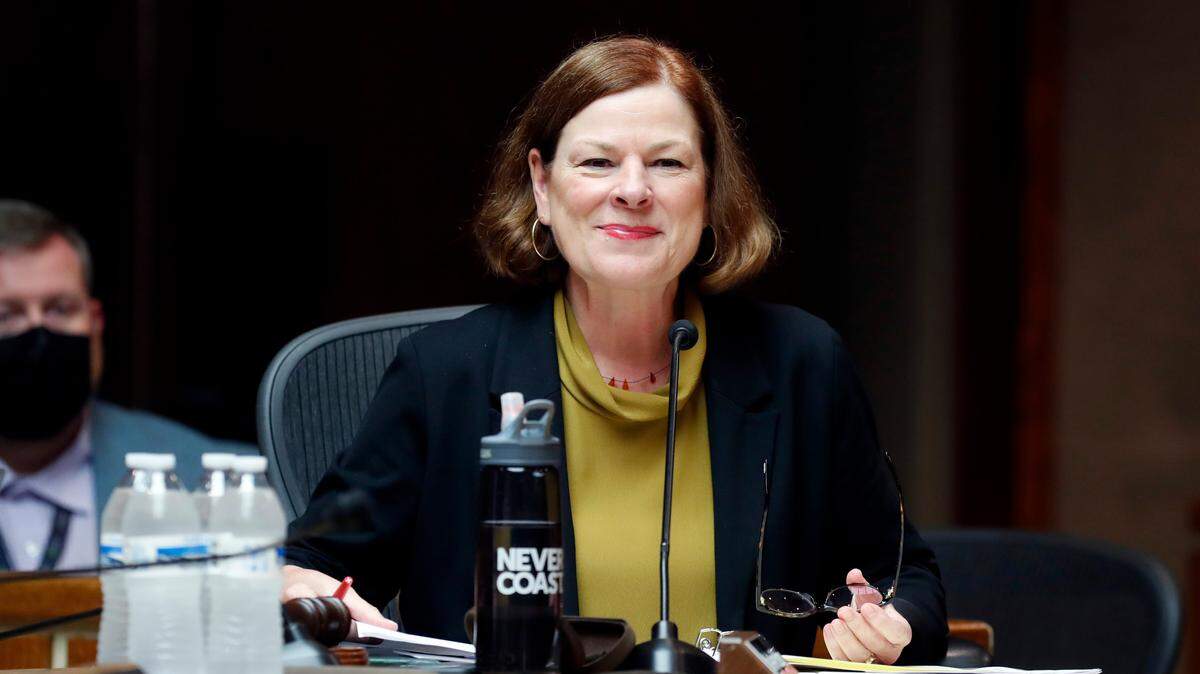
Livable Raleigh is a citizens group dedicated to encouraging smart growth. That’s a laudable goal, but there’s nothing smart about the group’s push to recall Mayor Mary-Ann Baldwin
The group has opposed Baldwin and most of the City Council members over what it considers their disregard for public opinion on development issues. But what brought on the recall drive isn’t directly about zoning, protecting neighborhoods or affordable housing.
Livable Raleigh is angry that the City Council gained the General Assembly’s approval to move next year’s city elections from March to November. The change also permanently moves city elections to even years and eliminates run-off elections. The candidate with the most votes wins, even if it’s a small fraction of the overall vote in a crowded field.
The changes, worked out in a closed session, also will give the current council members an extra eight months in office. The lack of public comment on the changes prompted Wake County’s five state senators to oppose the new election format, but it passed as part of a statewide elections bill.
Stef Mendell, vice chair of Livable Raleigh and one of the two former council members, along with Russ Stephenson, in the group, told the Editorial Board, “There are enough people who don’t think we can afford to wait another eight months with all the bad decisions (the City Council) has made. They need to understand there are consequences for that.”
Well, OK. But Livable Raleigh needs to understand there could be consequences for its own actions. Does it really think that the best response to the City Council’s decisions is to remove the head of city government amid a pandemic a year before an election?
Even if the recall succeeds, it wouldn’t reverse the changes in city elections. They are now part of a state law. And removing Baldwin would still leave the rest of the City Council in place. The recall effort is about symbolic punishment, not real change.
We agree that the Raleigh City Council and Mayor Baldwin have been somewhere between obtuse and ham-handed when it comes to transparency and dealing with the public. Disbanding the Citizen Advisory Councils without a replacement is a case in point. The mayor’s stressing decorum over applause, cheers and boos at public hearings has a muffling effect on democracy. And the changes in city elections should have been open to public debate.
It’s also true that the city is making economic progress, is well-regarded nationally and its residents are hardly in a state of popular revolt against the mayor and City Council.
This has been a difficult time to govern. The pandemic reduced government transparency at all levels. Pandemic-related delays in Census data have forced Raleigh and other governments to push back elections until they can properly redraw voting districts. There is a lot of frustration and miscommunication when government is conducted through virtual meetings and election dates must be changed.
The best response isn’t to give up on the process and seek an election that would take Raleigh to the edge of mutiny. If Livable Raleigh wants to make Raleigh more livable, let it first promote an orderly form of government. It shouldn’t dissipate its energy on a foolhardy recall effort at a time when Raleigh is getting back on its feet. Instead, ask Wake County legislators to back a local bill resetting Raleigh election rules and focus on the November 2022 election.
Baldwin is aware that the city needs to be more open and responsive. She regrets that the pandemic stalled a quick replacement for the Citizen Advisory Councils, but the city is creating a new office focused on improving community engagement.
Meanwhile, the mayor is ignoring the recall drive. “I’m staying focused on what voters voted for me to do: housing, commuter rail and looking at ways to be innovative and spur our entrepreneurial community,” she said.
If Livable Raleigh has winning ideas, its favored candidates will win. That’s how positive change occurs. It’s not about taking out the mayor in a recall election involving a small fraction of the voters and igniting a political war. It’s about channeling the true will of the people toward a better city. For that, Livable Raleigh and all of Raleigh should be willing to wait until November 2022.
BEHIND THE STORY
MOREWhat is the Editorial Board?
The Charlotte Observer and Raleigh News & Observer editorial boards combined in 2019 to provide fuller and more diverse North Carolina opinion content to our readers. The editorial board operates independently from the newsrooms in Charlotte and Raleigh and does not influence the work of the reporting and editing staffs. The combined board is led by N.C. Opinion Editor Peter St. Onge, who is joined in Raleigh by deputy Opinion editor Ned Barnett and in Charlotte by deputy Opinion editor Paige Masten. Board members also include Observer editor Rana Cash and News & Observer editor Nicole Stockdale. For questions about the board or our editorials, email pstonge@charlotteobserver.com.
This story was originally published July 22, 2021 at 12:00 AM.