
Americans aren’t solitary cowboys. Our common bonds can lift us all.
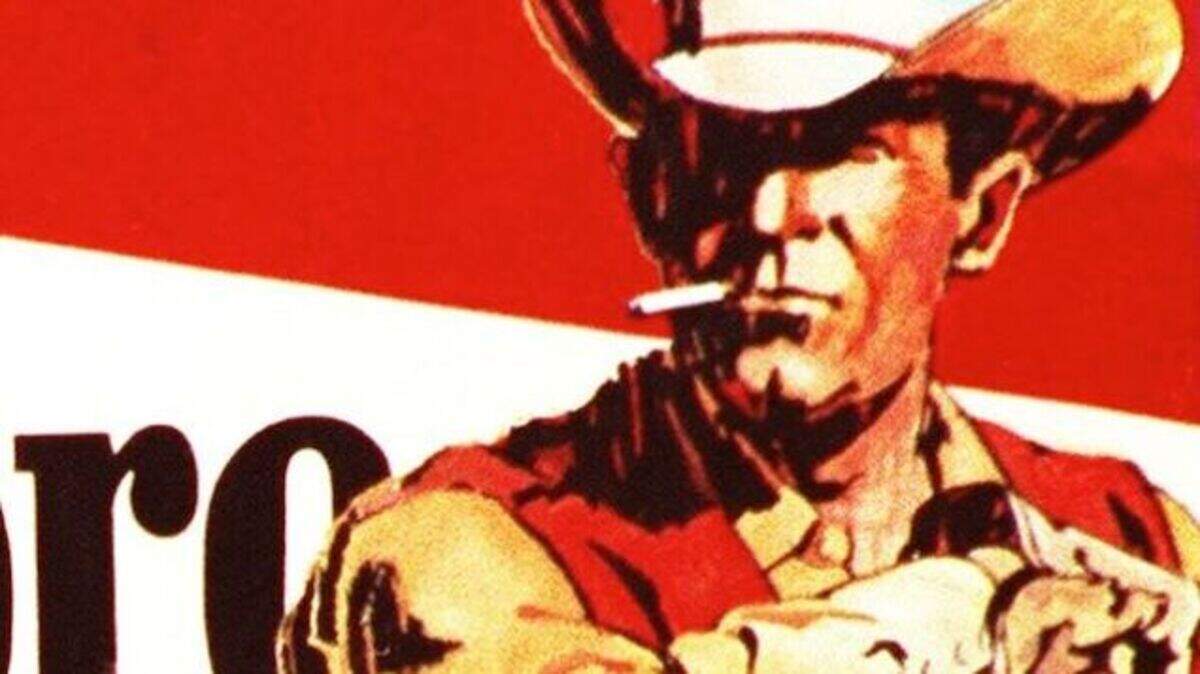
There are few more powerful national myths than that of America’s favorite cowboy: the Marlboro Man. With his 1,000-yard stare, two-day stubble and windswept expression, the Marlboro Man was so successful an example of rugged, macho independence that he was Marlboro’s brand ambassador for 45 years. He belonged to no community or banner; he had no commitments or obligations. Implicit in Marlboro Man’s particular variety of “freedom” was a lack of consequences – probably a key message that Marlboro hoped to associate with its cigarettes. To be a rugged individual, so went the tale, meant to be on your own.
“On your own” is, indeed, how many Americans have felt in the two decades since the Marlboro Man campaign was retired. As millennials, my generation has watched as our leaders’ interest in our economic security steadily waned in lieu of waging endless wars and greasing the tax system to enrich big corporations. They invoked the gospel of rugged independence when companies junked their pension plans, and again when conservative North Carolina lawmakers crippled our unemployment insurance system. It provided the rhetorical cover to steadily hollow out the basic administrative capacity of our government, whose very existence they demonized.
The consequences of that divestment have been painful. Last year during the COVID outbreak, North Carolina’s unemployment insurance system buckled: 80% of all unemployment income North Carolinians eventually received came from the feds, not our state system. Congress allotted $47 billion for rental assistance during the pandemic, but only $3 billion was actually disbursed to help renters and landlords, as overwhelmed (and sometimes hostile) state and local governments choked. Americans are paying the price for that dysfunction now with a looming eviction crisis. It turns out, “independence” is very expensive.
The obsession with placing personal whims over the common good sets the stage for our current arguments over masks and vaccines. Our basic connections to one another, as citizens and people, are now up for debate. The protester’s sign that screams “Your health is not my responsibility!” says that he recognizes no obligations to his neighbor at all; that he is a nation unto himself. Of course, this is absurd. When your unvaccinated neighbor contracts a bad case of COVID and is hospitalized, he will expect high-quality, full-time medical care by compassionate and trained professionals. His insurance, which is cross-subsidized by thousands of others, pays for his stay. If he is uninsured, the public and other hospital patients pick up the tab. Don’t expect a thank-you.
This cult of “don’t tread on me” hyper-individualism has infected our politics because it festers in our culture. It breeds distrust of our neighbors, fellow workers and citizens, and whittles away the emotional and civic ties and obligations we have - or had - to each other. It thrives on conspiracy, prejudice and innuendo, and mocks calls for unity or common purpose as scams. It drives people apart in a world that increasingly demands collective action.
The Marlboro Man was not just a fantasy – it was a marketing campaign. In real life, five of the Marlboro Man actors died of smoking-related cancers. (Another quit the lucrative gig out of concern his children might start smoking.) Here in the real world, we are in this together: there are no Marlboro Men.
Our fates, our health, our economic security, and our futures are all bound together across political, racial and class lines. That is what it means to truly be a part of a community – and our community must do much better. Reject the cynicism that says everything is broken and it’s useless to try. All of us, as individuals, need to reclaim and rediscover what it means to act as a community again – and encourage each other, but especially our leaders, to do better.