
Those in health care should care enough to get the COVID vaccine. Mandates make sense.
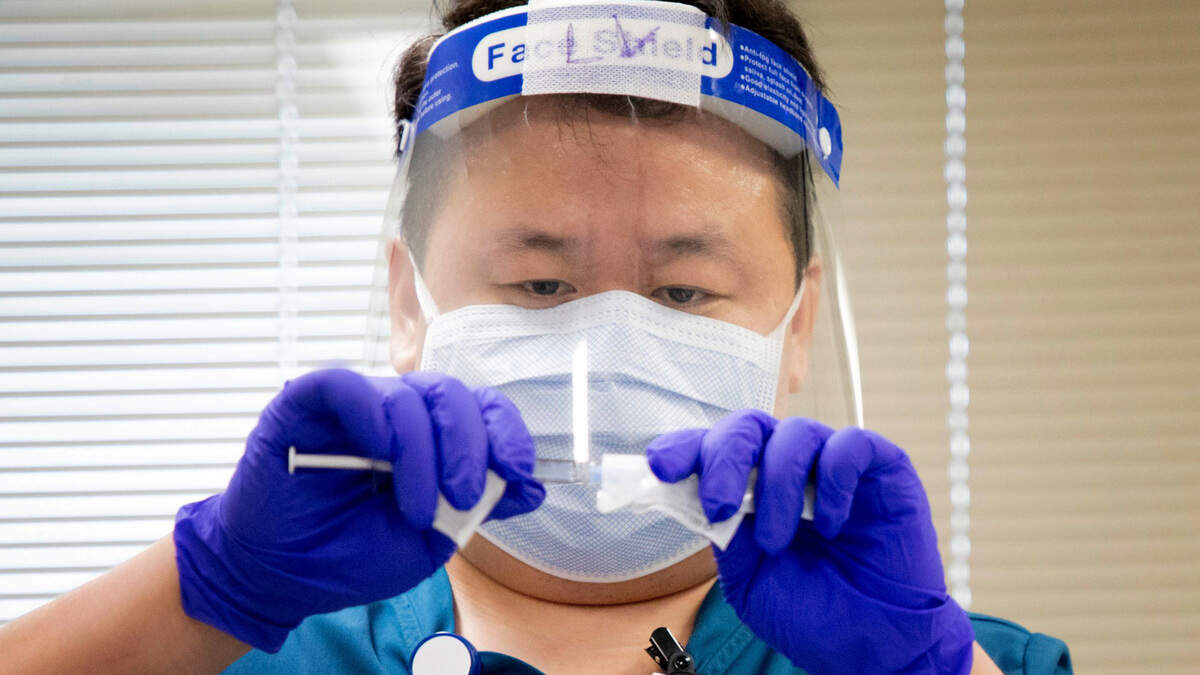
In the months leading up to the emergence of COVID vaccines, few expected there might be significant resistance to getting inoculated.
Fewer still expected that the resisters would include nurses and nursing home workers.
But eight months after the start of public vaccinations in the U.S., a surprising number of the holdouts work in health care settings, where the benefits of vaccines are understood and the toll of the virus is painfully clear.
Dennis Taylor, an acute care nurse and president of the North Carolina Nursing Association (NCNA), cares for COVID patients at Atrium Health Wake Forest Baptist Medical Center. He said all of his patients on ventilators have been unvaccinated and among those who have recovered, “every single one has intimated that, yes, they wish they had gotten the vaccine.”
Taylor can only shake his head at why a nurse would turn down a shot that offers protection from the highly contagious and potentially deadly virus.
“Being vaccinated is nothing new to nurses and vaccine mandates are not new,” he said. “It is somewhat baffling to figure out why there is so much resistance to it.”
A recent national survey of nurses by the American Nurses Association shows 88% of respondents are vaccinated or plan to be, but 7 percent said they do not plan to get the shot and 4 percent were undecided. Among nursing home workers, vaccine hesitancy runs even higher. Recent federal data show that the average level of vaccinated staff is 61 percent .
Meanwhile, North Carolina hospitals and nursing homes are contending with a shortage of nurses and staff during the pandemic. They can ill-afford to lose more if some resist a COVID vaccine mandate, but most large hospitals systems are imposing the requirement and nursing homes face a federal vaccine mandate tied to Medicare and Medicaid funding.
This hard line approach is needed and overdue. It’s frustrating that a sizable slice of the general public won’t get vaccinated, but it’s intolerable that those who care for the sick and vulnerable would be among those refusing.
Some Republican state lawmakers, who have been consistent in opposing shutdowns and mask requirements during the pandemic, now object to the hospital vaccine mandates. Fifty nine of the 69 House Republicans signed a letter asking hospital leaders to reconsider the requirement.
Reasons for vaccine hesitancy and outright resistance vary. Nursing home workers, who are low paid and predominantly Black and Hispanic, appear to resist the vaccine because of mistrust of the medical establishment and misinformation they receive from family, friends and social media.
The resistance among nurses, who are educated in medical science and subject to mandatory vaccinations against other illnesses, is harder to explain. The strongest objection appears to be about the safety of the vaccines, a worry that’s unlikely to recede even with this week’s FDA approval of the Pfizer vaccine.
Joseph Burke, a nurse at Vidant Medical Center in Greenville, told WITN TV during an Aug. 12 protest against mandatory vaccinations, “I don’t want to put that in my body because I don’t know what it’s going to do now or 10 years from now. And they can’t say that they know, because they don’t.”
Alan Wolf, a spokesman for UNC Health, said a mandate that all employees get vaccinated by Sept. 21 has cost the health care system workers even as it has 1,100 nursing positions open.
“We have had a handful resign already, citing this new requirement, and several who have declined job offers,” he said. But he added, “We’ve had a much greater number who are already vaccinated and who appreciate the decision.”
Mandates are hard to impose, especially when the requirement involves injections, but those who choose to work in health care shouldn’t have a choice about getting vaccinated.