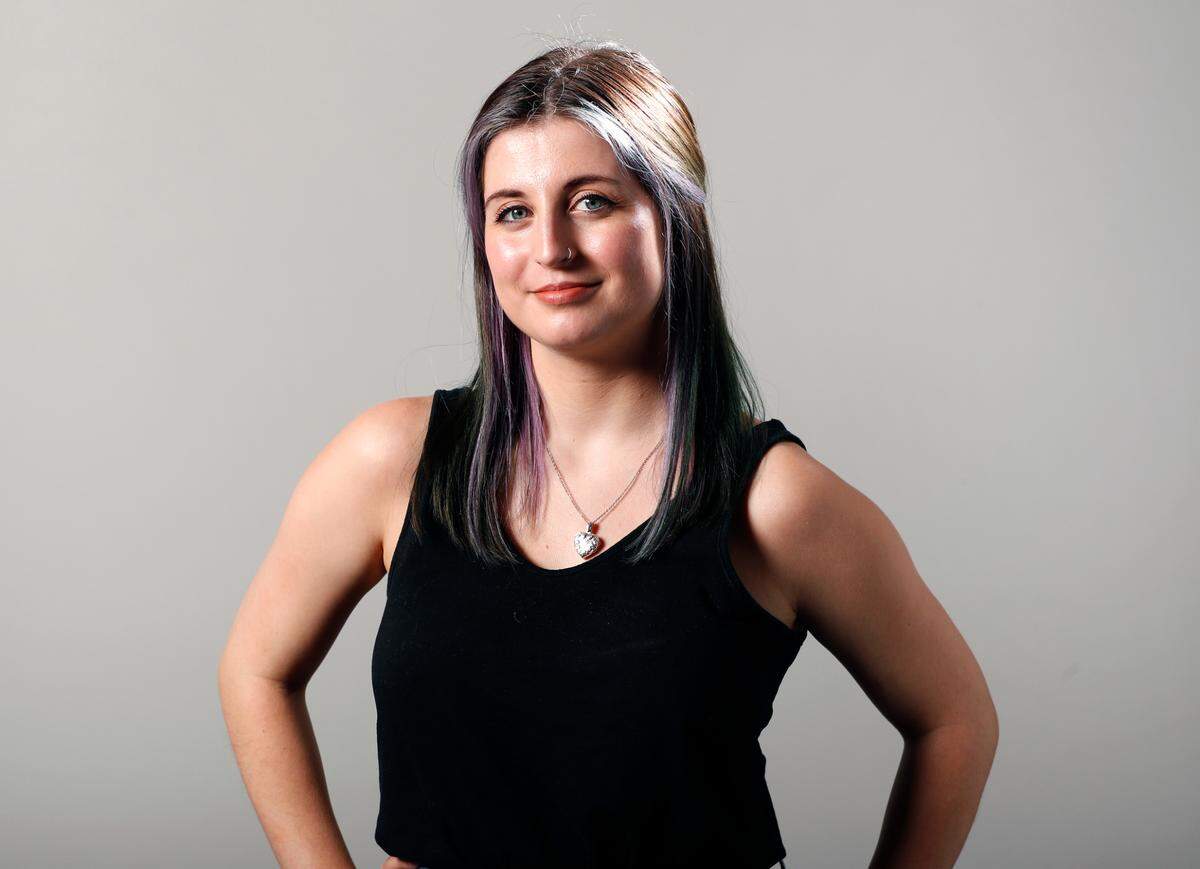
20 years after Sept. 11, NC’s first Muslim woman official still sees its effects
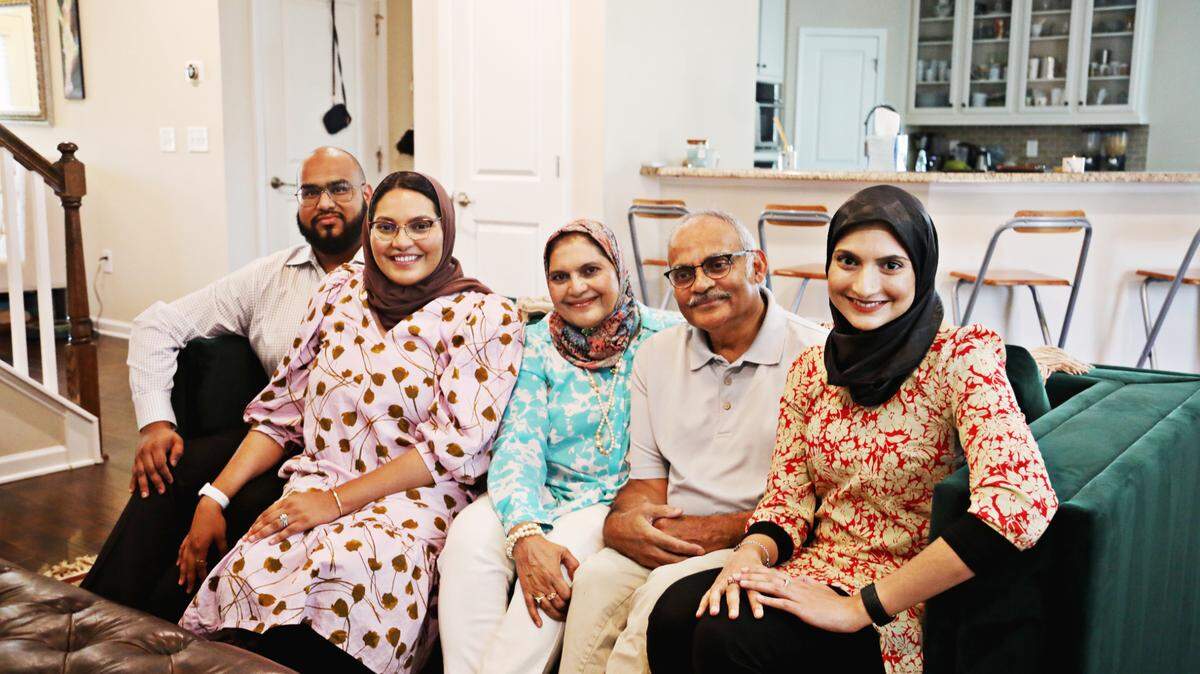
Parents want to protect their children. Nida Allam’s parents did.
Allam, a Durham County Commissioner and the first Muslim woman to hold elected office in North Carolina, was in third grade when the World Trade Center was attacked by Islamic extremists. Her parents tried to insulate their daughters from the aftermath, but they weren’t at school with their children.
At school, Allam’s teacher asked her to stand up and tell the class about her faith. At first, she didn’t mind it.
“When you’re a kid, when you’re getting that type of attention, you’re like, ‘Oh, this is something cool,” Allam says. “But then they started getting into questions about 9/11, and I was like, ‘I have no idea what this is. I don’t know what’s going on. And what does this have to do with me, or Muslims?’”
The Sept. 11 plane attacks were horrific; the subsequent treatment of Muslims in the United States has been horrific. Both of these things can be true.
As we contemplate the 20th anniversary of the attacks, we must also consider the consequences. For young adults, these consequences have shaped our worldviews. For young Muslim adults, these consequences have shaped everything.
Allam’s sisters and mother wore the hijab. They were spat on at the grocery store. Her mother, a substitute teacher, had students ask if she was Osama bin Laden’s cousin. Even though Allam wanted to begin wearing the hijab like the women in her family, her family made her wait.
“Muslim women definitely get targeted a lot more, especially [those] who wear hijab,” Allam says, comparing the experience of Muslim men and women. “We stick out like a sore thumb like in a crowd.”
That visibility has had violent consequences.
In 2015, three students—Razan Mohammad Abu-Salha, Yusor Mohammad Abu-Salha, and Deah Shaddy Barakat—were killed in their Chapel Hill apartment.
The shooter, Craig Hicks, had antagonized other neighbors of color in the past, according to the Durham County DA’s office. He was also very vocal about his hatred of organized religion. Allam, who was friends with the trio, says things didn’t escalate until the sisters, both hijabis, were there.
Their deaths led Allam to become involved in local politics. She says Muslim voices were needed in all conversations, including and especially in politics. As late as 2013, Republican members of the General Assembly stoked fears of Sharia being used in the U.S. by comparing it to the attack on Pearl Harbor. That led to North Carolina’s ban on “foreign law,” which is still on the books.
“We were put into this bubble, that we had to condemn every action by someone overseas,” Allam says. “But then no one would ever condemn actions against us. No one would ever stand up for us.”
Awareness of anti-Muslim bias may be growing, but stereotyping and harassment are still prevalent. Even in Durham, Allam has experienced Islamophobia from liberals after stepping into politics, and worries it’ll cause her family to be targeted.
“During my election, there was somebody who was working the polls for one of the other candidates who stood by and told voters, ‘No one’s gonna vote for her because of that thing on her head,’” Allam says. “And this is a Democrat.”
After her election, she received 15 voicemails from another Durham community member where she was repeatedly referred to as “that Muslim woman,” and asked about her birth certificate.
Twenty years after the Sept. 11 attacks, North Carolina and many other states prepare to welcome Afghan refugees into the country following U.S. withdrawal from the country. Allam advises the community to be patient and empathetic with them.
“They didn’t run away from the problem; no, they escaped for their lives,” she says. “Be good human beings to each other.”
This story was originally published September 9, 2021 at 11:55 AM.