
Republicans want more tax cuts, but NC may be headed toward a revenue cliff
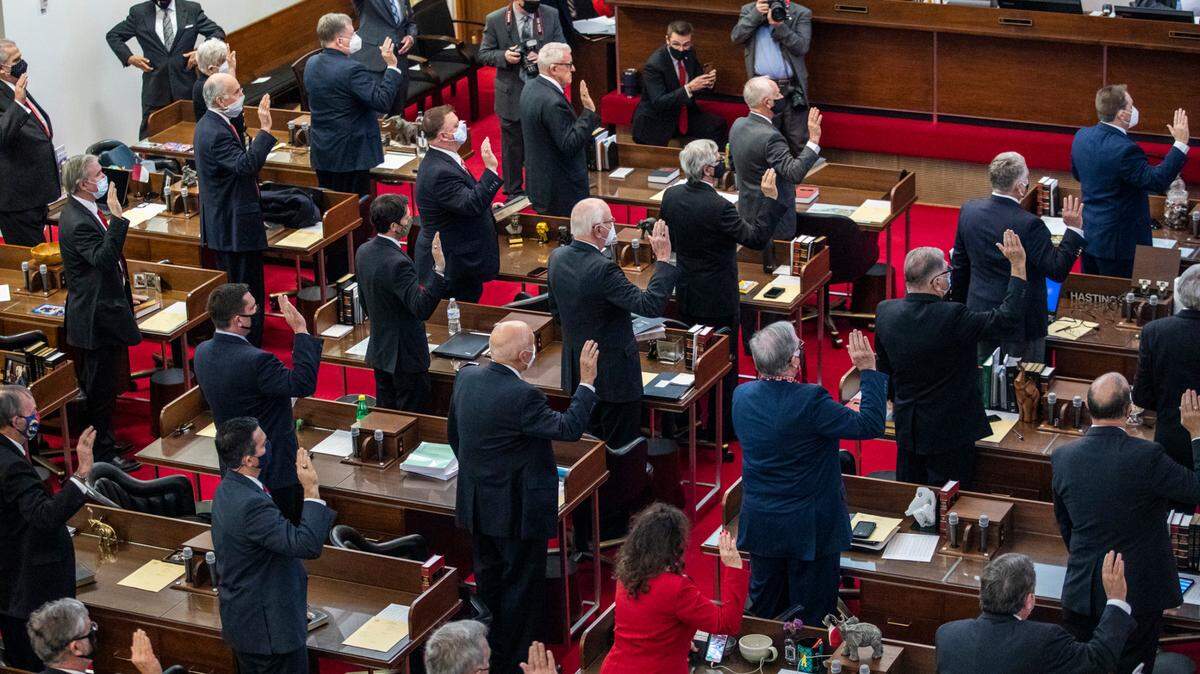
The Grand Old Party’s state lawmakers are having a grand old time crowing about how their rule of the General Assembly since 2011 has transformed the state’s governance.
Senate Leader Phil Berger said the state’s new budget “continues the Republican-led legislature’s decade-long commitment to low taxes and responsible spending.” He added that such restraint enables them to hand yet more money back to taxpayers. “The multibillion-dollar surpluses these policies helped create are evidence that they’re working, and it means we can cut taxes even more,” he said.
There’s nothing remarkable about how Republicans have been able to cut corporate and personal income taxes and generate surpluses. If you don’t pay to maintain your home, you’ll have more money in your checking account for a while. The tax cutters have also leaned on increases in fees and fines and an expansion of the sales tax.
But nearly two years into the pandemic, the Republican claims are even more hollow. It was a gusher of federal spending that lifted the economy and boosted state tax revenue in North Carolina and across the nation. The Tax Policy Center at the Urban Institute reported last week that total state tax revenues saw double-digit growth from April to October of this year.
But the Tax Policy Center cautioned against states seeing this temporary abundance as a time to cut taxes even as the pandemic continues to disrupt the economy. Lucy Dadayan, a senior research associate at the center, said, “The longer-term impact of the pandemic on state budgets is still uncertain, so state officials should be prudent in their policy decisions, especially in terms of making permanent changes in their tax systems.”
Alexandra Sirota, director of the NC Justice Center’s Budget and Tax Center, fears what will happen when the temporary boom passes and the new tax cuts take hold. State tax cuts since 2013 have already cost the state billions of dollars, a loss that has widened holes in the state’s safety net and deprived public schools.
More tax cuts passed this year at an estimated cost of $13 billion over the next five years will take North Carolina further down the path that Kansas embarked on in 2012. Kansas bet on the supply-side idea that sharply cutting taxes would generate more revenue by stimulating the state economy. After four years of weak economic growth, rising deficits, budget cuts and neglected needs in housing, education and public services, most of the tax cuts were repealed in 2017.
“Both sides of the aisle in Kansas agreed that was not the way they wanted their state to move forward and they made a change,” Sirota said. “How bad does it have to get before that happens here? I’m afraid of what that is.”
As the state copes with the costs of tax cuts, I asked state Senate Minority Leader Dan Blue, D-Wake, where North Carolina would be today had the 2010 election not moved the legislature sharply to the right.
Blue said Democrats would have passed Medicaid expansion as early as 2014. That would have brought billions of federal dollars into the state, boosting rural hospitals, creating health care jobs and providing health insurance for some 500,000 North Carolinians. He said Democrats would have funded public schools in accordance with the Leandro ruling and they would have pushed to bring North Carolina teacher salaries up to the national average.
Yet, after a decade in the minority, Blue prefers not to dwell on what might have been.
“You think about it, but that’s not the world we operate in,” he said. “I think we would be much further down the road as a state if Democrats had been in control, but you just keep working for progress.”
But instead of progress, Republican tax cuts are taking the state backward toward a revenue cliff.
This story was originally published December 19, 2021 at 4:00 AM.