
A strange swing in NC’s weather offers a reminder about a changing climate
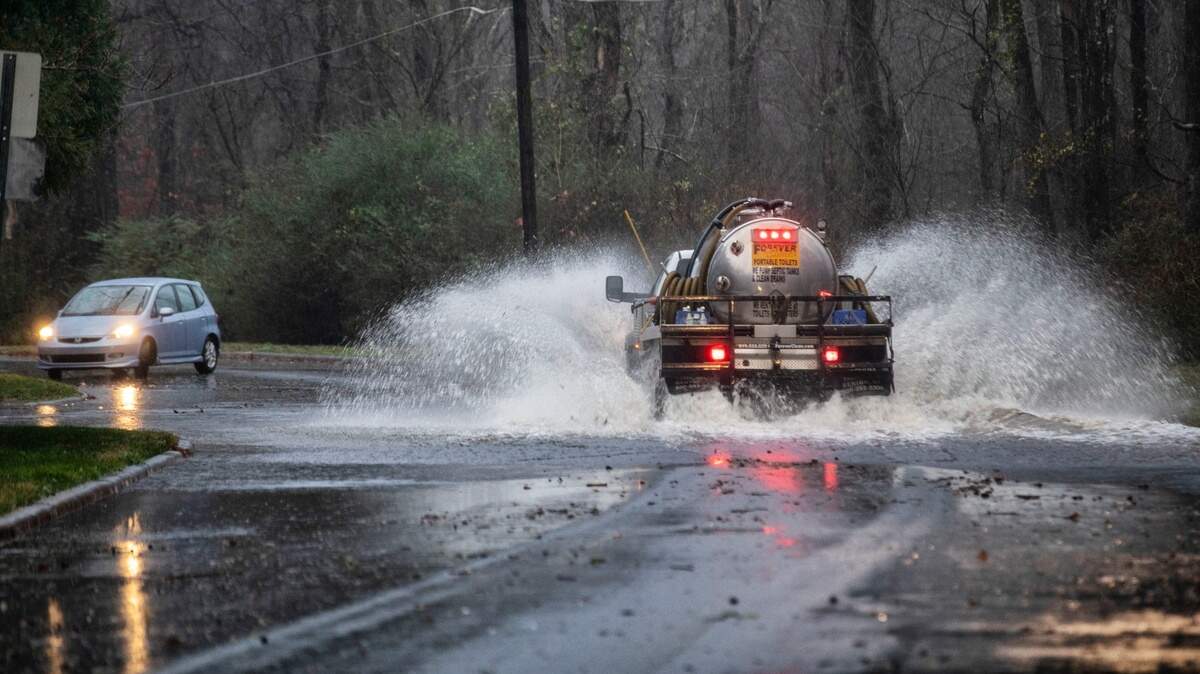
As the year turned, the weather whipsawed North Carolina.
People joked about global warming as temperatures climbed into the 70s in late December, but as much of the state woke to wind, hail, snow and flooding on Monday there came a sobering reminder of how the weather can change.
Extremes of warmth and cold coming just days apart hardly tell us anything about a changing climate. After all, when the temperature hit a record 73 degrees at Raleigh-Durham International Airport on Dec. 17, it broke a record of 72 degrees set in 1924. It was that abnormally warm nearly a century ago.
Still, a sudden swing in the weather does have the virtue of making more people contemplate what most people think too little about – climate change. Around the globe, weather is turning extreme as greenhouse gases trap heat in the atmosphere and upset the vast but delicate balance of nature.
In North Carolina, a state of widely varying weather conditions from the mountains to the coast, climate change is already having a clear effect. The past decade ranks among the warmest ever recorded in the state. In Charlotte, for instance, the last seven years rank in the top 10 warmest years on record.
The future consequences of rising temperatures in North Carolina are starkly described in the North Carolina Climate Science Report. The 2020 report by 15 North Carolina climate scientists was compiled in response to Gov. Roy Cooper’s Executive Order 80 calling for the state to assess, prepare for and do what it can to reduce climate change.
The report’s summary opens with a blunt assessment:
“Our scientific understanding of the climate system strongly supports the conclusion that North Carolina’s climate has changed in recent decades and the expectation that large changes—much larger than at any time in the state’s history—will occur if current trends in greenhouse gas concentrations continue. Even under a scenario where emissions peak around 2050 and decline thereafter, North Carolina will experience substantial changes in climate.”
Among the changes the report predicts with the “highest level of scientific confidence” are warmer overall temperatures, intense summers as more humidity combined with more days above 95 degrees will make hot days feel even hotter, rising sea levels that will make coastal flooding common, more frequent heavy downpours, but also more extended periods without rain. November 2021 in North Carolina was the driest month in 90 years.
The state’s most dramatic weather event – hurricanes – may not increase in number, the report said, but “heavy precipitation accompanying hurricanes is very likely to increase, increasing the potential for freshwater floods.”
A North Carolina of more stifling summers, snowless winters, flooding from rising seas and wetter storms is a grim prediction, but in some ways it can be mitigated. Cutting greenhouse gas emissions will do the state’s part in that global effort. The state energy law passed last year will encourage a faster transition to clean, renewable energy.
Meanwhile, the state can work on its resilience through changes in infrastructure to control flooding and changes in land use to move more people and structures out of harm’s way.
Cooper has rightly taken up the challenge to get North Carolina ready. It would help if the Republican leaders in the General Assembly also committed to confronting the inevitable.
Kathie Dello, an N.C. State University professor who serves as the state climatologist and head of the State Climate Office, was among the report’s authors. She hopes the state’s cities and counties will adjust to climate change by building up their resilience to its effects.
“We still have a chance to reimagine how we’re doing things,” she said.
As the climate changes, so should we.