A new book banning in NC. Are the flood gates opening?
Months ago, the News & Observer wrote about how North Carolina’s neighbors in Virginia and South Carolina are banning and challenging important works, and why we should take it as an omen that book banning would come to North Carolina.
It’s safe to say the bans are here.
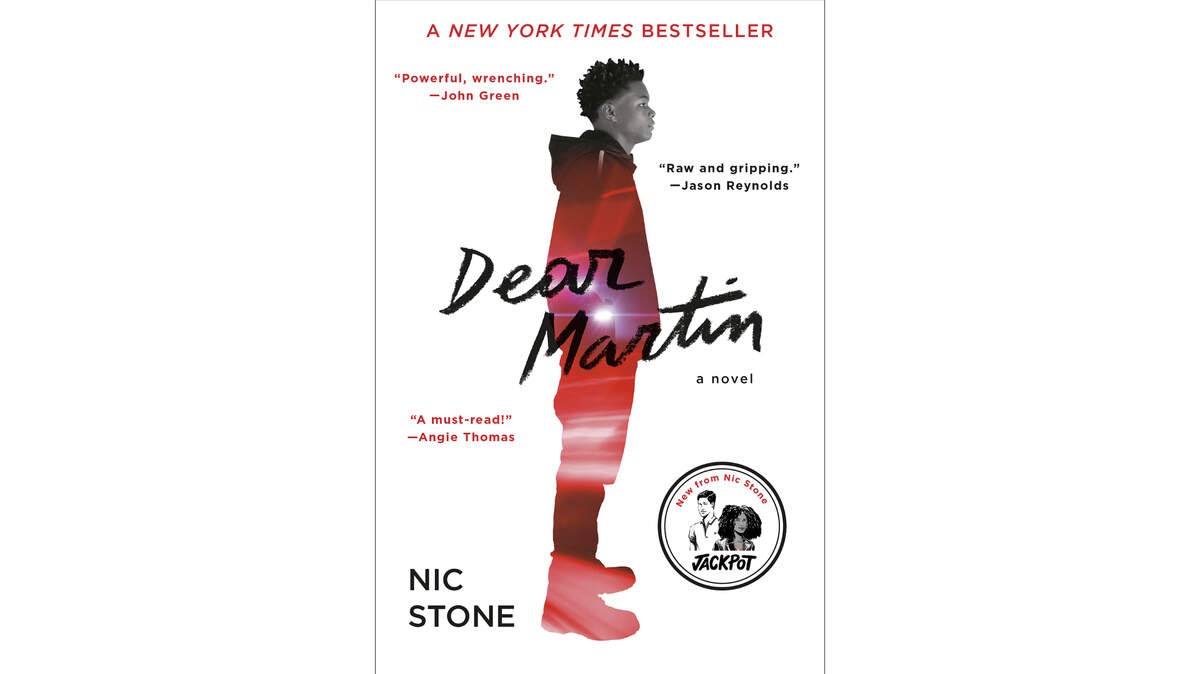
A superintendent in western North Carolina made news this week for removing Dear Martin from a 10th grade English class. The book tells the story of a Black student attending an Ivy League university who becomes the victim of racial profiling that includes a letter from the protagonist to Martin Luther King, Jr.
The book removal occurred in Haywood County, a small, rural county in the Asheville metropolitan area that is more than 92 percent non-Hispanic white. The book’s removal occurred days before MLK Day, after one parent objected to the profanity in the book.
Superintendent Bill Nolte, who has previously been under fire for sharing anti-Black Facebook posts, didn’t read the book before pulling it. In the span of a few hours, he says he spoke to people who had “read sections of it,” read parts of it online, and decided there was too much swearing for a class of 15-year-olds, according to his interview with the Popular Information newsletter. Nolte didn’t discuss the decision with the teacher before making the decision, nor was the initial complaint in line with the school’s policies on making a complaint.
The speed and lack of contemplation about such a decision is alarming. It’s worth repeating what we said months ago: books are the best opportunity for young people to experience worlds outside of their own, especially in the state’s rural, predominantly white communities. Students could have their first understanding of police brutality and racial profiling in these instances; instead, they are being denied these stories by a single parent who wants to speak for a whole community, and a superintendent that will happily oblige.
It’s not the only instance of book banning we’ve seen in the state recently. Wake County Public Library removed its copies of Gender Queer from rotation in a potentially unconstitutional move after receiving some complaints. Eventually, it was reinstated. The Orange County School Board voted unanimously Monday to keep copies of Gender Queer and two other LGBTQ-focused novels in their high schools. The vote had to occur after some parents complained.
It’s part of a dangerous wave. A recent NBC News story found that of 100 randomly-selected school districts in Texas, there were 75 formal requests to remove books from libraries within the first four months of the school year. By comparison, there was only one formal request in the same schools and timeframe a year earlier.
In recent weeks, a Tennessee school board banned the graphic novel Maus, in which the author tells his father’s story of surviving the Holocaust through animals. The book was allegedly banned for swearing and nudity.
“It shows people hanging, it shows them killing kids, why does the educational system promote this kind of stuff? It is not wise or healthy,” school board member Tony Allman said of the book, seeming to dismiss the fact that children were Holocaust victims and survivors.
““He is trying to portray that the best he can with the language that he chooses that would relate to that time, maybe to help people who haven’t been in that aspect in time to actually relate to the horrors of it,” an instructional supervisor responded.
That aspect in time, that aspect of identity, or that aspect of our current reality. Books serve a powerful purpose. Banning them sends a powerful message.
This story was originally published February 1, 2022 at 1:34 PM.