
Why sex education in NC schools needs a serious update
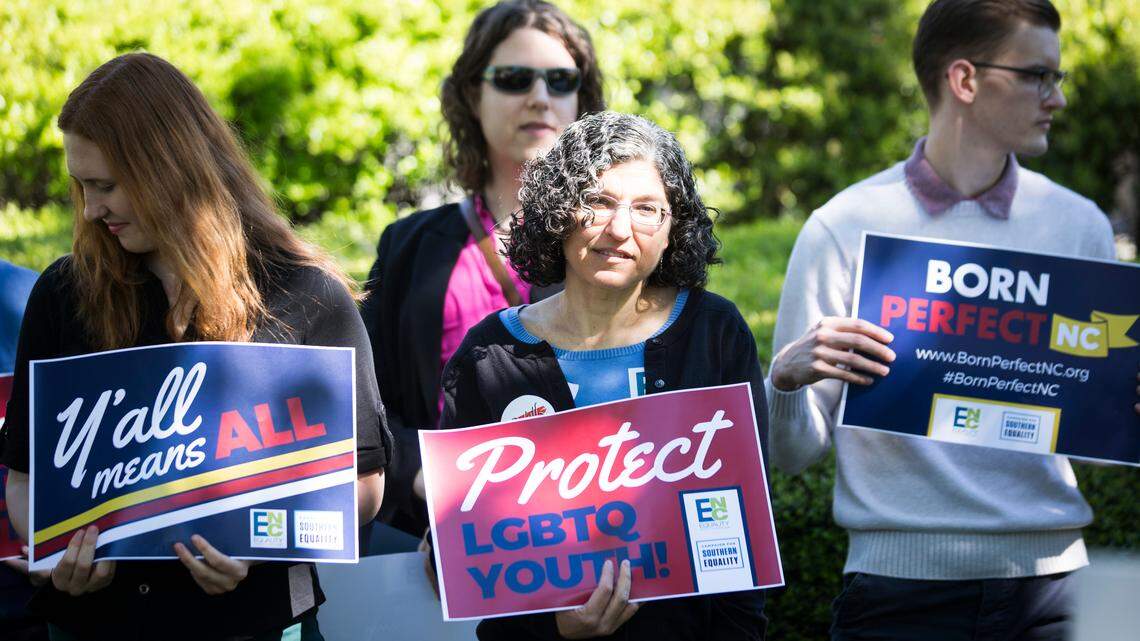
The year 2021 was tumultuous for North Carolina. We saw a multitude of anti-transgender bills attacking youth by limiting participation in sports, removing access to gender-affirming care, and advancing religious freedom to discriminate.
Hateful anti-LGBTQ+ rhetoric from elected officials prompted additional backlash against LGBTQ+ efforts, endangering advocates, families and youth.
But North Carolina is no stranger to attacks on transgender and queer people, efforts to limit abortion and reproductive care, and the ongoing battle against a comprehensive sex and LGBTQ+ inclusive curriculum in North Carolina public schools.
That’s why Equality North Carolina has joined efforts with the Sexual Health Youth Advocacy Coalition and Center for HIV Law and Policy to develop model policy for North Carolina to expand sexual health literacy and develop better tools to reflect LGBTQ+ identity, disability, mental health, and cultural competency.
In spring 2019, SHIFT North Carolina held focus groups for youth aged 14-19 to gather information on sex education in schools. The effort revealed that N.C. students lack consistent, accurate and comprehensive sexual health information.
For example, students are unfamiliar with barrier methods for preventing pregnancy and sexually transmitted infections. They receive limited information about sexually transmitted infections and about seeking and giving consent for sex. They are also inadequately prepared to recognize dating violence and sexual assault.
Students in North Carolina are taught sexual health literacy through the lens of cisgender, heterosexual relationships in marriage — often with an emphasis on abstinence until marriage.
In 2009, the Healthy Youth Act was enacted and it mandates medically accurate sex education. Sex education in North Carolina, however, still lacks inclusion of LGBTQ+ identity and relationship, consent, and includes harmful abstinence-only frameworks as the safest way to prevent sexually transmitted infections and pregnancy.
Additionally, students receive disappointing and damaging responses when they bring up questions relating to non-heteronormative experiences. Some students reported being removed from the classroom when bringing up LGBTQ+ related questions.
Because educators are often given inaccurate information when it comes to policy and law regarding sexual health information and sex education, they sometimes convey misinformation to students, including the assertion that it’s illegal to respond to LGBTQ+ related questions, a false narrative that harms students.
In settings outside of school, including juvenile detention, foster care, congregate care and residential treatment facilities, there is little statutory or regulatory guidance regarding sexual and reproductive healthcare or sexual health literacy programs. That includes youth in state custody and the estimated 17,039 N.C. youth in foster care.
Equality North Carolina is dedicated to working on behalf of those who identify as queer and transgender. Moving forward, we will continue to support and prepare elected officials who advance equality, promote transformative justice, ensure our community is well-represented, and advocate for comprehensive and inclusive sex education.
This story was originally published February 14, 2022 at 4:30 AM with the headline "Why sex education in NC schools needs a serious update."